


More news on this day
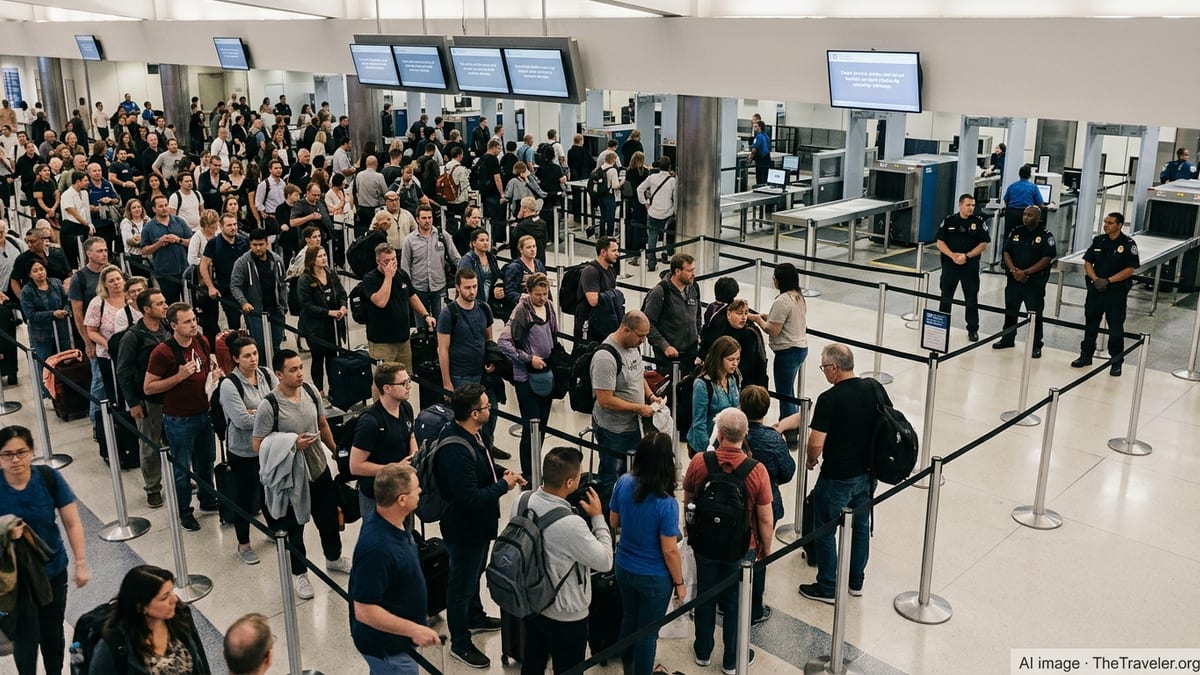
Travelers moving through Vancouver International Airport on June 25 faced a fresh wave of disruption as a cluster of cancellations and rolling delays involving Air Canada, Pacific Coastal Airlines and WestJet Encore affected at least seven departures and arrivals, snarling schedules on major routes to Campbell River, Chicago, Calgary, Zurich, Auckland and several other destinations.
Get the latest news straight to your inbox!
Cluster of Cancellations Hits Key Domestic and International Routes
Publicly available flight tracking data and recent operational summaries indicate that Vancouver International Airport has experienced a fresh round of flight disruptions, with several services involving Air Canada, Pacific Coastal Airlines and WestJet’s regional affiliate WestJet Encore withdrawn from schedules or significantly delayed. While overall airport operations remain active, a small but impactful group of flights was either suspended or heavily retimed, creating knock-on delays for travelers connecting through one of Canada’s busiest hubs.
Among the most visible gaps in the timetable are long-haul services linking Vancouver to major international gateways. Air Canada’s nonstop connection between Vancouver and Auckland has not been operating on its usual pattern, with recent schedules showing the flight absent on certain days, including June 25. Similarly, transatlantic rotations linking Vancouver with Zurich have seen timetable adjustments and day-of-operation changes, leaving some passengers rebooked through alternative hubs in Canada or the United States.
On the domestic side, regional connectivity has faced additional strain. WestJet Encore’s expanding network from Vancouver and Calgary into smaller communities, including the recently launched link to Campbell River, has been subject to selective cancellations and frequency changes. Industry scheduling data shows that the new Campbell River connection, along with other short-haul links, has not operated every day as originally projected, with up to several round trips in a single week removed from the operating plan.
These tactical suspensions, when combined, amount to at least seven individual flight legs scrubbed from recent schedules on routes touching Vancouver, according to aggregated timetable and route information. Although modest in number compared with total daily movements, the lost capacity has a disproportionate impact on passengers relying on thin regional routes or single daily long-haul departures.
Regional Links to Campbell River and Western Canada Under Pressure
The Vancouver to Campbell River corridor illustrates how even a limited number of cancellations can ripple through local travel plans. Campbell River, located on the east coast of Vancouver Island, relies heavily on feeder flights connecting through Vancouver and Calgary for business, medical travel and tourism. Schedule data for WestJet Encore’s newer Campbell River services shows that certain rotations, including flights between Calgary and Campbell River, have not operated on multiple recent days, leaving long gaps between available departures.
These pressures have emerged alongside broader adjustments in Western Canada’s regional market. Pacific Coastal Airlines, which has historically connected Vancouver with a web of smaller communities along the British Columbia coast and interior, has been reshaping its schedule following the wind-down of the separate WestJet Link brand. Public route histories show that Pacific Coastal once operated select capacity for WestJet-branded services but is now consolidating operations under its own name while WestJet Encore absorbs former Link markets.
For travelers, the practical result is a more fragile network on secondary routes out of Vancouver. When a small turboprop sector is suspended, there is often no immediate same-day alternative, particularly for communities that depend on a single carrier. Passengers booked through to or from Campbell River have reported longer waits between flights, forced overnights in Vancouver or Calgary, and rerouting via other Island airports when space allows.
Even at larger regional centers in British Columbia and Alberta, the combination of constrained aircraft availability, pilot staffing challenges and shifting demand patterns has left schedules vulnerable. Earlier seasonal disruption linked to weather in Calgary, combined with past operational strains at Vancouver, helped set the stage for the latest cluster of cancellations and delays to quickly affect passengers across Western Canada.
International Connections to Chicago, Zurich and Auckland Affected
Vancouver’s role as a transpacific and transcontinental gateway has amplified the effect of individual route suspensions. On the North American side, United’s Vancouver to Chicago service has remained in the schedules, but day-of-operation adjustments and rolling delays have complicated onward connections for travelers using Chicago as a hub for the U.S. Midwest and East Coast. When coupled with domestic irregularities, even a relatively small delay on a Vancouver–Chicago departure can result in missed onward flights for connecting passengers.
Across the Atlantic, timetable changes on flights linking Vancouver with Zurich have forced some travelers to reroute via Montreal, Toronto or U.S. gateways. While the Zurich service is typically less frequent than transborder routes, each missed or canceled rotation affects hundreds of passengers, many of whom plan tight connections to European and Middle Eastern destinations. Airline schedule databases show a pattern of trimmed frequencies and occasional gaps, particularly in shoulder seasons.
Toward the South Pacific, Air Canada’s nonstop between Vancouver and Auckland has been one of the most closely watched routes in the current disruption cycle. On certain days, including June 25, recent data shows the flight absent from the operating schedule, with passengers being accommodated on alternative routings, often via other Canadian cities or alliance partners. The long sector length, coupled with the limited number of nonstops between Western Canada and New Zealand, means that the suspension of even a single flight leg can cascade into multi-day itinerary changes for affected travelers.
These international adjustments underline how a cluster of seven suspended legs and associated delays can stretch far beyond the immediate Vancouver terminal. Travelers heading to or from Chicago, Zurich, Auckland and other long-haul destinations often rely on finely tuned connection windows. When those windows shift or disappear, rebooking options may involve substantial detours, additional overnight stays and the loss of prepaid arrangements downline.
Underlying Causes: Capacity Constraints, Weather and Cost Pressures
While each cancellation has its own operational reason, several broader themes are emerging in how airlines serving Vancouver manage their networks. Reports from industry analysts and passenger-rights organizations point to lingering capacity constraints, especially among regional carriers and affiliates relying on turboprop fleets and smaller crews. WestJet Encore, for example, has previously navigated staffing challenges and an evolving fleet plan as it absorbs routes that were once flown under the discontinued WestJet Link brand.
Weather has also played a recurring role in Western Canada’s aviation reliability. Past storms in Calgary and operational slowdowns at Vancouver have periodically triggered ground stops, diversions and extended delays, forcing carriers to reposition aircraft and crews and to thin their schedules in subsequent weeks. When aircraft and staff are out of place, airlines often opt to cancel low-frequency or lower-demand services first, which often include regional routes such as Campbell River and selected long-haul flights that lack same-day backup.
At the same time, cost pressures are reshaping network strategies. Recent coverage of Air Canada’s route decisions has highlighted the impact of jet fuel prices and evolving demand on thinner international and transborder services. The carrier has already announced temporary suspensions on multiple U.S. routes that it no longer views as economically sustainable in the short term. Similar considerations can influence whether a long-haul sector from Vancouver, such as a Zurich or Auckland flight, operates daily, seasonally or only on selected days of the week.
For Pacific Coastal Airlines and other regional operators, rising costs of maintenance, staffing and airport operations make it more difficult to maintain high-frequency schedules on low-yield routes. In this environment, even modest dips in demand or a spike in operating expenses can prompt tactical cancellations, particularly outside peak holiday periods, which in turn compound the sense of fragility for travelers relying on those links.
Implications for Passengers Using Vancouver as a Hub
The latest disruptions at Vancouver International Airport highlight the importance for travelers of treating connection times and route choices cautiously, especially on complex itineraries touching smaller communities and long-haul destinations. With at least seven flights involving Air Canada, Pacific Coastal Airlines and WestJet Encore removed from recent schedules or heavily delayed, passengers using Vancouver as a hub face increased risk of missed connections and overnight delays.
Industry advisories and consumer advocates increasingly recommend that travelers build longer layovers into itineraries that combine regional turboprop segments with single-daily long-haul flights. For example, a traveler flying Campbell River to Vancouver before continuing to Chicago, Zurich or Auckland may benefit from scheduling a wider buffer than the minimum connection time, given the heightened probability of short-notice schedule changes on regional legs.
Publicly available data from recent months also suggest that travelers should closely monitor their bookings in the days leading up to departure. Airlines have been adjusting schedules well in advance on some routes, but day-before and same-day changes remain common, particularly in Western Canada during shoulder seasons and periods of unsettled weather. Proactive monitoring can provide earlier notice of cancellations, increasing the chances of securing acceptable rebooking options.
For Vancouver International Airport itself, the current pattern of targeted cancellations and rolling delays underlines the challenge of balancing capacity, resilience and growth at a major Pacific gateway. While the overall scale of disruption remains far below that seen during past major weather or labor events, the impact on travelers to and from Campbell River, Chicago, Calgary, Zurich, Auckland and other affected destinations shows how even a small cluster of suspended flights can create outsized headaches when networks are already running close to their limits.