


More news on this day
Hundreds of travelers were left stranded on Thursday as widespread disruption rippled across Edinburgh, London Heathrow, London Gatwick and Newcastle airports, with 732 flights reported delayed and 40 canceled, affecting operations for British Airways, easyJet, Ryanair, Loganair, Jet2, Emirates, Lufthansa, KLM and several other carriers.
Get the latest news straight to your inbox!
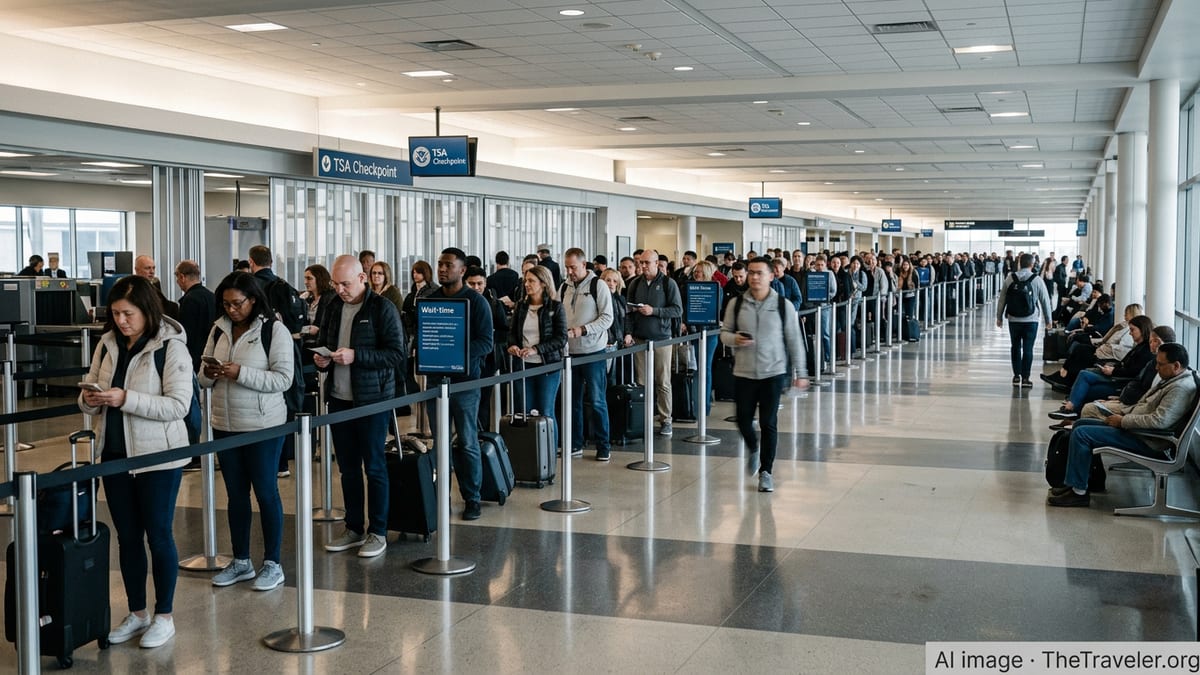
Delays Mount Across Key UK Hubs
Operational data compiled from real-time flight tracking platforms and industry monitoring services on June 25 indicate a sharp spike in disruption across major UK airports. A combined 732 delayed departures and arrivals and at least 40 cancellations were logged through the day at Edinburgh, Heathrow, Gatwick and Newcastle, affecting both domestic and international routes.
The pattern mirrors a broader trend of mounting congestion and fragile scheduling in UK and European airspace during the peak summer travel period. Heathrow and Gatwick, two of Europe’s busiest hubs, are particularly sensitive to even minor upstream delays, which can quickly cascade into knock-on effects across entire daily rotations.
At Edinburgh, reports highlight a persistent issue with timetable reliability, with more than half of flights in peak months typically leaving later than scheduled. On Thursday, that underlying fragility combined with wider network pressures to create long queues, extended waits at departure gates and missed onward connections for travelers heading to European city breaks and long haul destinations.
Newcastle, although a smaller operation than the London hubs, also saw its schedule heavily affected, with passengers on both short haul and long haul services encountering repeated departure time revisions and, in some cases, outright flight cancellations.
Airlines From Flag Carriers to Low Cost Operators Hit
The disruption cut across the full spectrum of airlines serving the four airports. Legacy carriers such as British Airways, Emirates, Lufthansa and KLM saw delays and cancellations stack up on key trunk routes, while low cost operators including easyJet, Ryanair and Jet2 also reported significant schedule slippage.
Publicly available flight boards and aviation data showed services to and from major European hubs such as Amsterdam, Frankfurt and Paris among those most affected, amplifying the impact for travelers who relied on these connections to reach further flung destinations in North America, the Middle East and Asia.
Regional operator Loganair, which links Scottish and northern English cities to Heathrow and other UK airports, also faced interruptions. Even modest delays on these feeder services can have outsized consequences when passengers are booked onto tightly timed onward long haul departures.
In several cases, aircraft and crew assigned to later flights remained out of position as the day wore on, forcing additional schedule changes and creating long queues at service desks as passengers sought rebooking options or overnight accommodation.
Weather, Capacity Strain and Earlier Disruptions Converge
The latest wave of disruption appears to reflect a combination of weather instability, tight airport capacity and a build up of earlier delays across Europe’s aviation network. Recent days have seen intermittent poor weather at UK and continental hubs, including low visibility and showers that required adjustments to takeoff and landing rates.
Industry analyses published in June have pointed to sustained pressure on European air traffic control capacity, with restrictions and holding patterns becoming more frequent at peak times. That environment leaves little margin for recovery when an airport’s schedule starts to slip, particularly at busy hubs such as Heathrow and Gatwick, where runway slots are heavily constrained.
Data from previous weeks also shows that some UK airports, including Edinburgh and Gatwick, have recorded among the highest proportions of delayed departures in the country during summer months. Thursday’s figures fit into that broader pattern of stretched infrastructure struggling to cope with rising passenger volumes and dense flight programs.
Earlier episodes of regional disruption in June, including severe delay clusters across multiple European countries, have further illustrated how quickly congestion in one part of the network can trigger widespread knock-on effects, especially for airlines operating complex connecting itineraries.
Impact on Passengers and Routes
The operational problems translated into a difficult day for travelers across the affected airports. Many passengers reported extended time spent in terminals as departure estimates were repeatedly revised, while others faced missed connections and last minute rerouting through alternative hubs.
Services linking the UK to major transatlantic gateways, including flights that typically feed into networks for North American cities, encountered disruption as aircraft destined for Heathrow and Gatwick fell behind schedule. Connections to European holiday destinations also suffered, with evening departures pushed back or replaced with early morning alternatives where capacity allowed.
At Edinburgh and Newcastle, where a significant share of traffic is outbound leisure and visiting friends and relatives, the delays forced some travelers to reorganize ground transport and accommodation plans at short notice. For others, cancellations meant overnight stays near airports or lengthy coach and rail journeys to reach different departure points.
While some airlines were able to consolidate passengers onto later services or reroute them via partner carriers, seat availability on peak-season departures remained tight, raising the prospect of multi day disruptions for those booked on the most heavily affected routes.
What Travelers Can Do If Their Flight Is Affected
Consumer rights specialists note that travelers caught up in delays and cancellations should carefully check the terms of their booking and the relevant passenger rights frameworks that apply to their journey. Under UK and European regulations, compensation and care provisions may be available in certain circumstances, depending on the length of the delay, the cause of the disruption and the distance of the flight.
Passengers are generally advised to keep boarding passes and booking confirmations, as well as receipts for meals, hotels and additional ground transport incurred while waiting for rebooked services. These documents can be important when submitting claims directly to airlines or through third party compensation services.
Industry guidance also emphasizes the importance of monitoring flight status through official airline channels and airport departure boards, particularly on days when there are signs of systemic disruption across multiple hubs. Early awareness of a likely delay can provide more time to explore alternative connections or adjust ground transport arrangements.
With forecasts pointing to sustained high demand and ongoing capacity constraints across European airspace through the summer, analysts suggest that travelers planning trips via Edinburgh, Heathrow, Gatwick and Newcastle should factor in potential disruption when constructing itineraries, allowing longer connection windows and considering flexible booking options where possible.