

More news on this day
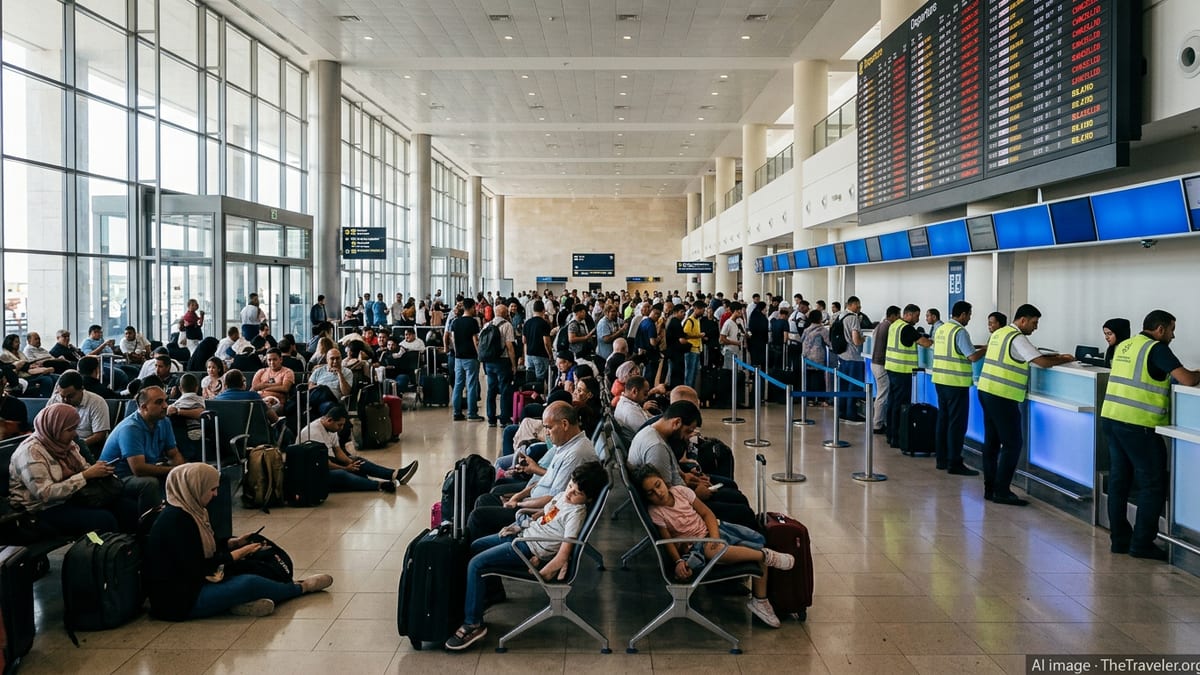
Numerous flight cancellations at Lanzhou Zhongchuan International Airport in northwest China have reportedly left hundreds of passengers stranded, disrupting regional travel and raising fresh questions about how well the country’s aviation system copes with sudden operational shocks.
Get the latest news straight to your inbox!
What Is Happening at Lanzhou Zhongchuan Airport
Published coverage and real time aviation data indicate that a wave of flight cancellations and disruptions has affected operations at Lanzhou Zhongchuan International Airport, the main air hub for Gansu province. While exact tallies vary by reporting period, industry tracking platforms and Chinese language media describe clusters of same day cancellations concentrated on key domestic routes, leaving aircraft out of position and passengers waiting in crowded terminals.
The pattern at Lanzhou appears consistent with broader volatility across China’s domestic aviation network in recent months, where airlines have periodically pulled services or reshuffled capacity with little advance notice. Reports on other Chinese hubs have documented days when dozens, and in some cases more than one hundred, flights were canceled in a short window, with knock on effects spreading to secondary airports such as Lanzhou.
Publicly available airport statistics underscore how disruptive such interruptions can be. Lanzhou Zhongchuan handled more than 17 million passengers in a recent pre disruption year, making it a critical node for business and family travel across northwest China. Even a temporary reduction in departures strands large numbers of travelers and quickly overwhelms customer service desks, especially during peak periods.
Although precise causes for the latest cancellations at Lanzhou have not been fully detailed in open sources, similar events at other Chinese airports have been linked to a mix of adverse weather, traffic control restrictions, aircraft rotation challenges and airline schedule adjustments. These factors typically interact rather than acting in isolation, making it difficult for passengers to trace any single trigger for the disruption they experience on the day.
Routes and Airlines Most Affected
Domestic trunk routes appear to be bearing the brunt of the cancellations linked to Lanzhou Zhongchuan. The airport serves as a key connector between northwest China and coastal cities, with regular services to Beijing, Shanghai, Guangzhou, Shenzhen, Hangzhou, Xiamen and other major hubs. When clusters of departures on these routes are canceled, travelers lose access to onward connections across the country and abroad.
Flight tracking platforms show that Lanzhou’s Terminal 3 hosts services by major Chinese carriers including Air China, China Eastern, China Southern and several private or regional airlines. On days marked by heavy disruption, multiple departures scheduled within a similar time band are removed from the board, and some carriers consolidate passengers onto later flights while others rely on rebooking onto different routes.
Regional connections to cities such as Xining, Yinchuan and Urumqi are particularly vulnerable when Lanzhou experiences operational stress. Yinchuan Hedong Airport is designated as an important alternate for Lanzhou, and available information suggests that diversions and re routings between these airports have been used in past disruption events to keep some passengers moving, even as others remain stuck landside awaiting clarity about their options.
For travelers, the practical impact is less about the exact list of canceled flight numbers and more about missed onward connections and time sensitive trips. Passengers scheduled to transit through Beijing or Shanghai for international departures, or to reach remote work sites and smaller cities, are at heightened risk of being stranded overnight when an initial domestic leg out of Lanzhou is removed from the schedule at short notice.
How Airlines and the Airport Are Managing Stranded Passengers
Accounts from similar disruption days across China indicate that airlines typically respond with a mix of rebooking, refunds and limited assistance with meals or basic amenities. Publicly available guidance from Chinese carriers states that if cancellations result from factors such as weather, air traffic control or other circumstances viewed as outside the airline’s direct control, the airline will help arrange accommodation and transport but passengers are usually responsible for associated costs.
When cancellations are attributed to reasons within the airline’s control, such as aircraft maintenance or crew scheduling, carriers may provide hotel rooms, meal vouchers or transport to and from nearby accommodations. However, implementation can vary by airline and by local conditions, and passengers at Lanzhou Zhongchuan can expect long queues at ticketing and customer service desks while staff work through rebooking options on already crowded alternative flights.
Aviation industry research focusing on Lanzhou Zhongchuan has highlighted persistent dissatisfaction among passengers with the handling of delays and cancellations, emphasizing the need for clearer communication and more proactive service. Travelers frequently report difficulty obtaining timely updates about the status of their flights, as well as inconsistent information between airline apps, departure boards and third party tracking tools.
Airport facilities and staffing levels also come under pressure when large numbers of passengers are stranded for extended periods. Seating areas, food outlets and power outlets quickly fill up, and families with young children or elderly travelers often struggle to find a quiet or comfortable space. Public reports from other Chinese hubs show that in extreme cases, frustration can spill over into confrontations at service counters, further slowing efforts to resolve outstanding cases.
What Passengers Need to Know About Their Rights
China’s civil aviation regulations set a general framework for how airlines should respond to cancellations and long delays, though the rules differ from those in regions such as the European Union and are less focused on standardized cash compensation. Publicly available regulatory summaries indicate that carriers are expected to provide rebooking or refunds when flights are canceled, and to offer assistance such as meals or accommodation depending on the length and cause of the disruption.
In practice, passengers affected at Lanzhou Zhongchuan are generally offered three main options. First, rebooking on the next available flight on the same route, which can be challenging during peak travel periods when seats are scarce. Second, re routing through a different city to reach the final destination, sometimes involving an overnight connection. Third, a full refund of the unused segment, leaving travelers to make their own alternative arrangements by rail or with another airline.
Travelers should be aware that additional expenses such as hotels, ground transport and missed tour bookings are not automatically reimbursed, especially when the disruption is tied to weather or air traffic control. Some passengers may be able to recover these costs under comprehensive travel insurance policies, which often include benefits for trip interruption and delay, but coverage terms vary widely.
Passengers stranded at Lanzhou are encouraged by consumer advocates and travel industry advisors to document all communications with airlines, keep receipts for incidental expenses and monitor both airline channels and independent flight tracking services. This documentation can be important for later claims with insurers or, in some cases, for seeking redress through airline customer service channels after the immediate travel crisis has passed.
Practical Advice for Travelers Using Lanzhou Zhongchuan Now
For travelers planning to depart from or connect through Lanzhou Zhongchuan in the coming days, a cautious and proactive approach is advisable. Travel industry guidance suggests checking the status of flights repeatedly in the 24 hours before departure, using both airline apps and independent tracking platforms, and considering flexible tickets where possible.
Arriving early at the airport remains important, but given the risk of short notice schedule changes, passengers may wish to complete online check in before setting out and verify that their flight is still planned to operate. Those with nonrefundable hotel bookings or tours at their destination should review cancellation policies and, if necessary, contact providers preemptively to discuss options should they arrive late.
Travelers with critical time sensitive commitments, such as international connections or business meetings, may want to evaluate alternative routings that avoid tight same day connections through major hubs. In some cases, using high speed rail for part of the journey to or from Lanzhou can provide added resilience if domestic air schedules remain volatile.
Finally, passengers who do find themselves stranded at Lanzhou Zhongchuan are advised to prioritize securing a confirmed onward booking or refund before leaving the airport, to keep all documentation of the disruption and to explore support from travel insurers where available. While the latest wave of cancellations underscores the vulnerability of air travel schedules, informed planning and assertive follow up can help limit the financial and logistical fallout for affected travelers.