

More news on this day
South African Airways’ flagship domestic corridor between Johannesburg and Cape Town is coming under renewed scrutiny as a powerful storm system batters parts of South Africa, with recent weather disruption and a widely discussed diversion incident sharpening attention on how flights along the busy route will be managed in the coming days.
Get the latest news straight to your inbox!
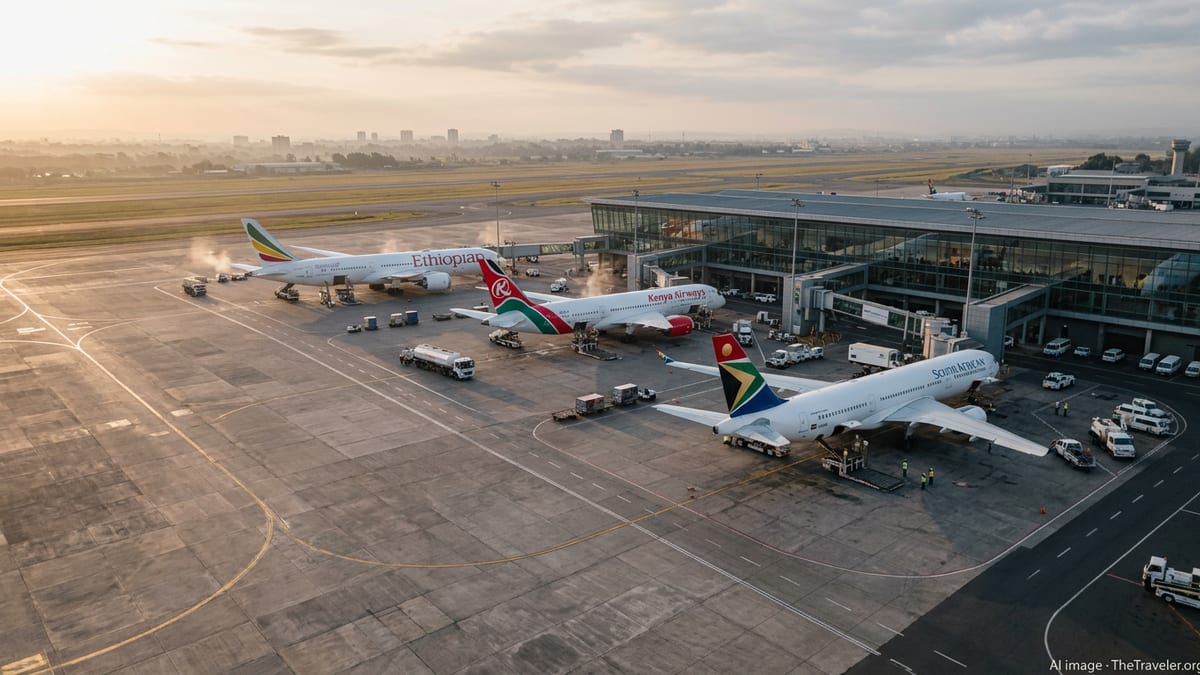
Powerful cut-off low puts Western Cape aviation on alert
An intense cut-off low pressure system that stalled over South Africa in early May brought exceptional rainfall and winds to the Western and Eastern Cape, prompting high-impact weather warnings and a national disaster declaration. Meteorologists describe the event as one of the most severe storm systems to hit the region in recent years, with disruptive rain, flooding and strong crosswinds reported across multiple provinces.
The Western Cape provincial government has activated disaster preparedness measures and warned that further waves of severe weather could accompany the broader system as it lingers over southern Africa. Aviation analysts note that Cape Town International Airport, situated close to the coast and exposed to Atlantic cold fronts, is particularly sensitive to such conditions, which can quickly reduce visibility and create challenging wind patterns on approach and departure.
As the latest storm cells move through, publicly available flight-tracking data still shows South African Airways operating its scheduled Johannesburg to Cape Town services, alongside other major domestic carriers. However, the scale and volatility of the weather system mean that operational plans are being reassessed on a rolling basis, and individual flights may be adjusted at short notice.
Recent diversion incident intensifies scrutiny of SAA’s storm planning
Concerns around weather-related risk on the Johannesburg–Cape Town corridor have been amplified by reporting on a recent South African Airways service that diverted away from Cape Town during a violent storm. Coverage in South African media describes an Airbus narrow-body aircraft abandoning its approach after a windshear alert, and subsequently diverting twice before landing safely at an alternate airport.
Commentary from pilots and aviation observers circulating in the public domain suggests that the aircraft was operating within regulatory fuel requirements but came under pressure as diversions and holding patterns extended flight time in severe conditions. While the flight landed without incident, the episode has triggered renewed public debate over storm-season fuel planning, choice of alternates and the thresholds used by airlines when deciding whether to continue toward a storm-affected airport.
South African Airways has indicated in public statements quoted by local outlets that its operations into Cape Town on the storm-affected day were impacted in line with other carriers using the airport. Industry specialists point out that in such scenarios, runway capacity can be restricted, approach procedures tightened and holding requirements lengthened, all of which can prompt diversions or cancellations even when aircraft are technically capable of operating in high winds.
Johannesburg–Cape Town: South Africa’s busiest domestic air link
The Johannesburg–Cape Town sector is widely regarded as South Africa’s highest-volume domestic route, with estimates from industry data services indicating more than one hundred daily flights shared between South African Airways, FlySafair, Airlink, CemAir, Lift and others. For SAA, the corridor functions as a core trunk route connecting its primary hub at OR Tambo International Airport with its secondary base in Cape Town.
South African Airways’ published schedules and timetables show multiple daily rotations between the two cities, typically operated by Airbus A320-family aircraft. The route’s importance means that even modest disruptions can cascade across the wider network, with aircraft and crews tightly scheduled to feed onward regional and domestic services.
In periods of extreme weather, airlines often have to balance the commercial imperative of maintaining frequencies with the operational need to absorb delays and reroute aircraft. Analysts following the South African market note that when Cape Town experiences storms of the magnitude seen in early May, carriers sometimes consolidate off-peak services, retime flights into more favourable weather windows or shift capacity to less affected routes.
What passengers on SAA’s JNB–CPT flights should expect
For travellers booked on South African Airways services between Johannesburg and Cape Town over the coming days, the primary message from aviation and meteorological guidance is to prepare for potential disruption, even if most flights continue to operate. Periods of heavy rain, low cloud and strong crosswinds can force air traffic control to increase spacing between arrivals, which in turn produces knock-on delays throughout the day.
According to publicly available information from airport and airline operations, passengers on this corridor should anticipate changes to departure or arrival times at relatively short notice, as well as the possibility of extended holding, diversions to alternate airports or last-minute cancellations when safety margins are affected. Travel experts recommend building extra connection time into itineraries, particularly for those linking to international long-haul departures from Johannesburg.
Published coverage of recent storms underscores that conditions can vary rapidly within a single day, with windows of acceptable flying weather alternating with brief periods where approaches are curtailed due to windshear or visibility concerns. South African Airways and other carriers typically adjust their operations flight by flight, using updated forecasts and real-time radar data, rather than issuing broad advance cancellations.
Practical steps for managing storm-related disruption
Passenger advocates and travel-industry specialists suggest several practical steps for those flying the Johannesburg–Cape Town route while the storm system remains active. The first is to monitor airline communications closely, using booking reference numbers to check the current status of individual flights in the hours before departure. Many carriers on the route, including SAA, enable customers to opt in to short-message or email alerts when schedules change.
Second, travellers are urged to arrive at the airport earlier than usual, as bad weather can slow road traffic, lengthen check-in and security queues, and compress boarding windows when operational gaps open briefly between storm cells. Packing essential medication, chargers and a change of clothes in cabin baggage can also help if an unexpected overnight delay or diversion occurs.
Finally, passengers are encouraged to review the fare conditions of their South African Airways tickets in advance, particularly regarding same-day changes and refund eligibility during periods of operational disruption. Consumer guidance from aviation regulators and industry groups notes that while weather-related delays are often treated differently from airline-caused cancellations, carriers commonly offer rebooking options when storms severely impact an airport.