


More news on this day
Severe operational disruptions at Sanya Phoenix International Airport are rippling across China’s already fragile aviation network, as rolling flight cancellations and delays compound wider travel chaos for domestic and international passengers.
Get the latest news straight to your inbox!
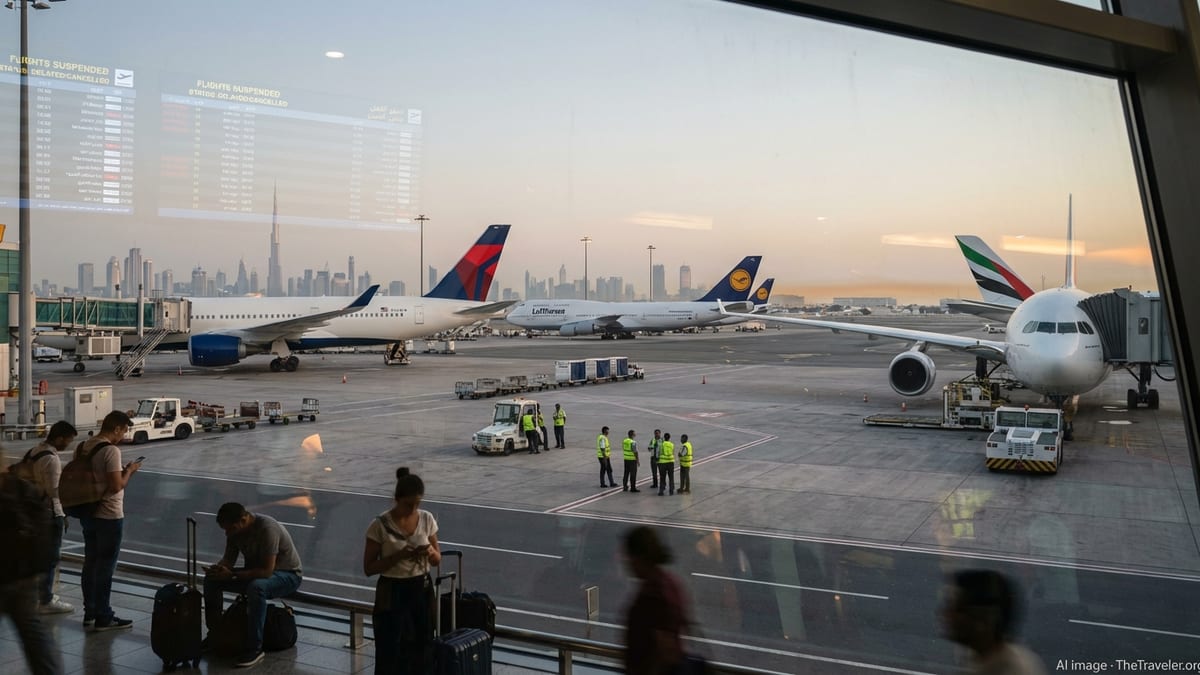
A Strained Hub at the Heart of China’s Tropical Tourism Boom
Sanya Phoenix International Airport serves the resort city of Sanya on Hainan Island, one of China’s most popular coastal holiday destinations. Recent years have brought a rapid rebound in visitor numbers, driven by relaxed entry rules for some markets and the island’s positioning as a duty free and beach getaway alternative to overseas travel. Published information shows that the airport has been adding new routes, including fresh links to Russian cities, in an effort to capture rising demand from leisure travelers.
That growth has left the airport highly exposed when conditions deteriorate. Past weather events have demonstrated the vulnerability of Sanya’s air links, with previous typhoons forcing mass cancellations and temporary shutdowns of flight operations. When schedules are running near capacity, even short suspensions can quickly spill over into a backlog of stranded passengers, grounded aircraft and missed connections on the mainland.
Recent notices referring to infrastructure upgrades and terminal adjustments at Sanya Phoenix Airport indicate that the hub is in the midst of operational changes at the same time that airlines are contending with wider network pressures. This combination increases the risk that any disruption at Sanya can spread rapidly through connecting cities across China.
Travel reporting from China’s major airports in April and May points to a fragile balance between soaring seasonal demand and limited operational flexibility, making coastal leisure hubs like Sanya particularly susceptible to cascading disruption.
From Local Turbulence to Nationwide Flight Cancellations
What begins as a localized disruption at a tourism gateway can quickly evolve into a national aviation issue. When Sanya experiences heavy schedule changes, aircraft and crew that should be cycling through other cities are delayed or stranded, feeding into a domino effect across the country’s dense domestic network.
Recent coverage of China’s aviation sector highlights repeated waves of cancellations and delays at key hubs such as Beijing, Shanghai, Guangzhou, Shenzhen and Xi’an, sometimes numbering in the hundreds in a single day. These disruptions have been linked to a mix of adverse weather, airspace constraints, surging post pandemic demand and cost pressures. In this context, instability at Sanya Phoenix Airport adds another stress point to a system already struggling to absorb shocks.
Airlines serving Hainan, including major national and regional carriers, have been adjusting schedules as conditions change, often with limited advance notice for passengers. Publicly available travel data and media analysis indicate that cancellations are no longer confined to isolated storms or peak holiday weekends but appear in rolling clusters that can affect multiple cities simultaneously.
As flight rotations are altered or cut, knock on effects reach secondary and tertiary airports far from Sanya. Passengers traveling on multi segment itineraries via major hubs may arrive to find onward legs cancelled, with rebooking options constrained by aircraft shortages and already full alternative services.
Passengers Confront Long Delays, Uncertain Information and Overstretched Facilities
For travelers on the ground, the result is often a confusing and stressful experience. Reports from Chinese and international travel outlets describe passengers at various airports facing long queues at service counters, limited seating in departure halls and conflicting information from different channels about whether flights are operating.
At Sanya Phoenix Airport, disruption can be particularly challenging for holidaymakers nearing the end of beach or resort stays. Many travelers plan tight itineraries that connect from Hainan to business hubs on the mainland or to international departures from cities such as Shanghai and Guangzhou. When outbound flights from Sanya are cancelled or significantly delayed, those downstream plans can unravel in a matter of hours.
Nationwide, the pattern has been similar. Recent aviation reports highlight days when several hundred flights across China were cancelled or delayed, leaving crowds to wait for rebooking, vouchers or refunds. Social media posts and travel forum discussions have emphasized the difficulty of reaching airline hotlines, as call centers struggle with sudden surges in demand during disruption peaks.
Overstretched airport facilities compound the strain. Terminals designed for smooth, high throughput operations quickly become congested when large numbers of passengers are forced to remain landside or in gate areas for extended periods. In leisure focused hubs such as Sanya, where many travelers are families or tour groups, disruption can place additional stress on limited accommodation and ground transport capacity in the surrounding city.
Signals of Deeper Structural Pressures in China’s Aviation Recovery
The current turbulence surrounding Sanya Phoenix Airport is also a window into the broader challenges facing China’s aviation recovery. Industry coverage points to a mismatch between rapidly rebounding demand and the pace at which airlines can restore or reconfigure capacity, especially on routes linking tourist destinations with major economic centers.
Analysts note that carriers have had to juggle fluctuating fuel prices, evolving airspace restrictions and a complex regulatory environment while trying to rebuild international and domestic connectivity. In some cases, airlines have quietly trimmed schedules, reduced frequencies or consolidated routes, which can leave little margin when unexpected events hit airports like Sanya.
Infrastructure projects and terminal upgrades underway at several Chinese airports, including facilities serving Hainan, are designed to smooth operations and expand capacity over the longer term. In the short term, however, construction and layout changes can introduce new bottlenecks, from relocated check in areas to limited gate availability during phased works.
Observers of the Chinese travel market suggest that these structural pressures are unlikely to resolve immediately. Instead, periods of relatively smooth operations may be punctuated by spikes of acute disruption, especially around public holidays, typhoon season and major tourism promotions linked to duty free and resort campaigns in Hainan.
How Travelers Can Navigate an Unstable Flight Environment
For passengers planning trips through Sanya Phoenix Airport and other Chinese hubs, recent events underline the importance of proactive preparation. Travel advisories and aviation focused publications increasingly recommend monitoring flights on multiple platforms, including airline apps and independent tracking services, to cross check status before heading to the airport.
Travel experts also emphasize the value of building time buffers into itineraries. This is particularly relevant for travelers using Sanya as the starting point for long haul journeys, where a missed connection on the mainland can mean a full day or more of delay. Allowing several hours between domestic and international segments can create more options if disruptions occur.
Flexible booking policies, travel insurance with clear coverage for delays and cancellations, and an understanding of airline refund and rebooking rules can help mitigate financial risk. Published guidance from consumer advocates notes that passengers should keep detailed records of boarding passes, receipts and written notifications from airlines to support any future claims.
As China’s aviation sector moves through a volatile recovery phase, Sanya Phoenix International Airport remains both a symbol of the country’s tourism ambitions and a flashpoint when conditions deteriorate. Travelers are being urged by publicly available advisories and reports to remain vigilant, informed and flexible as the situation continues to evolve across Hainan and the wider Chinese air network.