


More news on this day
Asian air travel is again under strain as hundreds of flights are cancelled and thousands more delayed across major hubs including Bangkok, Dubai, Singapore and Beijing, disrupting schedules on Thai Airways, Emirates, Singapore Airlines, Air China and a wide range of regional carriers.
Get the latest news straight to your inbox!
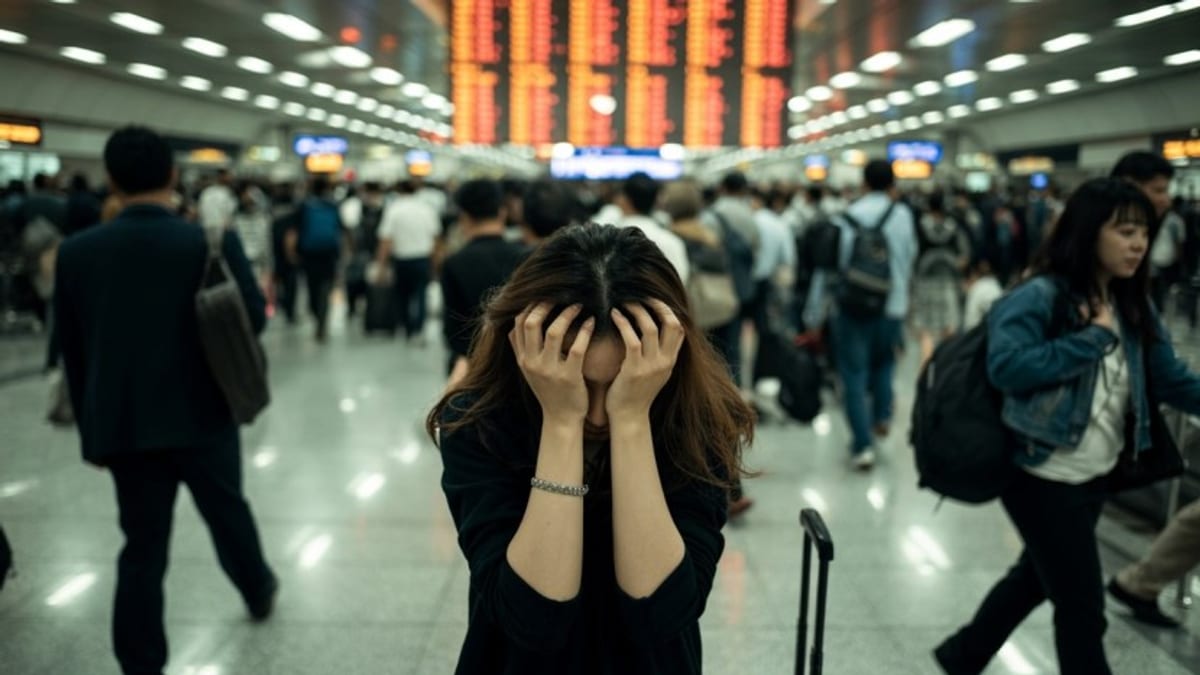
Fresh Wave of Disruptions Hits Major Asian Hubs
Publicly available operational data and recent coverage indicate that more than 300 flights have been cancelled and well over 3,000 delayed in recent days across Asia, with particularly heavy disruption reported at Bangkok, Singapore, Dubai and Beijing. Aggregated figures cited by several travel and aviation trackers point to around 335 cancellations and about 3,600 delays affecting departures and arrivals, underscoring how fragile regional schedules remain in early June 2026.
The pattern echoes a similar spike reported on June 2, when analysis of airport and airline performance showed 139 cancellations and 2,880 delays concentrated in Thailand, Japan, Singapore, Malaysia, China and Indonesia. Subsequent tallies compiled by travel outlets for June 5 highlighted another severe day, with more than 4,700 delays and over 250 cancellations across key Asian and nearby hubs, reinforcing the sense of rolling, rather than isolated, disruption.
Bangkok’s Suvarnabhumi Airport, one of the primary gateways for Southeast Asia, has seen a mix of outright cancellations and rolling delays on regional services, including to and from China and India. Live departure and arrival boards show individual flights from Shanghai and other Chinese cities marked as cancelled or significantly late, while services to major Indian metros are frequently rescheduled or retimed.
In Singapore, data collated from Changi Airport schedules suggests several hundred flights operating daily with a meaningful share experiencing late departures. At the same time, flight-monitoring outlets report elevated delay levels on services touching Singapore, Tokyo, Hong Kong, Delhi, Dubai and Istanbul, painting a picture of a network under sustained pressure.
Flag Carriers and Gulf Giants Among the Most Affected
The latest round of disruption is hitting both regional and long haul operators. Thai Airways, which has already been trimming its schedule in response to high fuel costs and softer low-season demand, continues to cancel or cut frequencies on multiple Asian routes. Recent notices show Bangkok–New Delhi flights on the TG335 rotation removed from the timetable for the full month of June, while selected services to Sapporo, Taipei, Hong Kong, Incheon and Beijing have also been withdrawn or consolidated.
Middle Eastern network carriers that funnel large volumes of Asia–Europe and Asia–Africa traffic are also under pressure. Published tallies for early June list Emirates and other Gulf airlines among the carriers with notable numbers of delayed or cancelled flights touching Dubai and other regional hubs, contributing to knock-on disruption for passengers connecting between Asia and onward long haul destinations.
In North Asia, Air China appears prominently in disruption tables compiled by travel news outlets, with hundreds of delayed flights and several dozen cancellations logged over recent days. These operational challenges coincide with anecdotal reports from passengers flying between Beijing, secondary Chinese cities and Southeast Asia who describe multiple rebookings and schedule changes as airlines adjust capacity.
Singapore Airlines and its low-cost arm Scoot have largely focused on restoring and expanding networks in 2026, including additional capacity to mainland China and Japan. However, they are not immune from regional volatility; publicly tracked performance metrics for services into and out of Changi show delayed departures on a portion of flights during peak disruption days, adding to congestion in the wider Southeast Asian air corridor.
Fuel Costs, Geopolitics and Seasonal Patterns Drive Instability
Industry analyses from regional regulators and aviation publications point to a combination of structural and short term factors behind the latest wave of cancellations and delays. Elevated jet fuel prices linked to ongoing conflict in the Middle East continue to squeeze airline margins, with some Thai carriers indicating that fuel has climbed from roughly 30 percent to more than half of operating costs. In response, airlines have been selectively cancelling less profitable frequencies and thinning schedules on low-season routes.
Geopolitical tensions and associated airspace restrictions across parts of the Middle East and surrounding regions are also altering flight paths and adding complexity to operations. Long haul services connecting Asia with Europe frequently require rerouting, which can extend flying times, compress aircraft utilisation and reduce slack in the timetable, making networks more vulnerable to knock-on delays when problems arise.
At the same time, the traditional shoulder season for tourism in parts of Southeast and East Asia is prompting capacity recalibration. Some carriers, including low cost and full service airlines based in India and Southeast Asia, have recently announced temporary suspensions or reductions on select routes to destinations such as Langkawi, Krabi, Ho Chi Minh City, Hong Kong, Shanghai and Singapore, citing softer demand and the need to optimise fleets.
These strategic cuts, while planned, intersect with unplanned operational issues such as weather, crew availability and congestion at busy hubs, resulting in a blurred line between commercial cancellations and day of travel disruption felt by passengers.
Passengers Face Missed Connections and Longer Journeys
The human impact of the current disruption is visible across forums and social channels, where travellers transiting hubs like Bangkok, Singapore, Dubai, Tokyo and Beijing describe missed connections, overnight airport stays and last minute rerouting. Reports from Bangkok detail travellers on regional and long haul services being rebooked onto later flights or different routings, sometimes extending itineraries by many hours.
In Dubai, passengers connecting between European points and Southeast Asian destinations such as Thailand and Vietnam recount experiences of cancelled sectors and competition for limited rebooking options, especially on popular weekend departures. Some travellers originating in Asia and bound for Europe or North America via Gulf hubs note unexpected aircraft changes and schedule retimings that compress connection windows and increase stress.
Within China, individual accounts from routes such as Beijing to Chongqing highlight repeated re-timings and rebookings over successive days, reflecting how domestic networks are also feeling the strain. Similar stories emerge from India and Southeast Asia, where suspended or reduced frequencies to Singapore, Bangkok and other cities are forcing travellers to replan journeys or accept longer, multi-stop itineraries.
Consumer advocates and travel advisers responding publicly to these reports generally urge passengers to assume a higher probability of disruption when planning multi-leg trips across Asia in the near term, and to build in greater buffer times between connections, especially where separate tickets or self-transfers are involved.
What Travellers Can Do as Disruptions Continue
With regional data and recent trends suggesting that flight operations across Asia may remain volatile through June, travel experts recommend a more cautious approach to itinerary planning. One commonly cited strategy is to prioritise non stop flights where possible, particularly on critical long haul sectors, to reduce reliance on complex connections through congested hubs.
Checking flight status frequently in the 24 to 48 hours before departure, and again on the day of travel, is also widely encouraged. Airline mobile apps, airport information pages and independent flight tracking services can provide early warning of schedule changes, giving travellers more time to request rebooking or adjust ground arrangements.
For those with imminent trips through hotspots such as Bangkok, Singapore, Dubai, Beijing, Tokyo or major Indian metros, leaving additional time between connecting flights and avoiding tight layovers can significantly reduce the risk of missed onward journeys. Travel planners also advise keeping accommodation and ground transport flexible where feasible, to accommodate potential last minute changes.
Finally, given the broad geographic scope of the current disruption, passengers are being reminded to review the terms of their tickets, travel insurance coverage and any relevant passenger protection rules in the markets they are flying from. Publicly available guidance from regulators and consumer bodies across Asia stresses that documented cancellations and long delays may entitle travellers to refunds, rerouting or other forms of assistance, depending on the airline and jurisdiction involved.