


More news on this day
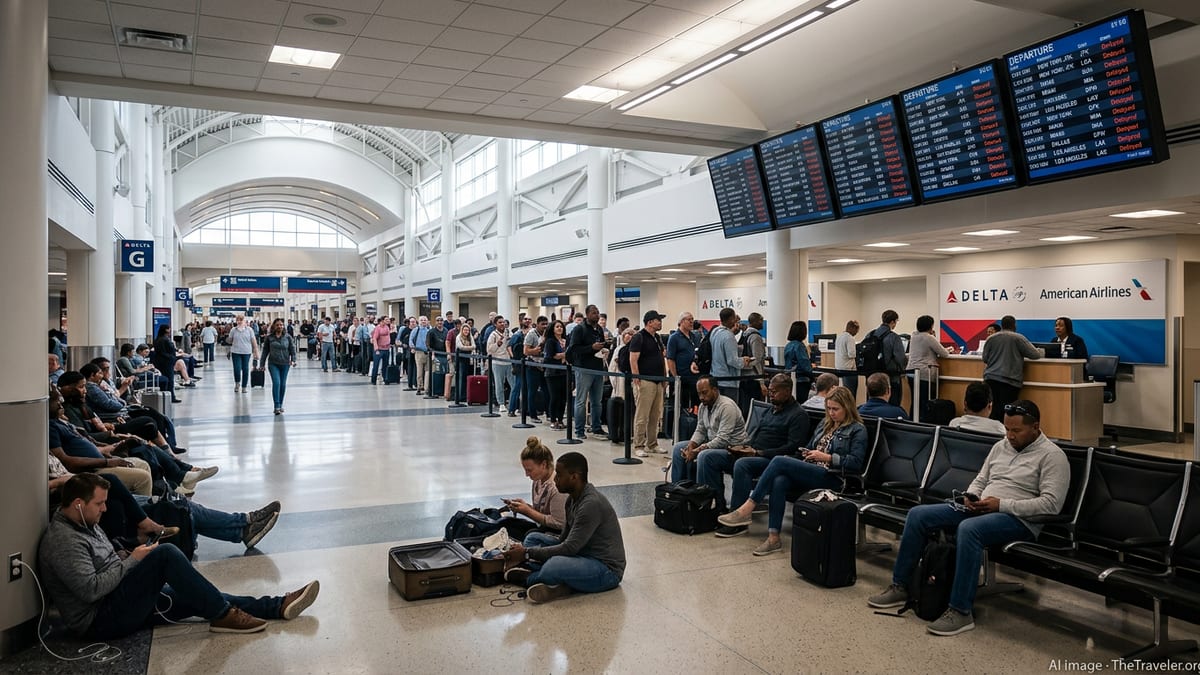
Travelers moving through Hartsfield-Jackson Atlanta International Airport on July 1 faced extensive disruption, as regional and long-haul services were hit by a wave of delays and a handful of cancellations affecting connections to major cities including London, Frankfurt, Toronto and Mexico City.
Get the latest news straight to your inbox!
Delays Mount as Summer Peak Collides With Operational Strains
Publicly available flight-status data and industry coverage indicate that Atlanta’s schedule on Tuesday was heavily skewed toward late departures and arrivals, with roughly 80 flights delayed alongside four cancellations across multiple carriers. The irregular operations followed a broader pattern seen at the airport during recent high-demand periods, when weather, staffing and tight aircraft rotations have combined to slow movements across the network.
Delta Air Lines, which dominates traffic at Atlanta, appeared to shoulder a significant share of the disruption, reflecting the scale of its hub operation and the number of itineraries that depend on seamless connections. Southwest, American, United and low-cost carriers also reported delayed services, highlighting how a single busy hub can spread knock-on effects far beyond the local region.
Reports from aviation tracking platforms show that while outright cancellations remained limited, extended delays clustered around peak morning and afternoon banks, when flights funnel passengers through Atlanta to domestic and international destinations. For many travelers, this meant misconnected itineraries, extended time in terminals and rebooked routings through alternative hubs.
International Routes to Europe and Canada Among Those Disrupted
Flight information for July 1 shows that the disruption was not confined to short-haul services. Long-haul routes from Atlanta toward Europe and Canada, including services to London and Frankfurt and transborder links to cities such as Toronto and Montreal, experienced schedule pressure as late-arriving aircraft and shifting departure slots rippled through the day.
Published aviation data indicate that transatlantic operations from Atlanta have been particularly sensitive this summer, following earlier episodes in June where flights to major European hubs including London, Paris and Amsterdam were impacted by downstream delays from other parts of the network. This latest round of disruption again underscored the vulnerability of tightly timed overnight departures that rely on precise aircraft and crew positioning.
Connections to Mexico City and other Latin American destinations also faced challenges as banks of regional flights feeding the international terminals departed behind schedule. Even when long-haul flights ultimately operated, late pushback times reduced connection buffers for travelers relying on onward links in Europe and the Americas, increasing the risk of missed flights further along multi-leg journeys.
Jazz, Delta, Southwest and Partners Caught in a Network Domino Effect
On the carrier side, the impact extended across a mix of mainline airlines and regional operators. Jazz services associated with transborder itineraries, Delta’s mainline and regional fleets, and Southwest’s point-to-point flights all appeared within the day’s roster of delayed operations. According to flight-monitoring services, a relatively small number of cancellations masked a much broader field of delays that affected travelers on codeshare tickets and interline connections.
Industry analysis of recent operational patterns at Atlanta suggests that tight aircraft utilization and lean staffing can magnify even modest disruptions. When an inbound aircraft arrives late from another city, the knock-on effect on its next scheduled departure can cascade into subsequent flights, particularly at hub airports where planes are scheduled to operate several segments in a single day.
Network structures further complicate recovery. Delta’s hub-and-spoke model channels large volumes of connecting passengers through Atlanta, while Southwest and other carriers operate overlapping point-to-point routes. When ground handling, air traffic constraints or weather slow operations, these different models intersect, making it difficult for airlines to isolate problems to a single region or carrier.
Ground Experience: Crowded Gates and Lengthy Rebookings
As delays accumulated, the passenger experience across concourses at Hartsfield-Jackson reflected the strain. Reports from travelers and public posts on social media platforms described long lines at service desks, busy rebooking counters and crowded gate areas as departure times were repeatedly revised. Some passengers described waiting through a series of rolling delays that extended into the evening, creating uncertainty around connections to onward destinations.
Airline apps and websites played a central role in managing the disruption, with carriers encouraging passengers to monitor digital channels for real-time updates and to process voluntary rebookings where possible. However, high demand on busy travel days can limit the availability of alternative flights, especially for long-haul routes to Europe and major transborder destinations such as Toronto and Mexico City.
Airport operations updates indicated that while the airfield itself remained open, throughput was constrained during parts of the day as arrival and departure flows were adjusted. For travelers already at the airport, the practical effect was extended dwell time at food outlets and seating areas, with some opting to seek hotel rooms when connections became unworkable.
Broader Pattern of Summer Disruptions at Major U.S. Hubs
The latest issues at Atlanta fit into a wider trend of summer travel challenges across large U.S. hubs. Recent months have seen several waves of delays and cancellations at the airport tied to thunderstorms, heavy rain, air traffic control constraints and staffing limitations, according to local media coverage and national aviation statistics. Similar patterns have been observed at other high-volume hubs where large numbers of domestic and international flights converge.
Industry observers note that peak holiday periods, including the early July travel window, place additional pressure on airline and airport systems that are already operating close to capacity. When schedules are built with limited slack, any unplanned disruption can quickly spill over into missed connections and extended recovery times, especially on complex long-haul networks linking cities such as London, Frankfurt, Toronto and Mexico City.
While carriers have taken steps to trim schedules and build in buffers ahead of anticipated weather or airspace constraints, the situation in Atlanta on July 1 underlines how even modest cancellation numbers can translate into widespread inconvenience when dozens of flights depart later than planned. For travelers, experts generally recommend monitoring flight status frequently, allowing extra connection time at busy hubs and considering earlier departures on critical travel days to reduce exposure to cascading delays.