


More news on this day
Thousands of air travelers across Canada faced severe disruption today as major hubs in Toronto, Vancouver, Montreal, Calgary, Halifax, Edmonton and other cities reported dozens of cancellations and hundreds of delays, snarling operations for WestJet, Air Canada, Air Transat, British Airways, PAL Airlines and several other carriers.
Get the latest news straight to your inbox!
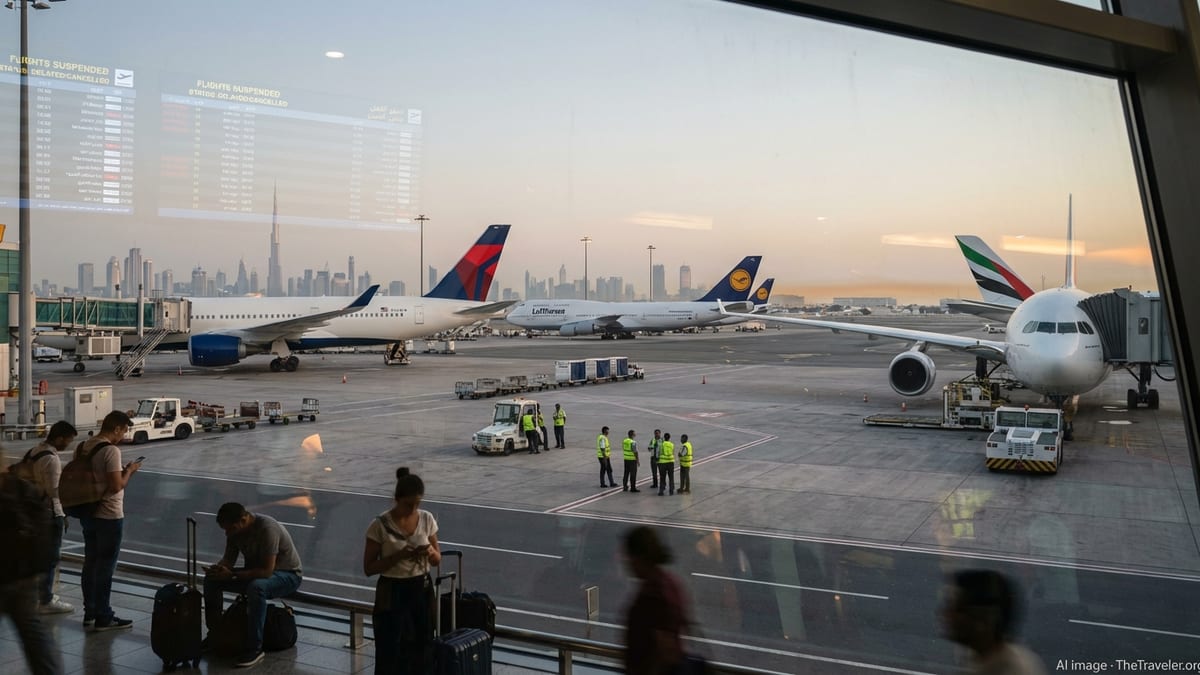
Nationwide Disruptions Hit Canada’s Busiest Airports
Publicly available flight tracking dashboards for May 20 indicated that at least 50 departures and arrivals were cancelled and more than 270 were delayed across Canada’s largest airports, with Toronto Pearson, Vancouver International, Montreal Trudeau, Calgary, Halifax and Edmonton among the hardest hit. The pattern of disruption affected a mix of domestic, transborder and long haul international services, leaving travelers stranded in terminals from early morning through the afternoon peak.
Data from airport status boards showed clusters of delayed and cancelled flights building through the day, with knock on effects as aircraft and crews failed to arrive on time for later departures. The imbalance quickly reduced same day rebooking options, particularly on popular trunk routes such as Toronto to Vancouver, Calgary to Toronto and Montreal to Western Canada.
While the precise causes varied by airport and airline, the result for passengers was a familiar scene of crowded departure halls, growing lines at customer service counters and anxious travelers refreshing airline apps for updates. Travel industry analysis in recent months has already highlighted how even modest operational shocks can ripple quickly through Canada’s tightly scheduled networks when planes are running close to capacity.
Smaller airports and regional routes were also caught in the turbulence as carriers redeployed aircraft to protect their highest demand corridors. This left some communities facing reduced frequencies or last minute cancellations, compounding the sense of uncertainty for travelers who rely on limited daily services.
WestJet, Air Canada and International Carriers Affected
Operational data and schedule comparisons showed that Canada’s two largest airlines, Air Canada and WestJet, accounted for a substantial share of today’s disruption, reflecting their dominant presence at Toronto, Vancouver, Calgary and Montreal. WestJet’s extensive network from its Calgary base, along with its growing presence in Edmonton and Halifax, meant that delays and cancellations there rippled across Western Canada and into Atlantic routes.
Air Canada’s role as the primary operator at Toronto Pearson and Montreal Trudeau magnified the impact for passengers connecting onward to Europe, the United States and other international destinations. Delays on feeder flights from cities such as Halifax, St. John’s and Winnipeg increased the risk of missed connections and unplanned overnight stays for long haul travelers.
The disruption was not limited to domestic players. British Airways services linking Toronto and Vancouver to London, as well as transatlantic flights by Air Transat, also appeared in delay statistics, adding to pressure on already busy passport control and customs areas during peak arrival waves. PAL Airlines and other regional carriers faced knock on challenges as aircraft movements were rescheduled around congested time periods.
Published coverage in recent weeks has emphasized that Canada’s aviation system is operating near pre pandemic traffic levels, with strong demand on both leisure and business routes. On days like today, when delays spike simultaneously at multiple hubs, that high utilization leaves little slack to absorb unexpected disruptions, particularly for smaller airlines with limited spare aircraft.
Travelers Report Long Waits and Limited Alternatives
Accounts shared across social media platforms and consumer forums described travelers facing hours long waits for information and rebooking assistance as airlines worked through backlogs. Many reported that call centers were difficult to reach and that airport service desks were overwhelmed, a pattern that has emerged repeatedly during previous waves of irregular operations in Canada.
Same day alternatives were especially scarce on heavily traveled corridors such as Toronto to Western Canada and Montreal to Calgary, where seat availability was already tight heading into the summer season. Some passengers resorted to booking new tickets on competing airlines at significant additional cost, while others opted for overnight stays to wait for open seats on next day flights.
Families traveling with children and elderly passengers appeared particularly affected by the combination of long queues, uncertain departure times and limited seating in gate areas. In several airports, reports indicated that hotel inventory near terminals began to tighten as the day progressed, raising concerns about accommodation for travelers who missed final departures of the evening.
Consumer advocates have repeatedly noted that irregular operations in Canada can be especially challenging for travelers with complex itineraries involving multiple airports. When a first leg from, for example, Halifax or Edmonton is significantly delayed, it can be difficult to reconstruct onward journeys to smaller markets or overseas cities without incurring substantial extra costs or multi day detours.
Recent System Strains Increase Vulnerability
Today’s troubles build on a series of recent stress points for Canada’s aviation network. In mid May, travel industry analysis highlighted a spike of nearly 200 delays and cancellations in a single day at Toronto, Montreal and Calgary, drawing renewed attention to how quickly performance can deteriorate when several large airports encounter operational issues at once.
Earlier this week, a nationwide systems outage affecting the Canada Border Services Agency temporarily forced manual passport processing at multiple international gateways, including Toronto, Vancouver, Montreal and Calgary. Although that specific incident has been resolved, observers note that it underscored the fragility of key technology systems during peak travel periods.
Operational data from Vancouver in recent days also pointed to elevated disruption, with dozens of flights delayed or cancelled as airlines navigated strong demand around regional holidays and constrained schedules. When similar patterns then appear at Toronto and Montreal, the combined effect can be to stretch crews, airport staffing and aircraft rotations across the entire network.
Aviation analysts have frequently warned that Canada’s major hubs are particularly susceptible to cascading delays when adverse factors such as weather, staffing gaps or technical outages coincide. With passenger volumes rising and aircraft utilization high, even a short period of disruption early in the day can cause schedule knock on effects that persist well into the evening.
What Stranded Passengers Can Do Next
Passenger rights specialists advise that travelers caught in large scale disruption should first confirm their flight status directly with their airline’s official channels and avoid relying solely on third party booking platforms. When flights are cancelled or face long delays, carriers typically offer a choice between rerouting at the earliest opportunity or refunding the unused portion of the ticket, depending on fare rules and the circumstances of the disruption.
Because eligibility for financial compensation in Canada depends heavily on whether a delay or cancellation is considered within an airline’s control, travelers are generally encouraged to retain boarding passes, written notices, receipts for meals and accommodation, and screenshots of status updates. These records can be important if claims are filed later under the Air Passenger Protection Regulations or, for international itineraries, under relevant foreign rules.
Analysts also recommend that when widespread disruption hits multiple hubs at once, travelers consider alternative nearby airports or even rail routes on dense corridors such as Toronto to Montreal or Ottawa. However, same day surface transport options may also fill quickly during severe aviation disruptions, particularly on weekends and holidays.
With Canada heading into the peak summer travel season, today’s wave of cancellations and delays serves as a reminder that passengers may benefit from building extra buffer time into itineraries, especially for tight international connections. Flexible planning, travel insurance that covers missed connections, and familiarity with passenger rights frameworks can help reduce the impact when large scale disruptions strand thousands of travelers across the country.