


More news on this day
Domestic passengers using Kisumu International Airport over the last 48 hours have faced extended waits, missed connections and unplanned overnight stays after a wave of delays disrupted key shuttle flights linking Kisumu with Nairobi.
Get the latest news straight to your inbox!
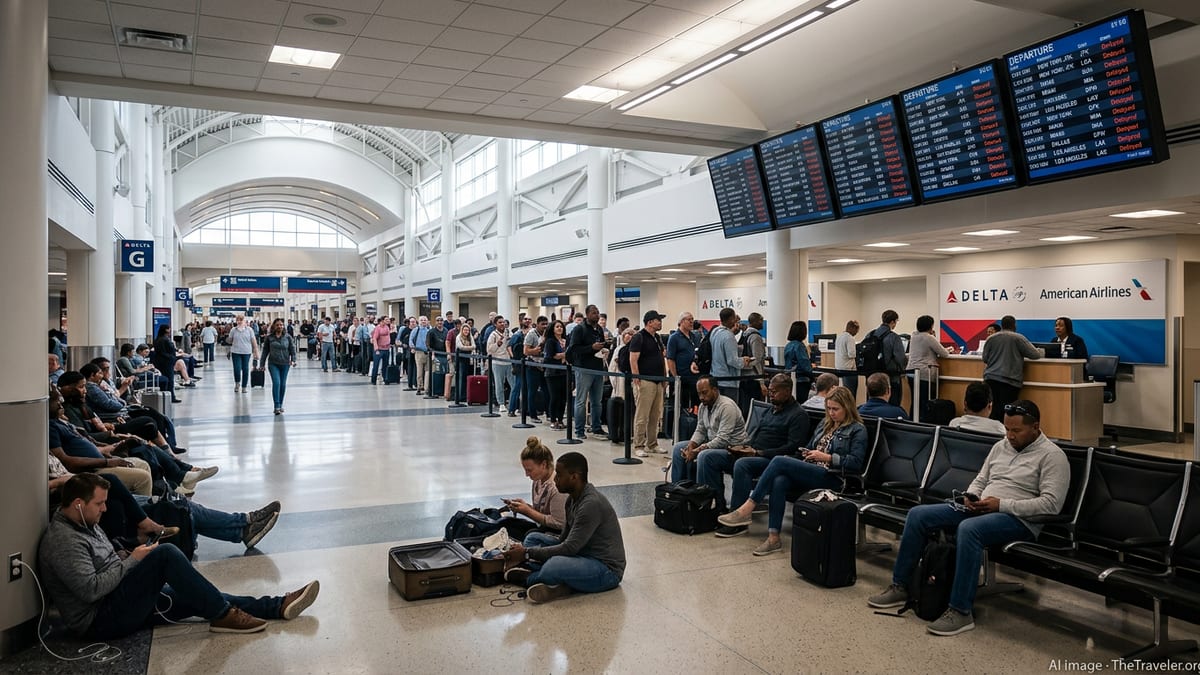
Irregular operations hit Kisumu–Nairobi shuttle corridor
Publicly available flight-tracking and schedule data for late August indicate a pattern of irregular operations on services linking Kisumu with Nairobi’s Jomo Kenyatta International Airport, a domestic corridor that normally runs with multiple daily frequencies operated by carriers such as Jambojet, Kenya Airways and Safarilink Aviation. The route functions as a high-frequency shuttle for business travelers, government staff and leisure passengers moving between western Kenya and the capital, so even small disruptions can quickly cascade into crowds at the terminal.
On August 29 and 30, several rotations between Kisumu and Nairobi showed extended delays or revised departure times, reducing the predictability that regular users of the route typically rely on. Data from third party flight trackers for Kisumu arrivals and departures point to gaps in the normal pattern of morning and mid day services, with some departures pushed back by more than two hours and others retimed later in the day.
The disruption comes as Kisumu consolidates its role as one of Kenya’s busiest domestic hubs. Airport statistics compiled by aviation data providers describe Kisumu as a predominantly domestic airport, handling the bulk of its traffic on internal Kenyan routes while also maintaining a limited number of regional services. The resulting concentration of domestic passengers means that delays on Nairobi services have an immediate impact on hundreds of people in the terminal at any given time.
National advisories highlight wider departure delays
The strain at Kisumu has unfolded against a backdrop of broader operational challenges in Kenya’s aviation system. On August 30, a public advisory from the Kenya Airports Authority warned that departing flights at major Kenyan airports were experiencing delays and urged passengers to check directly with airlines for the latest status before traveling to the airport. The notice followed a series of complaints from travelers who reported remaining stranded at Jomo Kenyatta International Airport with limited information about revised timings and rebooking options.
Although the advisory did not single out specific routes, the Kisumu–Nairobi shuttle is among those most exposed to disruption, as many of its passengers rely on tight same day connections in Nairobi or time sensitive journeys into the city. Earlier in the year, widely covered labor actions at Kenya’s main gateway showed how quickly operational disruptions can strand travelers not only in Nairobi but also at regional airports such as Kisumu when inbound and outbound rotations fall out of sync.
Industry reporting and parliamentary records over recent years have also referenced concerns about frequent delays and cancellations on domestic services operated under the Kenya Airways and Jambojet brands, particularly on key western Kenya routes. While airlines typically cite a mix of aircraft availability, crew rostering and weather as drivers of irregular operations, the net effect for passengers is a perception that domestic schedules on high demand corridors are less reliable than they appear on paper.
Safety checks and operational pressures intersect
Recent individual incidents underscore how safety related decisions can contribute to knock on delays, even where no injuries occur. In late July 2026, a Jambojet flight from Nairobi to Kisumu aborted its takeoff after a cockpit system alert was detected, leading to the safe evacuation of passengers and the aircraft being withdrawn for technical checks. Published coverage of the incident emphasized that the precautionary action was in line with aviation safety protocols but nonetheless caused disruption for travelers booked on the rotation and any subsequent legs.
While that event was isolated and resolved without harm, it highlights the narrow margins within which domestic operators in Kenya often function. Carriers rely on tight aircraft utilization and quick turnarounds on short routes between Nairobi, Kisumu, Eldoret and coastal cities. Any technical inspection, crew timing issue or weather hold can therefore ripple into subsequent flights, creating clusters of delays that are now visible in aggregated tracking data on Kisumu’s arrivals and departures boards.
Aviation analysts note that demand for domestic air travel in Kenya has been recovering, with low cost and hybrid carriers adding services to secondary cities and regional capitals. At Kisumu, route mapping services show a modest but growing network that includes links to Nairobi and selected regional destinations, with most flights operating in single economy class configurations. As traffic volumes increase without proportional gains in spare aircraft and crew, periods of systemwide stress can leave airports like Kisumu particularly vulnerable to schedule disruption.
Stranded passengers face costs and missed connections
For passengers on the ground, the recent delays translated into long queues at check in counters, uncertainty over revised departure times and in some cases missed onward travel. Travelers using Kisumu as the starting point for international journeys must often connect through Nairobi’s Jomo Kenyatta International Airport, itself a major regional hub handling millions of passengers annually. When the initial domestic leg runs significantly late, the risk of missing long haul departures rises sharply.
Publicly available accounts from previous disruption events in Kenya illustrate how such delays can leave passengers paying out of pocket for hotel stays, meals and last minute changes to their itineraries. Consumer forums and passenger rights resources advise travelers on domestic routes to retain boarding passes, booking references and any written notifications of delay, especially where travel insurance or airline policies could cover consequential losses such as missed tours or pre paid accommodation.
At Kisumu, stranded travelers with flexible plans may accept being rebooked on later departures, but those with fixed time commitments often face harder choices between canceling trips, taking alternative ground transport or absorbing additional costs to reach Nairobi in time for critical appointments. For many domestic travelers, particularly those journeying for medical care, exams or business deadlines in the capital, the financial and emotional toll of extended airport waits can be significant.
Calls grow for clearer communication and resilience
The latest disruption at Kisumu has renewed attention on how domestic airlines and airport operators communicate during irregular operations. Passenger advocacy platforms emphasize that timely, transparent updates on revised departure times, options for rebooking and available assistance with disrupted itineraries can substantially reduce the stress associated with long delays. Where information is sparse or inconsistent between digital channels and departure boards, frustration tends to rise quickly among waiting crowds.
Sector commentators argue that Kenya’s domestic aviation network would benefit from more robust contingency planning on high density routes such as Kisumu–Nairobi, including the use of spare aircraft, flexible crew deployment and clearer escalation protocols when delays reach certain thresholds. They also point to the potential for improved coordination between airlines and airport authorities so that public advisories about systemwide delays are matched by practical support at affected regional terminals.
As flight schedules for the coming weeks continue to show regular services between Kisumu and Nairobi, the recent wave of delays is likely to be seen as a stress test of the corridor’s resilience rather than a structural shutdown. Even so, the experience at Kisumu serves as a reminder that in a network where domestic routes feed major international hubs, prolonged irregular operations can leave large numbers of travelers unexpectedly stranded unless communication and recovery measures keep pace with growing demand.
Kenya Airports Authority advisory on flight delays
Report on Jambojet Nairobi–Kisumu system alert incident