


More news on this day
Travelers passing through General Mariano Escobedo International Airport in Monterrey on May 21 faced a wave of disruption as a cluster of VivaAerobus and Magnicharters services were grounded or significantly delayed, affecting at least seven flights and straining connections to domestic hubs and US cities including Tampico, Guadalajara, Las Vegas, Miami, Cincinnati and other destinations.
Get the latest news straight to your inbox!
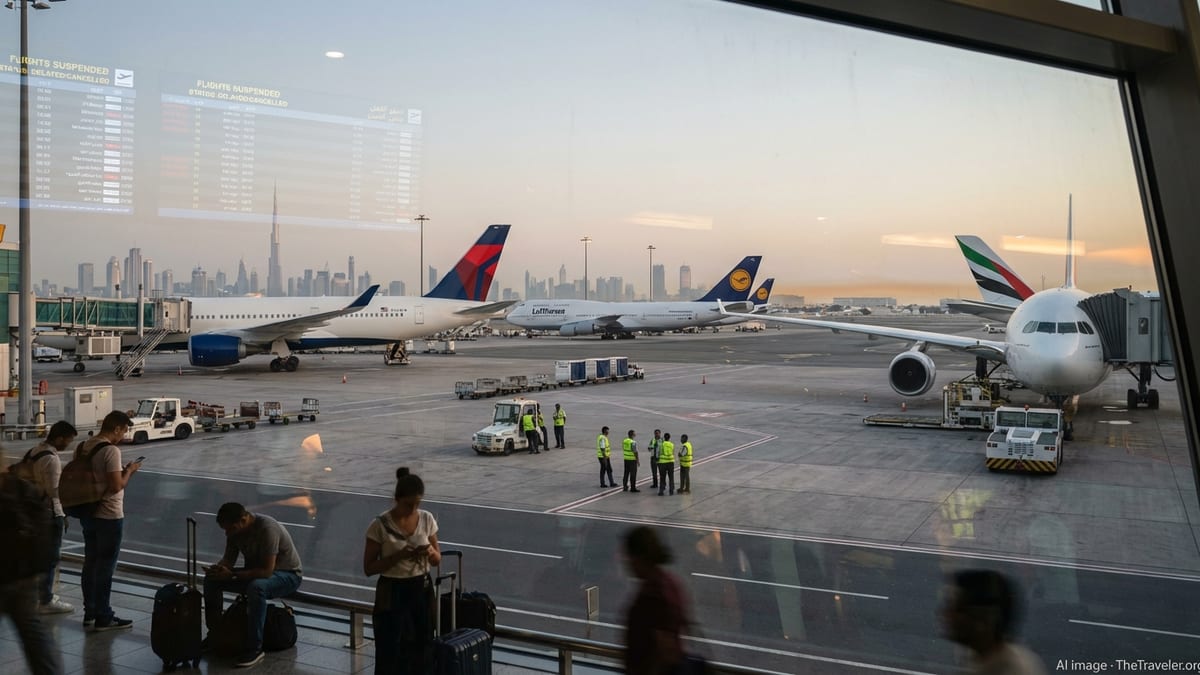
Operational Strain at a Key Northern Mexico Hub
General Mariano Escobedo International Airport, better known as Monterrey International Airport, has emerged in recent years as one of Mexico’s busiest gateways, serving more than 15 million passengers annually and operating as a primary hub for low cost carrier VivaAerobus and for Magnicharters prior to its suspension of operations. The concentration of traffic at Monterrey means localized disruptions can quickly spread across the wider network, affecting both domestic and cross border itineraries.
On May 21, a combination of grounded services and rolling delays created precisely that type of cascade. Publicly available tracking data and airport information show that VivaAerobus flights into and out of Monterrey have been experiencing irregular operations across multiple routes in the current week, with late arriving aircraft and schedule changes compounding crowding at departure gates and check in counters.
Magnicharters, which had already halted its own operations nationwide in April amid financial distress, remains a factor in the current turmoil. Capacity once supplied by Magnicharters on leisure routes out of Monterrey has not been fully replaced, making remaining seats on competing carriers more scarce when disruptions occur. The combination of temporary groundings and thinner overall capacity has left some passengers with fewer same day rebooking options.
Reports from travelers using the airport on May 21 describe long lines, limited information at departure boards and a scramble for alternative connections among those attempting to reach onward flights in Mexico City, Guadalajara and major US hubs.
Routes to Tampico and Guadalajara Among Early Casualties
The first visible impact of the disruption came on high demand domestic corridors linking Monterrey with other industrial and commercial centers in northern and western Mexico. Services between Monterrey and Tampico, an important Gulf coast port, were among the flights reported as grounded or heavily delayed as aircraft and crews failed to rotate into position on time.
Guadalajara, one of Mexico’s largest metropolitan areas and a critical node for both business and leisure travel, also experienced knock on effects. Delayed departures from Monterrey reduced connection windows for passengers planning to continue from Guadalajara on other domestic or US bound flights. Travel industry commentary indicates that missed onward connections out of Guadalajara have added to the overall number of disrupted itineraries.
Travelers heading to and from these cities on low cost carriers were particularly exposed. With Magnicharters no longer operating and VivaAerobus carrying a large share of price sensitive traffic, any schedule irregularity can quickly fill the limited number of available rebooking seats. On May 21, some passengers reported being offered re accommodation on flights departing a day or more later, transforming a short hop within Mexico into an unexpected overnight stay.
For regional airports such as Tampico, even a small number of grounded flights at Monterrey’s hub can translate into several hours without service, leaving travelers reliant on ground transport or last minute rerouting through Mexico City.
Cross Border Links to Las Vegas, Miami and Cincinnati Affected
The ripple effects of Monterrey’s turmoil extended beyond Mexico’s borders, touching several US cities that rely on point to point and connecting traffic from the northern Mexican hub. Routes linking Monterrey with leisure heavy destinations such as Las Vegas and Miami, as well as business focused connections to cities like Cincinnati, were among those affected as aircraft assigned to these services were delayed or temporarily grounded.
Flight tracking platforms for May 21 show schedule adjustments on multiple northbound legs, with revised departure times and, in some cases, cancellations replacing original slots. Even when flights ultimately departed, extended delays complicated US bound passengers’ ability to clear immigration and customs in time for same day onward connections, particularly at busy transfer points.
The impact is magnified for travelers using Monterrey as a bridge between smaller Mexican cities and US destinations. A delayed domestic feeder flight into Monterrey can cause a missed departure to Miami or Las Vegas, leaving passengers stranded at the hub airport and dependent on limited remaining capacity to reach the United States.
Travel forums and social media posts on May 21 highlighted confusion among some passengers about whether their flights remained confirmed, with last minute gate changes and shifting estimated departure times reported at Monterrey’s terminals.
Magnicharters’ Insolvency Deepens Capacity Crunch
The current wave of disruption comes just weeks after Magnicharters, long active in Mexico’s holiday and charter segment, entered formal insolvency proceedings. According to recent business press coverage, the airline had already suspended operations in April due to mounting debts and subsequently sought court protection while it attempts to restructure.
That decision removed a notable amount of leisure oriented capacity from the Mexican market, including from Monterrey, where Magnicharters had maintained a presence for routes to beach destinations and key interior cities. While rival carriers such as VivaAerobus and others have absorbed some displaced demand, industry analysis indicates that the network remains tighter than before, with fewer spare seats available on peak days.
The absence of Magnicharters as a functioning back up option has been especially apparent during the May 21 turmoil. Travelers who might previously have shifted to a competing carrier at the same airport found that alternatives were either sold out or significantly more expensive, particularly on cross border routes and popular domestic city pairs.
Tourism sector observers note that this type of capacity crunch can heighten the impact of even routine operational problems, turning what might have been a minor schedule hiccup into a more severe disruption that ripples for several days.
What Travelers Can Expect in the Coming Days
Publicly available airline schedules still show a full slate of flights planned through Monterrey for the days following May 21, suggesting that carriers intend to work through the backlog rather than enact broader cancellations. However, recent patterns of late departures and isolated groundings indicate that travelers should be prepared for continued irregular operations as airlines rebalance aircraft and crews.
Consumer guidance from travel experts typically emphasizes allowing extra connection time when transiting hubs that are experiencing disruption. For Monterrey, that may mean booking longer layovers before onward flights to cities such as Guadalajara, Miami or Las Vegas, or opting for earlier departures in case of cascading delays later in the day.
Passengers affected by the May 21 turmoil have been advised, in publicly shared guidance, to monitor airline notifications closely, verify boarding times directly at airport screens and retain all documentation related to delays or cancellations in case of future claims. Those traveling on separate tickets for domestic and international segments are seen as particularly vulnerable to missed connections and should factor in additional buffer time.
With demand for both domestic and cross border travel rising into the summer travel period, industry watchers expect Monterrey’s role as a hub to remain central, even as airlines work to stabilize schedules and fill the capacity gap left by Magnicharters’ retreat from the skies.