


More news on this day
Flydubai is deploying a second aircraft to Saudi Arabia to pick up passengers from a Dubai to Tel Aviv service that diverted to Tabuk following an in flight emergency, according to multiple media reports and publicly available flight tracking data on 30 September 2026.
Get the latest news straight to your inbox!
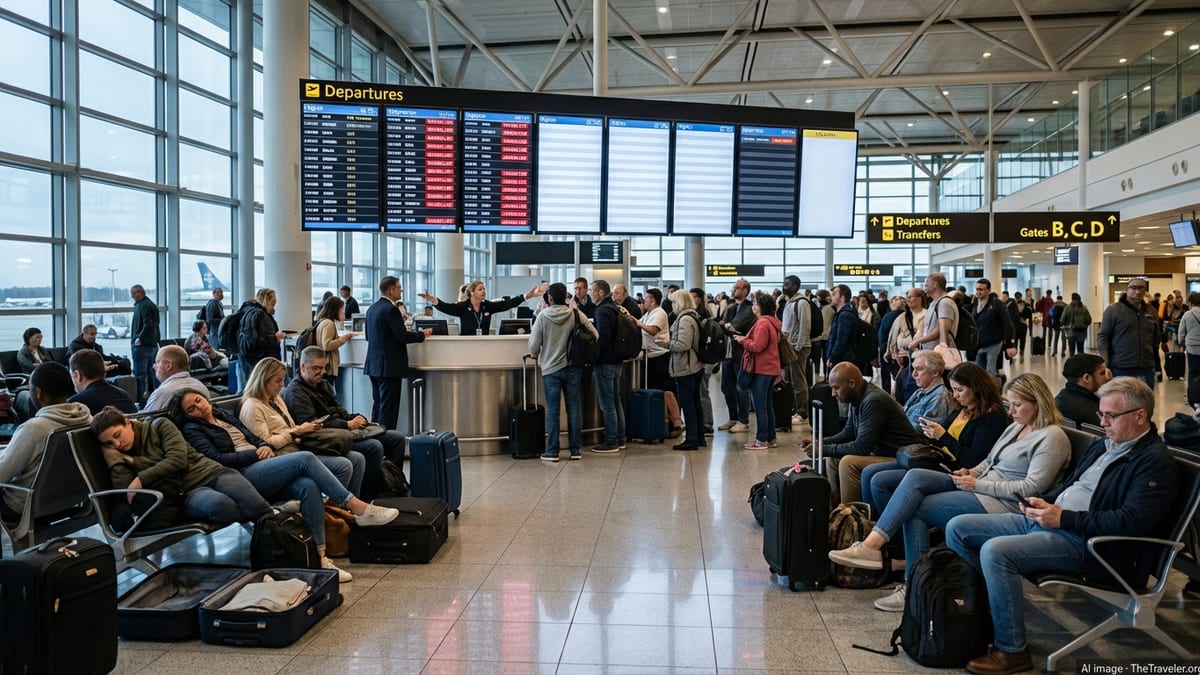
Mid‑air emergency diverts Dubai–Tel Aviv route
Publicly available tracking data and regional media coverage indicate that Flydubai flight FZ1073, a Boeing 737 Max operating from Dubai International to Tel Aviv’s Ben Gurion Airport on 30 September 2026, declared an emergency while cruising over northern Saudi Arabia. Transponder data showed the aircraft briefly transmitting codes associated with a general emergency and potential unlawful interference before changing course toward Saudi airspace.
The flight, carrying roughly 170 to 180 passengers according to various news reports, had been scheduled to arrive in Tel Aviv late morning local time. Instead, the aircraft turned west, descending rapidly and heading toward Tabuk in northwestern Saudi Arabia. Reports from outlets including international and Israeli media describe a "serious incident" in the cockpit that led the crew to request an immediate diversion.
Saudi aviation authorities cleared the jet to land at Tabuk Airport, where it touched down without further incident. Initial coverage from regional news organizations emphasized that there were no reports of injuries among passengers or crew on landing, despite the dramatic change in flight profile and emergency signals en route.
Subsequent reporting through the day suggested that concerns about a possible hijacking were later ruled out, with investigations focusing instead on an internal conflict on the flight deck. Flydubai issued a brief public statement acknowledging an incident involving crew members and confirming that the aircraft had landed safely in Saudi Arabia.
Passengers kept on the ground in Tabuk
Following the unscheduled landing, passengers remained on Saudi soil as checks of the aircraft, crew and documentation proceeded. Local and international reports describe a substantial security and emergency services presence at Tabuk Airport as authorities worked to stabilise the situation and confirm that there was no ongoing threat.
Accounts relayed through Israeli and Arabic language media from people on board depict a confusing period after landing, with travelers initially kept on the aircraft before being allowed into the terminal. With the original Boeing 737 Max grounded pending inspection and an investigation, the Dubai based carrier had to decide how to move dozens of Israeli and other passengers onward to Tel Aviv.
The diversion left travelers unexpectedly stranded in a country that, while having eased its airspace policy in recent years to permit overflights to and from Israel, does not maintain formal diplomatic relations with it. As a result, any onward movement required close coordination between the airline and national authorities on both sides, adding an extra layer of complexity for those waiting to complete their journey.
Published coverage indicates that throughout Wednesday afternoon local time, the stranded passengers were provided with access to the terminal facilities at Tabuk while arrangements were being made for a replacement flight and while officials reviewed the circumstances that led to the diversion.
Flydubai dispatches second aircraft to repatriate travelers
By late afternoon on 30 September, aviation tracking platforms and regional news outlets reported that Flydubai had dispatched a second aircraft from Dubai to Tabuk. This relief flight was tasked with collecting the passengers left in Saudi Arabia and operating a new sector from Tabuk to Tel Aviv once authorities granted the necessary clearances.
According to these reports, the decision to send a second plane reflected both operational requirements and diplomatic sensitivities. Keeping a large group of Israeli passengers at a Saudi regional airport for an extended period risked creating additional logistical and political complications, particularly given heightened regional tensions and the unusual nature of a commercial link between Saudi territory and Israel.
The relief aircraft, another Boeing narrowbody from Flydubai’s fleet according to flight tracking data, was scheduled to arrive in Tabuk later on Wednesday. Once ground handling, immigration coordination and security checks were completed, the plan was for stranded passengers to be transferred from the original diverted jet to the second aircraft for the short onward flight to Tel Aviv.
News reports indicate that the original aircraft involved in the diversion was expected to remain on the ground in Saudi Arabia while technical teams and investigators examined its systems and documented the sequence of events that led to the emergency declaration. The airline has not publicly detailed when that jet will return to regular service.
Operational and diplomatic sensitivities on a rare Saudi–Israel leg
The incident highlights the operational challenges airlines face when emergencies occur in politically sensitive airspace. Direct commercial flights between Saudi Arabia and Israel remain rare, although Saudi authorities have in recent years permitted overflights for services to and from Tel Aviv operated by carriers such as Flydubai and other Gulf based airlines.
In this case, the diversion effectively created an unplanned Saudi Arabia to Israel sector once the second aircraft was deployed to Tabuk. Previous medical emergency diversions involving Israel bound flights have also resulted in rare, tightly managed Saudi–Israel passenger transfers, often drawing international attention due to the broader geopolitical context.
Publicly available information on the current case suggests that Saudi and Israeli authorities coordinated to allow the replacement flight to depart Tabuk for Tel Aviv once security conditions were confirmed. For travelers, the episode meant a longer travel day than planned and an unexpected stop in a country that is not part of the usual Dubai–Tel Aviv route network.
Flydubai’s published operational updates for 2026 already note that the airline is operating a reduced network with some rerouted paths and longer transit times on certain routes due to regional airspace restrictions. The disruption on FZ1073 adds to the operational pressures but also demonstrates that contingency planning is in place to move passengers onward when an aircraft cannot continue.
Investigation under way into cockpit incident
Several international news outlets report that aviation authorities have launched a formal investigation into the incident aboard FZ1073, focusing on what occurred between the pilots in the cockpit. Early accounts circulating in regional media and on social platforms point to a "violent" confrontation, although official findings have not yet been released.
Flydubai has confirmed in public statements that there was an incident involving crew members and that an internal review, alongside regulatory inquiries, is proceeding. Until those investigations are complete, many of the more dramatic early claims about events at cruise altitude remain unverified, and no agency has yet published a detailed preliminary report.
For travelers booked on Flydubai services between Dubai and Tel Aviv, there were no immediate broad cancellations reported in connection with the FZ1073 diversion as of the afternoon of 30 September. However, travel industry reports advise passengers to monitor the airline’s official channels and flight status tools for any schedule adjustments, particularly for departures overflying northern Saudi Arabia.
The Tabuk incident is likely to renew scrutiny of cockpit security protocols, pilot health monitoring and crew resource management at airlines operating in the region. For now, though, the deployment of a second aircraft to Saudi Arabia has allowed Flydubai to focus on safely returning affected passengers to Tel Aviv while the circumstances of the in flight emergency are examined in detail.