


More news on this day
Thick fog over Auckland Airport has triggered widespread disruption to domestic air travel, with multiple flights cancelled or delayed and flow-on impacts reported across New Zealand’s aviation network.
Get the latest news straight to your inbox!
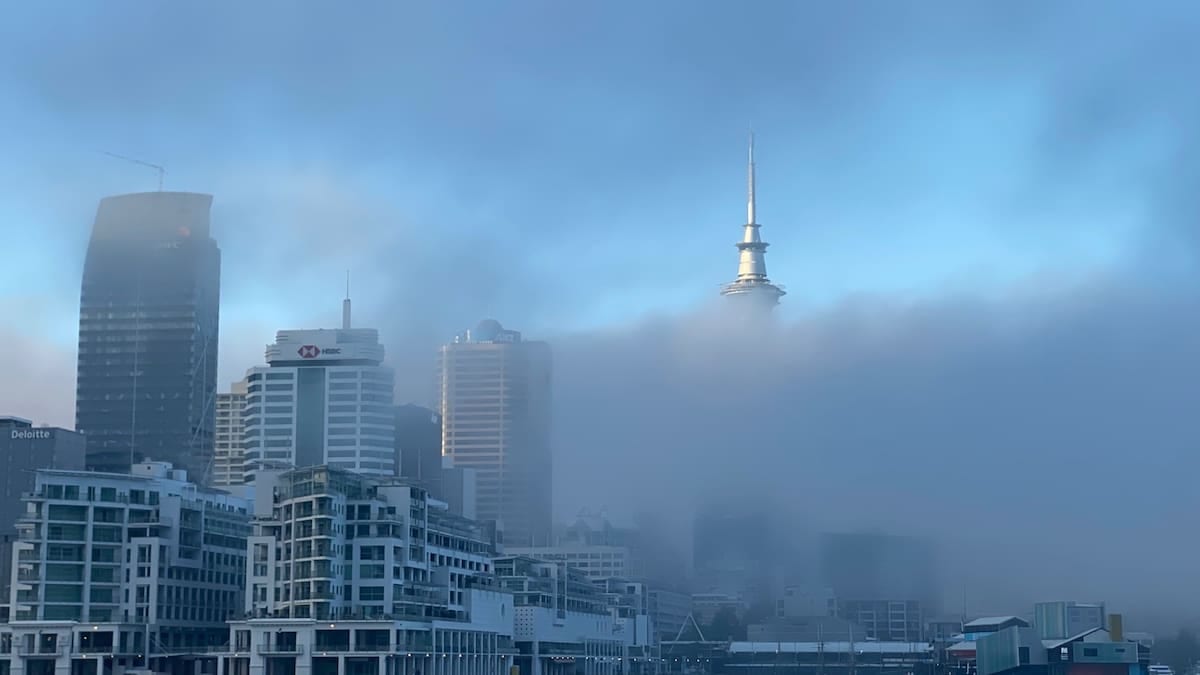
Dense fog blankets key New Zealand gateway
Early-morning fog settled over Auckland on Friday, significantly reducing visibility around the country’s busiest airport and forcing restrictions on aircraft movements. Publicly available flight information showed a cluster of domestic services cancelled or pushed back from their scheduled departure times as the low cloud lingered over the airfield.
Auckland Airport handles a large share of New Zealand’s internal air traffic, so any weather disruption at the hub can quickly be felt on regional routes. Reports from New Zealand media and aviation tracking platforms indicated that the latest fog event primarily affected domestic services operating with smaller aircraft, while most international jet operations were able to continue.
Travelers scheduled on early departures from regional centres into Auckland for onward connections were among those most affected, with some morning services unable to depart until visibility thresholds improved. The conditions eased later in the morning, allowing operations to gradually resume, but many passengers still faced missed connections and rebookings onto later flights.
Domestic routes hardest hit by cancellations
According to recent published coverage of similar events at Auckland Airport, dense fog can result in dozens of domestic flights being cancelled over the course of a single morning peak, with additional services subject to delays of varying lengths. The latest disruption followed that pattern, with regional links among the most exposed to the visibility restrictions.
Low visibility procedures at major airports typically reduce the number of aircraft movements permitted per hour, as greater spacing is required between take-offs and landings. For domestic passengers, that can mean early cancellations of shorter regional services to preserve limited runway capacity for higher-demand routes, a pattern that appeared again in Auckland as airlines worked through their morning schedules.
Publicly accessible flight status boards and local reports suggested that services linking Auckland with centres such as Wellington, Christchurch and key regional destinations were among those adjusted. While many flights eventually departed once conditions improved, others were removed from the schedule entirely, forcing affected travellers to wait for open seats later in the day.
Why fog continues to challenge Auckland operations
Auckland Airport is equipped with advanced landing systems that allow many larger jet aircraft to operate in low-visibility conditions, significantly reducing the risk of weather-related disruption for long-haul and mainline domestic flights. Airport documentation notes that these systems have cut the impact of fog on appropriately equipped jets compared with earlier decades, when widespread delays and diversions were more common.
However, fog remains a persistent winter hazard for the region. Radiation fog, the type most often reported around Auckland, typically forms on calm, clear nights when ground temperatures drop and moisture condenses near the surface. Once established, this low cloud can linger through the morning peak travel period, precisely when domestic schedules are busiest.
Smaller regional aircraft, which may not all be configured for the lowest-visibility approaches, can be more vulnerable to these conditions. As a result, even when most international and mainline jet services can continue, a band of early-morning regional flights may still face operational limits until visibility across the airfield rises above required minima.
Knock-on effects across New Zealand’s air network
The concentration of domestic routes through Auckland means that fog-related disruption rarely remains a purely local issue. When early inbound flights are unable to depart regional airports or land on time in Auckland, aircraft and crew are taken out of position, leading to a ripple of delays and schedule changes throughout the day.
Travellers connecting from domestic services to international flights can be particularly impacted. Public travel advice from airlines and consumer guides in New Zealand regularly warns that heavy fog at Auckland is one of the main weather risks for early connections, and recommends building extra time into itineraries during the winter months.
Today’s disruption added to a year in which New Zealand’s aviation network has already seen several weather and operational interruptions at major airports. Earlier episodes of dense fog in both Auckland and Wellington have prompted cancellations and delays, underlining the vulnerability of tightly timed domestic schedules to sudden drops in visibility.
Airlines and passengers adapt to recurring winter pattern
As fog events continue to recur during the colder months, airlines operating in and out of Auckland have increasingly adjusted schedules, aircraft deployment and contingency planning to account for likely disruptions. Publicly available airline notices for previous fog episodes have encouraged passengers to monitor flight status closely, make use of rebooking options when offered, and allow additional time at the airport.
For travellers, the latest cancellations and delays serve as another reminder that winter flying in New Zealand can involve significant weather-related uncertainty, even on short domestic hops. Flexible tickets, travel insurance policies that cover weather disruption and an awareness of early-morning fog risk at Auckland can help mitigate the impact when conditions deteriorate.
With visibility expected to improve as the day progresses, operations at Auckland Airport are forecast to normalise. However, the backlog created by the morning’s cancellations and late departures means some passengers are likely to face altered plans and crowded later services as airlines work to reposition aircraft and crew and restore their regular timetables.