


More news on this day
A newly updated United States travel advisory is urging American tourists to “exercise increased caution” when visiting The Bahamas, placing one of the Caribbean’s most popular vacation destinations under a Level 2 security notice tied largely to crime in areas frequented by visitors.
Get the latest news straight to your inbox!
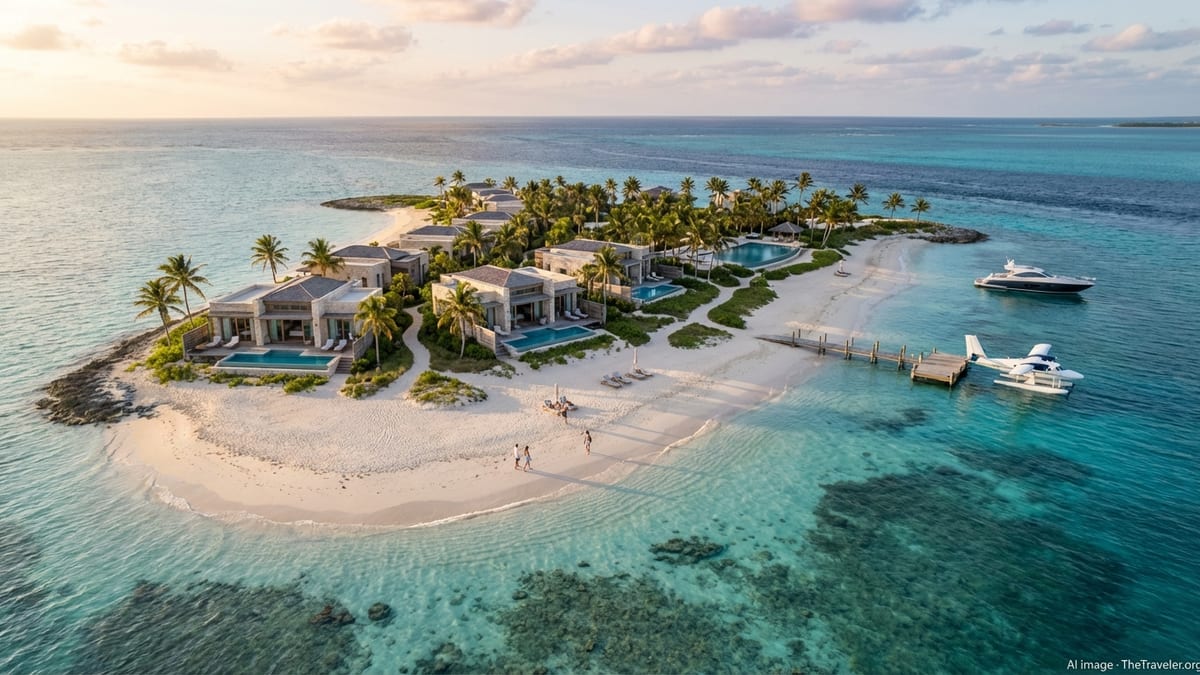
Updated guidance for a leading Caribbean getaway
The revised advisory for The Bahamas, published this week on the US Department of State’s travel information portal, classifies the archipelago as a Level 2 destination, a category that signals travelers should be more alert to potential risks than in locations where only normal precautions are advised.
Publicly available information shows that the Caribbean nation’s overall advisory level has not shifted into the most severe categories, but the language now stresses that violent crime, including incidents such as armed robbery and sexual assault, has occurred on some islands and in neighborhoods where international visitors may spend time.
The Bahamas consistently ranks among the top international destinations for US leisure travelers, with cruise arrivals, resort stays, and short-haul flights from Florida and other East Coast hubs making it a favored choice for quick beach getaways. The updated guidance is therefore drawing attention from both would-be vacationers and the region’s tourism sector, which is heavily dependent on US visitors.
According to published coverage, advisory updates can occur even when the formal level remains the same, reflecting new assessments of security trends, types of incidents being reported, or changes in local conditions that officials believe travelers should factor into their plans.
Crime concerns in tourist hubs and urban areas
The advisory highlights crime as the primary driver of the Level 2 designation, pointing in particular to violent incidents reported in parts of Nassau and on New Providence Island, home to the capital and many major resorts. Reports indicate that some crimes have taken place in areas near popular hotels, short term rentals, and nightlife districts, especially after dark.
Travelers are urged to pay close attention to their surroundings, avoid walking alone at night in less crowded areas, and secure valuables, including passports, phones, and jewelry. Publicly available guidance emphasizes that opportunistic theft, such as pickpocketing or bag snatching, can occur in busy tourist corridors, beaches, and transport hubs.
The advisory also notes that incidents affecting locals may occur away from the main resort zones, but can still have implications for visitor safety where criminal activity spills into commercial districts or residential neighborhoods tourists occasionally visit. Visitors using rental vehicles or taxis in urban areas are encouraged to remain alert in traffic, keep doors locked, and avoid displaying expensive items.
Security information from the United States and other governments commonly stresses that even in destinations heavily reliant on tourism, crime trends can vary sharply from one island or neighborhood to another, making localized knowledge and up to date advice important when planning excursions beyond resort grounds.
How the Bahamas advisory compares with other destinations
The State Department’s four tier system ranges from Level 1, which advises normal precautions, to Level 4, indicating “Do Not Travel.” The Bahamas’ placement at Level 2 situates it alongside a wide range of countries and territories where increased caution is recommended but travel is not discouraged.
According to background information released by US authorities about the advisory framework, Level 2 is often used in cases where crime, terrorism, civil unrest, health concerns, or natural disaster risks warrant more careful decision making by travelers, without rising to the threshold of widespread avoidance.
Regional comparisons show that several Caribbean destinations fall into Level 1 or Level 2 categories, while a smaller number have more stringent warnings for specific regions or nationwide. Media analyses frequently note that shifts between tiers can affect traveler perceptions, trip insurance policies, and decisions by tour operators, even when flights and tourism infrastructure continue operating as normal.
Travel industry commentary suggests that many tourists continue to visit Level 2 destinations while tailoring their activities, excursion choices, and movements around the latest safety recommendations, particularly in urban centers and nightlife areas.
What US travelers are being advised to do
The updated advisory outlines a series of precautionary steps for Americans considering or already planning trips to The Bahamas. These include enrolling in the Smart Traveler Enrollment Program, reviewing detailed country specific safety and security information, and checking recent alerts before and during travel.
Guidance for visitors emphasizes choosing accommodations in areas with a visible security presence, using reputable transportation providers, and arranging airport transfers in advance where possible. Travelers are also urged to keep copies of identification documents separate from originals, store passports in hotel safes when not needed, and limit the amount of cash carried on outings.
Public health and emergency preparedness are additional considerations. Travelers are encouraged to confirm that they have adequate medical and evacuation insurance, familiarize themselves with the location of nearby clinics or hospitals, and review any health notices related to mosquito borne illnesses or seasonal conditions that can affect the Caribbean.
Published safety materials recommend that visitors maintain regular communication with family or friends back home, share accommodation and itinerary details, and monitor local news while abroad so they can respond quickly to any emerging security or weather related developments.
Balancing demand for Caribbean travel with safety concerns
Despite the elevated language urging increased caution, The Bahamas remains open for tourism, with airlines, cruise ships, and major resorts continuing to market the islands as a leading sun and sea destination. Early travel industry reactions suggest that many travelers are reviewing the advisory in detail rather than cancelling trips outright, particularly those with long planned vacations or group bookings.
Analysts focusing on tourism trends in the Caribbean indicate that advisories can have uneven impacts across markets. Some travelers may adjust their plans toward islands with lower advisory levels, while others opt to keep their bookings but modify behavior, such as limiting late night outings off resort property or booking guided tours rather than independent exploration.
Local businesses and tourism boards in the region have historically responded to similar advisories by highlighting security investments, partnerships with law enforcement, and visitor assistance programs. Observers note that maintaining traveler confidence often depends on transparent communication about both risks and the steps taken to mitigate them.
With the peak winter travel season only months away, the updated guidance for The Bahamas underlines how closely linked Caribbean economies are to perceptions of safety among US visitors. For travelers weighing a beach holiday, the message from publicly available advisory materials is to stay informed, plan carefully, and approach the islands with both enthusiasm and situational awareness.