


More news on this day
Flights at Auckland Airport are resuming after dense morning fog triggered visibility restrictions that led to widespread delays and cancellations for domestic and regional services.
Get the latest news straight to your inbox!
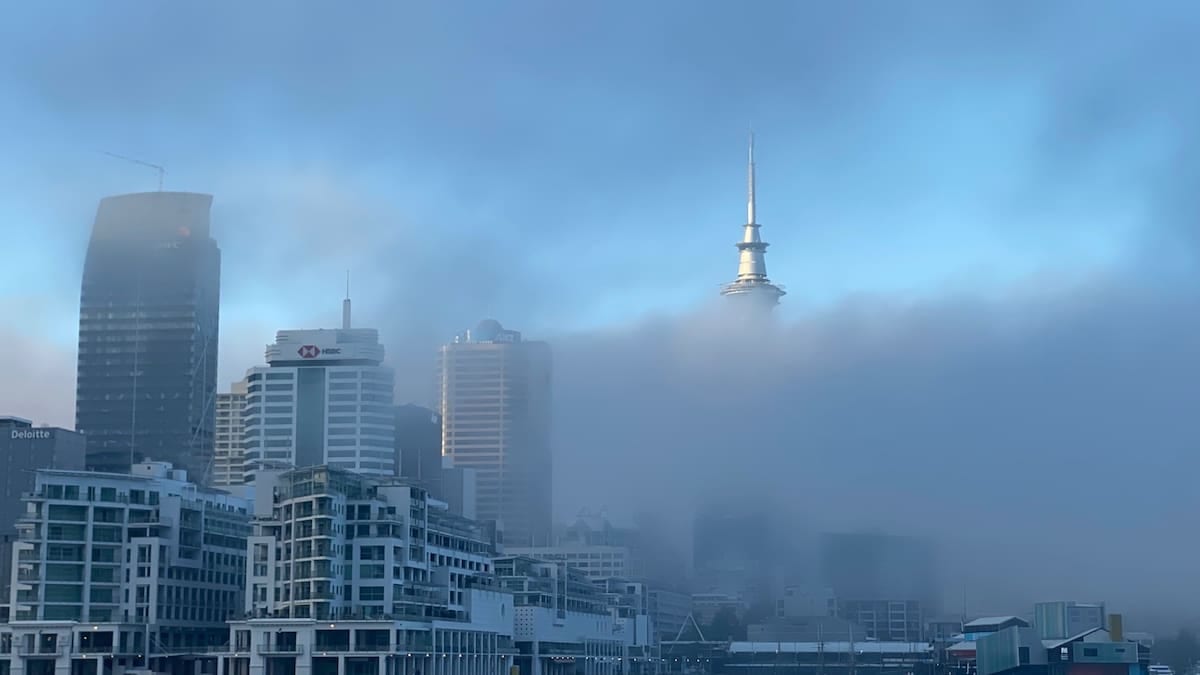
Early-morning fog brings operations to a standstill
Heavy fog settled over Auckland on Friday morning, sharply reducing visibility across the airport precinct and forcing restrictions on aircraft movements for several hours. Publicly available tracking data and local coverage indicate that the thick conditions developed before the morning peak, affecting both departures and arrivals as airlines adjusted schedules.
Reports from passengers and local residents describe visibility around the airport down to roughly 100 metres at times, with low cloud limiting pilots’ ability to operate under normal visual procedures. While larger jets equipped for low-visibility operations were able to move in limited numbers, many smaller domestic and regional aircraft faced tighter constraints.
As the weather deteriorated, flight boards filled with delays and cancellations, particularly on popular morning routes between Auckland and other North Island centres. Some travellers reported extended waits in the terminal as airlines worked through revised operating plans and crew availability.
Information from New Zealand aviation performance reports shows that adverse weather, including fog, remains a leading cause of delays at Auckland Airport during the cooler months, despite the presence of advanced landing systems that help mitigate the impact on larger aircraft.
Restrictions lifted as visibility improves
By late morning, conditions around the airfield had improved enough for fog-related restrictions to be lifted and for more regular movements to resume. Published flight data suggests that arrivals and departures gradually increased through the middle of the day, although schedules remained out of sequence and some services were still operating with significant delays.
Airlines began reinstating flights that had been on hold once visibility reached safe operating thresholds for a wider range of aircraft types. This allowed carriers to restart short-haul services that had been most heavily affected during the peak of the disruption.
Travel industry monitoring indicates that, although the immediate weather trigger had passed, residual disruption persisted as aircraft and crew were repositioned and passenger backlogs were cleared. Afternoon travellers were advised through public channels to continue checking flight status and to expect longer queues at check in and security.
Operational updates from the airport and airlines, shared through public information platforms, framed the easing of restrictions as a transition back to normal conditions rather than a sudden return to full capacity, reflecting the knock-on effects common after major weather interruptions.
Knock-on effects across New Zealand’s domestic network
The morning fog at Auckland did not only affect passengers in the city itself. Because the airport functions as New Zealand’s primary domestic and international hub, delays there quickly spread through the wider network as aircraft operating multi-stop rotations were held on the ground.
According to aviation schedule data and local reporting, flights linking Auckland with regional centres such as Wellington and Christchurch experienced delays as they waited for inbound aircraft, while some onward connections were missed entirely. Passengers arriving from smaller airports also faced rebookings when their connecting services from Auckland had already departed or been rescheduled.
Historical on-time performance reports from New Zealand’s transport authorities note that congestion created by weather events at Auckland can ripple across the system for much of the day. When a morning peak is disrupted, airlines often need several scheduling cycles before aircraft and crew are back in their intended positions.
Today’s fog episode appears to have followed that pattern, with mid-afternoon services still showing irregular departure times, even as weather conditions improved and visibility stabilised over the Auckland region.
Weather-related disruption a recurring winter challenge
While fog events of this severity are not everyday occurrences, winter and shoulder-season conditions have long presented operational challenges at Auckland Airport. Historical material from the airport operator highlights previous investments in ground-based navigation aids and low-visibility procedures designed to keep large jets moving even when conditions deteriorate.
Despite these systems, smaller turboprops and regional aircraft remain more exposed to strict meteorological minima, meaning that early-morning fog can still result in multiple cancellations when visibility drops below required thresholds. Industry observers note that such conditions are particularly disruptive when they coincide with commuter-heavy business flights.
Recent aviation performance summaries from New Zealand’s transport authorities underline that weather continues to be a principal factor in delays and cancellations nationwide, especially in the cooler months when fog and low cloud are more common. Auckland’s role as a central hub means that any weather-related slowdown there tends to have outsized effects compared with smaller airports.
Travel analysts point out that, although today’s disruption was sharp, the lifting of fog restrictions by late morning and the gradual restoration of flights through the afternoon reflect how modern procedures and equipment can shorten the duration of such events compared with earlier decades.
Advice for travellers after the fog lifts
With visibility restored and restrictions lifted, most flights at Auckland Airport are expected to move closer to normal schedules over the remainder of the day. However, published travel advisories suggest that passengers whose journeys involve connections, particularly to regional centres, may still encounter altered departure times as airlines work through residual backlogs.
Publicly available guidance from airlines and travel operators typically recommends that passengers keep a close watch on digital flight information and allow extra time at the airport following major weather disruptions. Same-day rebookings and aircraft swaps are common as carriers aim to reposition fleets and accommodate as many disrupted travellers as possible.
For those planning upcoming trips during the winter period, aviation performance data indicates that early-morning flights are more vulnerable to fog-related issues at Auckland. Travel planners often suggest building longer layovers for critical connections or choosing later departures when flexibility allows, particularly on routes that rely heavily on smaller aircraft.
While today’s event highlighted the ongoing influence of weather on New Zealand’s busiest air gateway, the relatively swift lifting of fog restrictions and the measured recovery of services demonstrate the interplay between natural conditions and the modern systems designed to keep the country’s air network moving.