


More news on this day
Dense fog has disrupted air travel across New Zealand, with around 57 flights affected as Auckland and Wellington airports struggle to maintain schedules and major carriers work to rebook stranded passengers.
Get the latest news straight to your inbox!
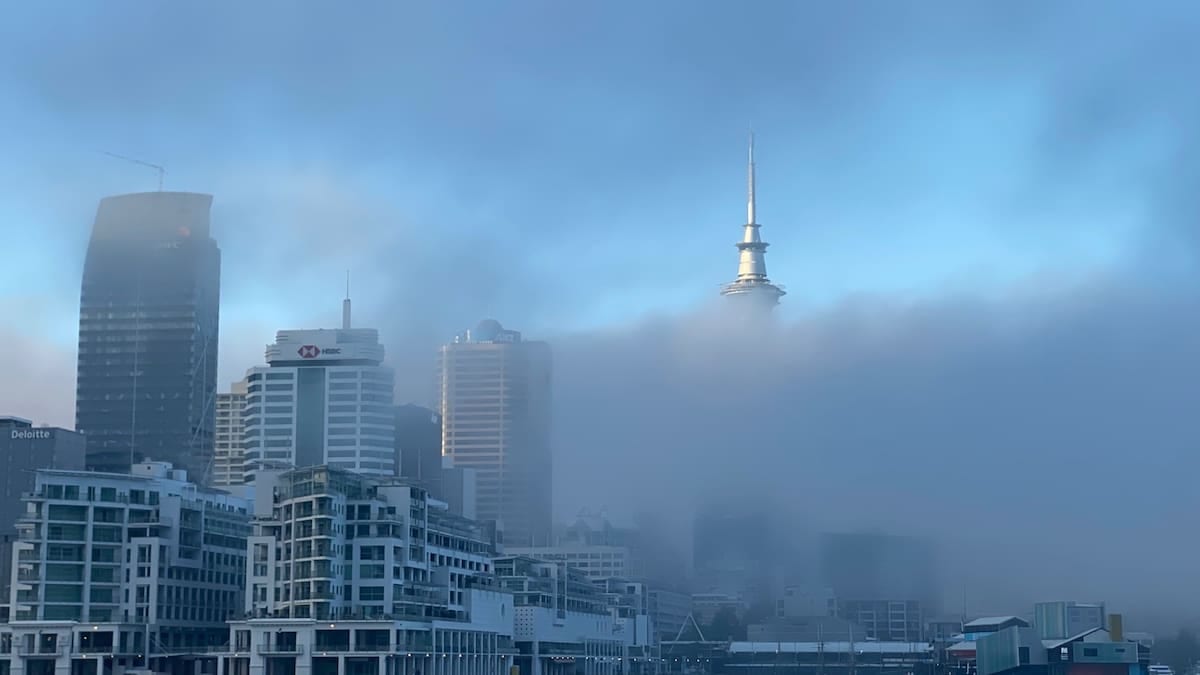
Fog Grounds Aircraft and Closes Gaps in New Zealand’s Network
Heavy fog settling over New Zealand’s main North Island gateways has caused widespread disruption, with domestic and trans-Tasman services among the hardest hit. Operational data and local media reports indicate that approximately 57 flights were delayed, diverted or cancelled as low visibility forced pilots and air traffic controllers to curtail movements at Auckland and Wellington.
Auckland Airport, the country’s busiest international hub, experienced rolling delays as early-morning banks of regional turboprop and jet services were held on the ground. Smaller aircraft are particularly vulnerable to low-visibility rules, creating bottlenecks that can ripple through the rest of the day’s schedule. The impact was magnified at Wellington, where a short, weather-exposed runway has a long history of fog-related constraints.
While conditions gradually improved, the initial wave of disruption created a backlog that required airlines to consolidate services, upgauge aircraft where possible and encourage passengers to shift travel to later in the day or to alternative dates. Publicly available information from aviation tracking services showed multiple Auckland–Wellington and regional flights scrubbed or repeatedly delayed as operators prioritized safety and operational continuity.
Air New Zealand, Qantas and Jetstar Face Operational Jigsaw
Flag carrier Air New Zealand led the response effort within the domestic network, with many of its high-frequency routes among the first to feel the strain. The airline is the dominant operator at Auckland, and its extensive schedule of regional and trunk services meant that even a short window of fog had a pronounced effect on aircraft rotations and crew duty times.
Qantas and its low-cost partner Jetstar also found themselves contending with the weather-imposed constraints. Jetstar’s trunk routes between Auckland, Wellington and other New Zealand cities are typically operated by Airbus A320 aircraft, which are more capable in low visibility than turboprops but still subject to strict minima. Flight-status updates for services such as Auckland–Wellington showed cancellations and rolling delays, underscoring how even a handful of affected departures can reverberate through a tightly timed low-cost schedule.
The complexity increased on the trans-Tasman corridor, where Auckland and Wellington serve as key departure points for flights to Australia. Qantas, Jetstar and Air New Zealand all rely on predictable turnarounds at New Zealand ports to feed passengers into onward connections in Sydney, Melbourne and Brisbane. Fog-related delays in Auckland can therefore create missed connections and rebooking challenges on Australian domestic services, complicating recovery plans for both sides of the Tasman Sea.
United States Now Among Top Affected Origin Markets
The fallout is not confined to local travelers. With Auckland positioned as a long-haul gateway linking North America to New Zealand and the wider Pacific, disruptions at the airport increasingly affect passengers from the United States as well as from traditional core markets in the United Kingdom, Australia, Canada, China and Germany.
In recent years, airlines have expanded nonstop and one-stop links between major US cities and Auckland, integrating these services into global alliance networks and extensive codeshares. Publicly available schedules show Air New Zealand flights marketed jointly with carriers from North America, Europe and Asia, meaning a single delayed or cancelled sector in or out of Auckland can disrupt itineraries spanning multiple continents.
When fog shuts down or severely constrains operations at Auckland, passengers originating in the United States may find that their onward domestic connections within New Zealand, or their continuing legs to Australia and Asia, are no longer viable. This drives additional demand for hotel rooms, alternative routings and, in some cases, full itinerary reissues, adding pressure to airline call centers and airport customer service desks already stretched by local demand.
Wellington’s Weather Exposure Highlights Structural Vulnerabilities
Wellington Airport’s susceptibility to disruptive weather has long been documented in aviation safety and meteorological studies, which note that the city’s location and topography can trap fog and low cloud around the runway. The combination of a coastal setting, surrounding hills and a relatively short runway gives Wellington a narrower operating window in marginal conditions than many comparable airports.
Historical analyses of New Zealand aviation weather patterns point to periods where persistent fog has forced prolonged closures at Wellington and large numbers of cancellations, with one widely cited episode involving several hundred disrupted flights over multiple days. While investment in navigation aids and airport infrastructure has improved resilience, the latest round of fog disruption shows that there are still practical limits on what technology can overcome.
The knock-on effect is particularly acute for airlines that rely on tight turnarounds and high aircraft utilization. Turboprop services that funnel passengers from regional centers into Wellington can quickly become misaligned with onward jet departures, forcing airlines to make difficult decisions about which flights to prioritize once conditions improve.
What Many Travelers Miss About a “Simple” Weather Delay
For passengers, fog-related disruption can feel like an isolated inconvenience: a cancelled morning flight, an unexpected overnight stay or a missed connection. Yet the operational reality is far more complex, especially at interconnected hubs such as Auckland and heavily constrained airports like Wellington.
When visibility drops below required minima, airlines must balance safety, aircraft positioning, crew duty limits and maintenance schedules, all while managing contractual obligations under fare rules and consumer-protection frameworks. A single cancelled rotation can leave an aircraft and crew out of position for subsequent flights, affecting destinations far beyond New Zealand’s shores, including the United States and Europe.
Passenger expectations have also evolved. Travelers are increasingly accustomed to real-time information, proactive rebooking and clear compensation policies, shaped by experiences in markets such as the United States, the European Union and Canada. New Zealand carriers and their partners, including Qantas and Jetstar on trans-Tasman and regional routes, face growing scrutiny over how they communicate and manage disruptions, regardless of whether the root cause is uncontrollable weather or internal operational choices.
The latest fog episode at Auckland and Wellington is another reminder that weather remains one of the most stubborn variables in aviation. For airlines, it is a test of network resilience and customer-care frameworks. For travelers, it is an illustration that what appears to be a local patch of fog can have consequences stretching from New Zealand’s regional airfields to long-haul routes linking the country with the United States, Europe and Asia.