


More news on this day
Dense fog has again disrupted operations at Auckland Airport, with low visibility on Saturday morning leading to fresh waves of delays and cancellations for regional and domestic travelers.
Get the latest news straight to your inbox!
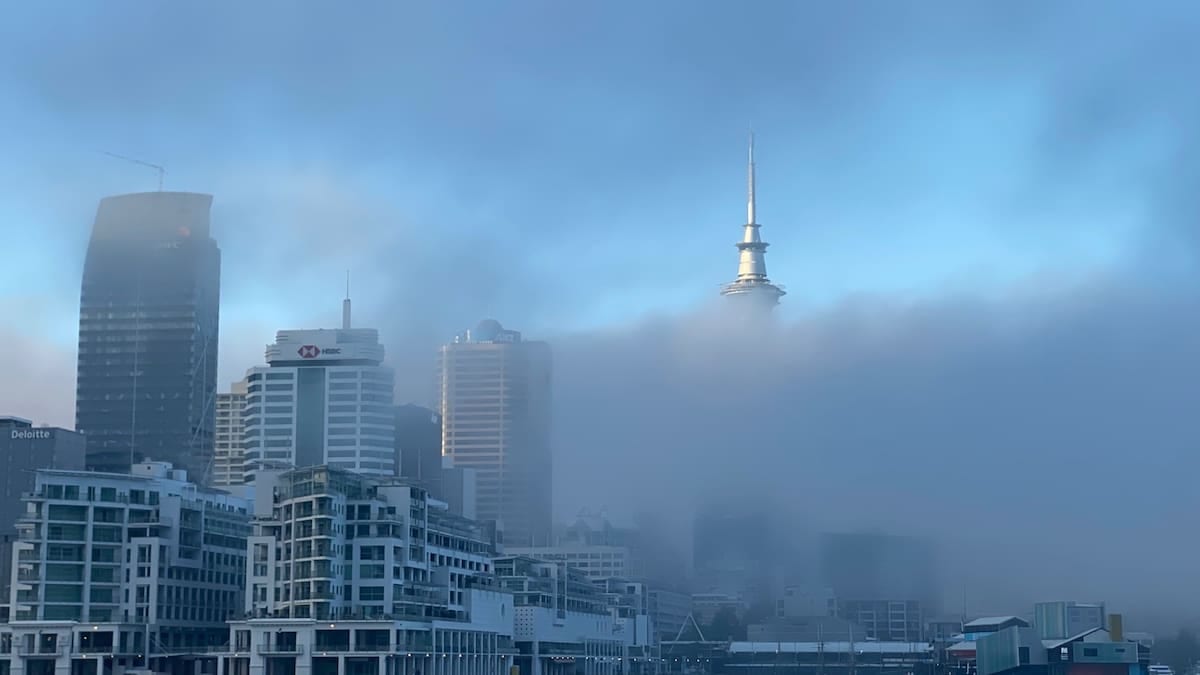
Low Visibility Forces Ground Stops and Schedule Changes
Publicly available weather observations from Auckland Airport on June 13 indicate visibility dropping to around 100 meters at times, with cloud cover sitting just above the runway and humidity near saturation. These conditions have required low-visibility procedures, limiting the rate at which aircraft can land and depart.
Tracking data and local media coverage show that early morning departures were among the hardest hit, with several regional services held at the gate or postponed while inbound flights were placed in holding patterns or diverted during the worst of the fog. Airlines prioritized larger domestic and international aircraft capable of operating in more restrictive conditions, leaving some turboprop services waiting for an improvement in visibility.
By mid-morning, restrictions began to ease as the fog slowly lifted, but knock-on delays continued across the network. Flights that had departed late from Auckland arrived late into regional airports, compressing turnaround times and adding pressure to already tight weekend schedules.
Travelers Face Ongoing Disruptions After Friday Fog Event
The latest disruption follows a separate bout of fog on Friday, June 12, when Auckland Airport experienced a significant reduction in movements and a series of cancellations and delays. Published reports from New Zealand media indicate that more than 50 flights were affected on Friday alone, including dozens of regional cancellations and further delays to domestic and trans Tasman services.
Because many aircraft and crew did not end up where they were scheduled to be on Friday night, airlines entered Saturday with limited flexibility. Some early morning services were already operating with revised departure times before fresh fog again settled around the airfield, compounding the disruption.
For passengers, the combined effect has been longer waits in terminals, missed connections, and the need for rebookings over a busy late autumn travel weekend. Images and accounts shared on social platforms describe crowded departure halls and long lines at airline service desks as travelers sought alternative options.
Why Auckland Is So Vulnerable to Fog Delays
Auckland Airport’s location on low-lying land near the Manukau Harbour, combined with cool overnight temperatures and light winds at this time of year, makes it particularly prone to radiation fog events. Corporate disclosures from the airport operator note that the airfield typically faces fog related disruption on multiple days each year, and that such events can have nationwide impacts due to Auckland’s role as New Zealand’s primary air hub.
When dense fog forms, air traffic controllers move to low visibility operations, using additional spacing between aircraft and stricter limits on arrivals and departures. While modern aircraft and navigation systems can safely operate in poor visibility, there are regulatory thresholds that cannot be crossed, especially for smaller regional aircraft where equipment and runway capabilities may be more limited.
Once the morning departure window is affected, the delays often cascade. A flight that leaves Auckland an hour late is likely to arrive late at a regional airport, shorten ground time, and leave late again on the return leg. This pattern can reverberate throughout the day, even after the weather has improved.
Knock On Effects Across New Zealand’s Domestic Network
The timing of the latest fog disruption is particularly challenging given wider strain across New Zealand’s aviation network. In recent months, the country’s major airports have been handling a recovery in passenger numbers alongside infrastructure works and isolated incidents such as terminal evacuations and diversions at other airports.
With Auckland serving as the main hub for domestic connections, delays there quickly ripple out to destinations such as Wellington, Christchurch and regional centers. Travelers on multi sector itineraries can find that a relatively short initial delay forces missed onward flights, especially in the morning banks of departures when connection times are tight.
Airlines have been adjusting schedules and rostering additional buffer where possible, but high demand and limited spare aircraft mean disruptions of this kind are still keenly felt. Weekend leisure travelers, including those heading to or from events and family gatherings, are among those most affected when flights are rescheduled at short notice.
What Passengers Can Do On Fog Prone Mornings
Publicly available advice from aviation and consumer agencies highlights several steps passengers can take when traveling through airports that are vulnerable to fog. Checking flight status directly with airlines before leaving for the airport, enabling app notifications, and allowing extra time for connections are among the most widely recommended measures.
On mornings when dense fog is forecast around Auckland, travelers on short haul or regional routes may face the highest risk of delay. Booking slightly later departures, where possible, can sometimes reduce exposure to the peak of early morning low visibility conditions. Those connecting to long haul flights are often advised to build in generous buffers or consider traveling to Auckland the previous day.
As skies gradually clear over the city, airlines are working through backlogs, turning aircraft as quickly as safe operations allow, and rebuilding schedules. However, with two days of fog now disrupting operations in succession, lingering delays and occasional cancellations remain likely through the rest of the weekend for some Auckland Airport passengers.