


More news on this day
Thick fog over Auckland has disrupted air travel for a second consecutive morning, with 18 domestic regional flights cancelled and several others delayed as low visibility again restricted operations at Auckland Airport.
Get the latest news straight to your inbox!
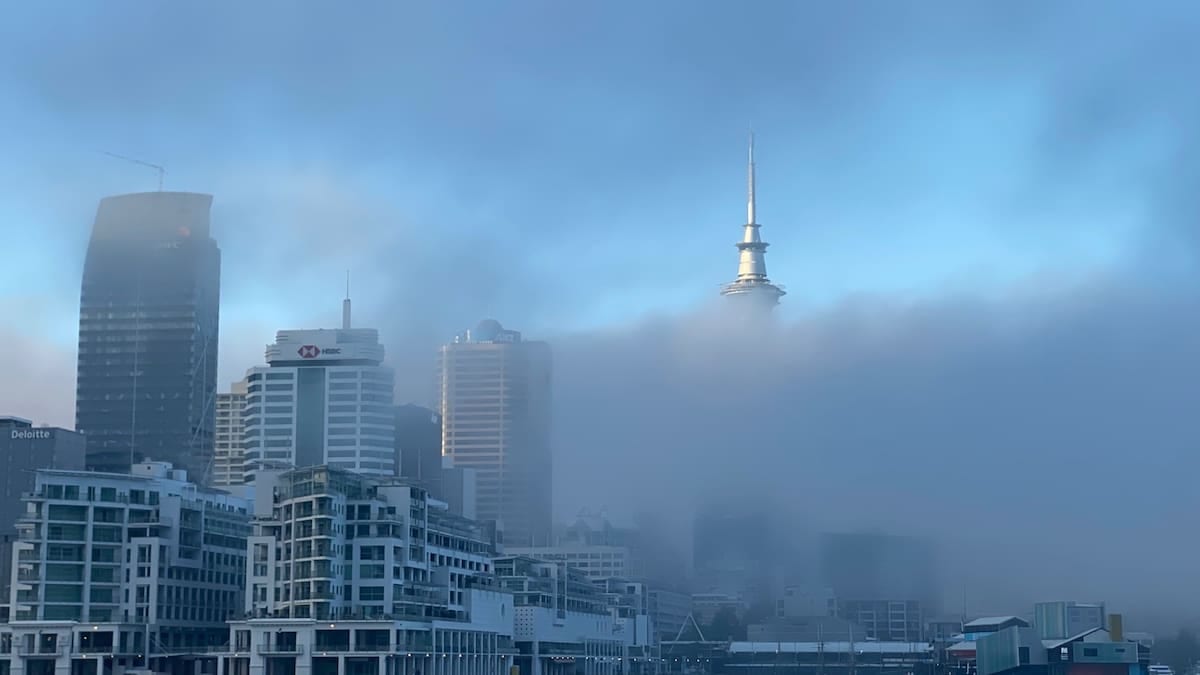
Second Day of Disruption at New Zealand’s Busiest Airport
Publicly available flight information from Auckland Airport shows that 18 domestic services were cancelled during the morning peak as fog settled over the city and surrounding harbours. The affected flights were largely short-haul regional services linking Auckland with smaller centres that rely on early departures and arrivals for business and commuter traffic.
Reports indicate that low cloud and fog developed before dawn and persisted into the late morning, limiting the use of instrument approaches and departures and forcing air traffic control to apply stricter spacing between aircraft. Similar conditions affected the airport the previous morning, creating a rare back-to-back disruption event during what is typically a busy winter travel period.
According to local media coverage, restrictions on movements were put in place in the early hours and gradually eased once visibility improved. While long-haul international operations were less heavily impacted, the concentration of cancellations among domestic regional flights created knock-on effects for aircraft and crew positioning throughout the day.
Passengers Face Delays, Missed Connections and Rebookings
While the total number of services cancelled remained modest compared with the airport’s overall daily schedule, the timing of the disruptions during the morning peak meant that many travellers encountered missed connections and longer journey times. Publicly available coverage from New Zealand outlets describes passengers facing queues at airline service desks as they sought new itineraries and, in some cases, overnight accommodation.
Regional travellers were among the hardest hit. Morning flights to and from centres such as Hamilton, Tauranga and Napier typically feed into onward services from Auckland, and the loss of those early services limited same-day travel options. Some passengers reported via social media that they were unable to reach scheduled business meetings or family events, while others described multi-leg reroutes through alternative cities.
Travel industry commentators noted that winter weather disruptions, when combined with already tight airline schedules, can quickly cascade into wider network challenges. When regional turboprop aircraft are grounded at the main hub in the morning, later flights between provincial centres may also be adjusted as airlines reposition aircraft and crew.
Weather Patterns Behind Auckland’s Dense Winter Fog
Meteorological guidance for the Auckland region highlights that the city typically experiences a cluster of fog events during the cooler months, especially on clear, calm nights when temperatures drop and moisture condenses near the ground. In these conditions, so-called radiation fog can form over land and water, spreading across the Manukau and Waitematā harbours and enveloping the airport precinct.
Climate summaries produced for northern New Zealand indicate that Auckland Airport averages close to twenty foggy nights a year, with several of those intense enough to affect aviation. When such events coincide with peak operating periods, airport movements may be restricted for several hours until the sun rises high enough to break up the low cloud and fog.
Specialist analysis of transport disruption in the region notes that even short-lived visibility drops can have outsized impacts because modern airports run on tight schedules. Once departures are cancelled or significantly delayed, the effects can ripple through the domestic network into the afternoon and evening, particularly on routes where there is limited spare capacity.
Operational Limits and Safety Protocols at Auckland Airport
Information from aviation data providers shows that Auckland Airport typically handles more than 200 flight movements per day under normal conditions, serving both international long-haul routes and a dense web of domestic services. The airport’s runways and navigation systems are designed to support instrument flight operations, but there are minimum visibility thresholds that must be met before aircraft can land or take off.
When dense fog pushes visibility below those thresholds, or when it fluctuates rapidly, takeoffs and landings are slowed or temporarily suspended. Airlines and air traffic managers then balance the need to maintain schedules with the requirement to keep safe separation between aircraft on final approach and during departure.
Aviation safety material related to New Zealand airports stresses that conservative operational decisions during fog events are standard practice. For passengers, this can mean last-minute cancellations or extended holding patterns for inbound flights while conditions are reassessed. Although frustrating for those affected, safety protocols are designed to prevent runway incursions or unstable approaches in marginal conditions.
What Travellers Can Do During Fog-Related Disruptions
Travel advice circulated by airlines and consumer organisations in New Zealand consistently encourages passengers to monitor flight status closely during the winter months. Mobile apps and online departure boards are typically updated in near real time, allowing travellers to delay their journey to the airport if restrictions are in place.
Consumer guidance also notes that when cancellations are caused by weather, they are generally considered outside an airline’s control under New Zealand’s civil aviation and consumer rules. In such cases, carriers usually focus on rebooking passengers on the next available service rather than providing compensation, although policies vary by airline and fare type.
For future trips, frequent flyers in the region often recommend allowing generous connection times during winter, particularly when an itinerary depends on early-morning regional flights feeding into long-haul departures from Auckland. While the current pair of foggy mornings has been disruptive, historical data suggests that such back-to-back events remain relatively uncommon, even at this time of year.