


More news on this day
Travellers across Australia and New Zealand are facing mounting cancellations and lengthy delays as a mix of dense fog, air traffic control constraints, and airline resourcing pressures disrupt departures from Sydney, Melbourne, Auckland, and a string of regional gateways.
Get the latest news straight to your inbox!
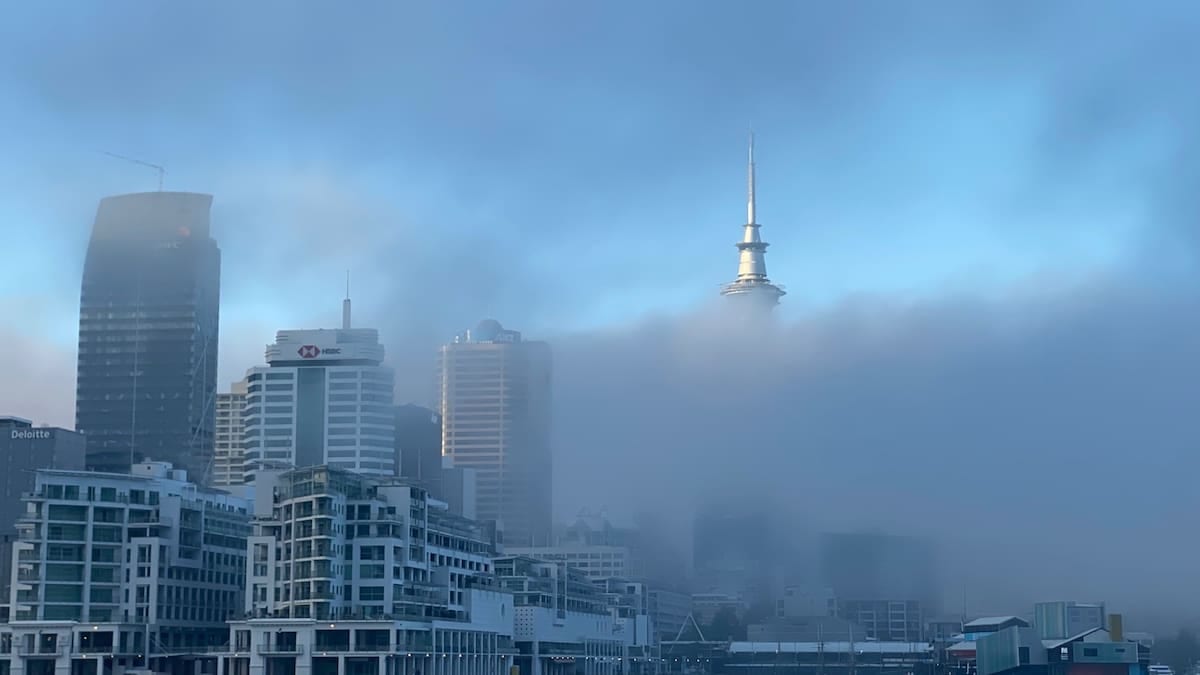
Weather and Airspace Constraints Hit Major Hubs
Recent days have seen thick winter fog settle over parts of New South Wales and Victoria, periodically reducing visibility around Sydney and Melbourne airports. Publicly available flight tracking data shows early-morning and late-evening departures bearing the brunt, with aircraft unable to take off or land until conditions improve. When operations resume, backlogs often cascade through the rest of the day’s schedule.
In Auckland, social media posts and local coverage point to several weekends of low cloud and fog causing multiple waves of disruption, with smaller regional aircraft particularly affected. While larger jets equipped for low-visibility approaches can often continue operating, turboprop services linking Auckland to smaller centres in the North Island have experienced higher rates of delay and cancellation.
Air traffic control staffing limits are compounding these weather issues. Industry and regulator reports in Australia have highlighted ongoing controller shortages and the need for carefully managed traffic flows during peak periods. When combined with adverse weather, this can quickly trigger ground delays that ripple through departures from Sydney and Melbourne to New Zealand and to regional airports.
Airlines operating between the two countries are also juggling tightly scheduled aircraft rotations. With many jets flying multiple sectors each day between Sydney, Melbourne, Auckland and secondary cities, a single early-morning delay can disrupt several subsequent flights, resulting in missed connections and last‑minute rebookings for passengers.
Cancellations Spread to Regional Gateways
Beyond the big hubs, regional gateways across both countries are reporting heightened vulnerability to the current pattern of disruptions. Airports in New South Wales, Victoria, Queensland and across regional New Zealand often have shorter operating hours, limited ground handling capacity and fewer daily services, meaning cancelled flights cannot always be quickly replaced.
Publicly available performance data from competition and consumer reports in Australia indicates that smaller city pairs have at times recorded higher cancellation percentages than trunk routes. On sectors such as Canberra to Melbourne and other short domestic links, airlines have previously recorded cancellation rates several points above the national average during months of heightened disruption.
In New Zealand, community forums and local media coverage describe passengers in centres such as Queenstown, Wellington and regional North Island airports facing last‑minute changes when fog, high winds or low cloud affect their routes to Auckland or Christchurch. On days when conditions deteriorate quickly, aircraft can be diverted to alternative airports, leaving travellers reliant on replacement buses or overnight accommodation.
Because many regional destinations are served by just a handful of flights per day, a single cancellation can mean long waits for the next available seat. Travellers without flexible tickets or travel insurance are reporting higher out‑of‑pocket costs as they seek last‑minute alternatives on already busy services.
Airlines Balance Recovery Schedules and Reliability
The current wave of disruption comes as airlines across Australia and New Zealand continue adjusting capacity after several years of volatile demand. Public financial and operational reports from carriers in both markets outline ambitions to rebuild networks while grappling with aircraft availability, maintenance cycles and crew rostering.
Analyses by competition regulators and aviation consultancies show that, even as total flight numbers recover, reliability has at times lagged behind. In some months over the past year, published data indicates that cancellation rates on key domestic routes have climbed above long‑term norms, driven by a combination of weather, operational and staffing factors.
On trans‑Tasman routes linking Sydney, Melbourne and Brisbane with Auckland, Wellington and Christchurch, the generally high frequency of services provides more options for rebooking than in regional markets. However, when disruption hits during school holidays or long weekends, publicly available booking data suggests spare seats can quickly disappear, leaving some passengers stranded for 24 hours or more.
Aviation analysts note that airlines are walking a tightrope between restoring capacity to meet strong leisure and visiting‑friends‑and‑relatives demand, and maintaining sufficient buffers in aircraft and crew availability to absorb shocks. With many fleets operating close to full utilisation, a mechanical issue or weather‑related diversion can have knock‑on effects that last well beyond the day of the initial problem.
What Travellers Are Experiencing on the Ground
Recent social media posts and travel forums from passengers in Sydney, Melbourne and Auckland describe crowded terminals, long queues at service desks and confusion over rebooking options when multiple flights are cancelled at short notice. Some travellers report spending several hours on board aircraft waiting for updated departure slots during fog or flow‑control restrictions before flights are eventually delayed further or returned to the gate.
In Auckland, anecdotal accounts from affected passengers in June and early July describe early‑morning departures grounded by fog, forcing onward connections to be rebooked and prompting a scramble for remaining hotel rooms near the airport. Similar stories have emerged from Melbourne and Sydney during periods of low visibility or air traffic control restrictions, with some travellers resorting to overnight coach or train journeys when domestic connections fall through.
Reports also highlight the growing reliance on airline apps and digital notifications to stay informed. While many passengers acknowledge that real‑time updates are improving, others note that information about compensation, accommodation and meal entitlements can be harder to obtain, particularly when disruptions are attributed to weather or external constraints.
Travel advisers recommend that passengers build additional buffer time into itineraries that rely on domestic connections to or from long‑haul international flights. With winter weather and resourcing challenges likely to persist in the short term, those with critical connections through Sydney, Melbourne or Auckland are being urged, in publicly available guidance, to consider arriving a day earlier where possible.
Outlook for the Remainder of the Southern Winter
Forecasts from meteorological agencies in both countries indicate that further episodes of fog, low cloud and strong winds are likely as the southern winter progresses. Historically, July and August bring some of the most challenging operating conditions for airports in coastal and alpine regions, especially around Wellington, Queenstown and parts of New South Wales and Victoria.
Infrastructure operators and airlines have signalled through public statements and operational updates that they are investing in systems and procedures designed to improve resilience. These include enhanced low‑visibility procedures, improved scheduling tools to manage peak periods, and expanded customer communication through digital channels when irregular operations occur.
Nevertheless, analysts caution that there is no quick fix for the combination of weather, airspace capacity and staffing pressures affecting the region. While on‑time performance can improve during more settled periods, the underlying vulnerabilities mean that clusters of cancellations and delays are likely to remain a feature of travel across Australia and New Zealand’s domestic and trans‑Tasman networks this winter.
For travellers planning upcoming trips, publicly available consumer advice consistently stresses the importance of checking flight status regularly, allowing extra time for connections, and considering flexible fares or comprehensive travel insurance. With disruption concentrated around major hubs such as Sydney, Melbourne and Auckland, decisions made at the planning stage may prove crucial in reducing stress when the next round of delays hits departure boards.