


More news on this day
The UK Foreign, Commonwealth and Development Office has issued updated travel alerts covering 16 countries across and around the Middle East, reflecting what public travel advisories describe as a highly volatile security environment and the risk of sudden escalation affecting air travel, tourism and business trips.
Get the latest news straight to your inbox!
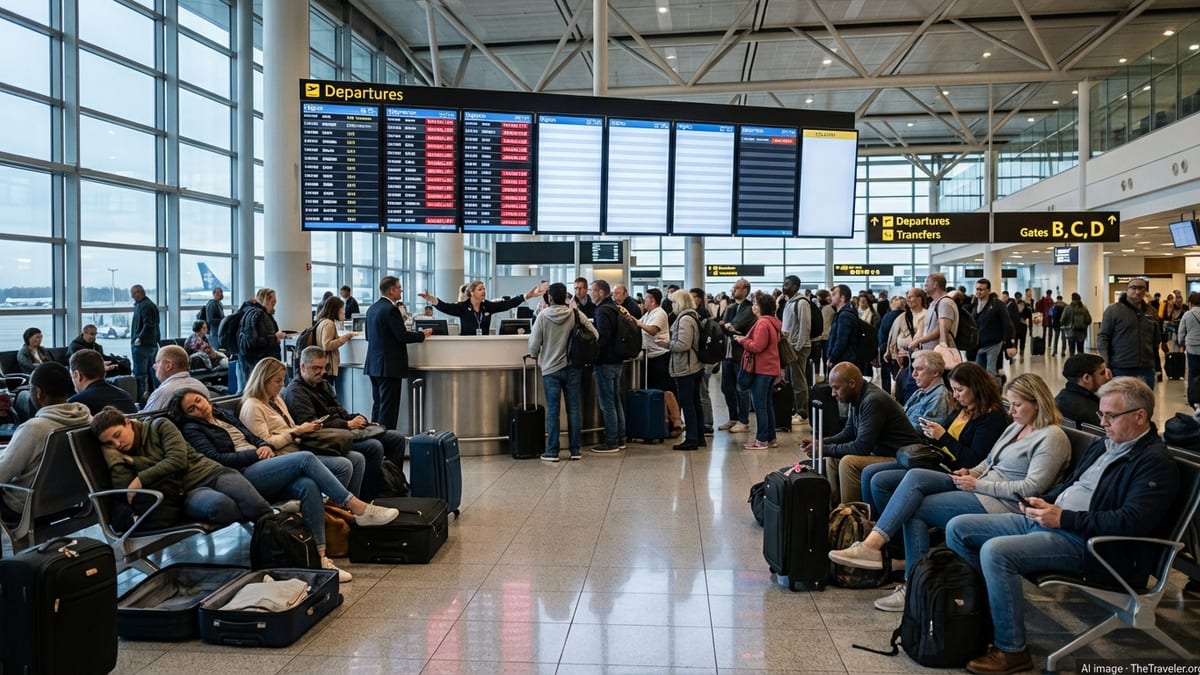
Expanded list of 16 countries under heightened caution
According to publicly available Foreign Office travel advice updated in late October 2026, the latest alert now applies to a broad sweep of 16 states in and around the Middle East. Reports indicate that the current list includes Israel, the Palestinian territories, Iran, Iraq, Syria, Yemen, Saudi Arabia, Jordan, Qatar, Bahrain, Kuwait, Oman, the United Arab Emirates, Egypt, Turkey and Pakistan.
Advisories vary by country, but many now include warnings against all travel to areas affected by ongoing hostilities or cross-border attacks, and against all but essential travel to other regions where the security situation is described as deeply unpredictable. Recent updates for Saudi Arabia, for example, advise against all travel within 10 kilometres of the Yemeni border and against all but essential travel to the rest of the country, reflecting concerns over missile and drone attacks as well as the possibility of further retaliatory strikes.
Several of the countries named in the renewed alert, including Israel, Iran, Iraq, Syria and Yemen, already carried some of the UK’s strongest warnings before the latest revision. The new guidance consolidates earlier measures and brings more popular tourism and transit hubs, such as Turkey, the UAE and Egypt, into a single region-wide framework of heightened caution, signalling that risks are no longer viewed in isolation country by country.
Other governments and travel bodies have issued parallel notices over recent months in response to the same security picture, underlining that travellers from many nations may face similar limitations on movement, flight availability and insurance cover when planning journeys that involve the wider Middle East.
Security concerns driving the refreshed guidance
Published coverage of the latest Foreign Office stance links the renewed alert to a series of military exchanges and proxy attacks that have taken place across the region during 2026. Reports describe continued strikes on energy infrastructure, shipping lanes and US-related facilities, as well as cross-border missile and drone activity that has periodically affected airspace and prompted emergency diversions or cancellations.
Travel industry analyses note that airspace closures or restrictions have at various times affected Iran, Israel, Qatar, Bahrain, Kuwait, Iraq, Syria and the UAE this year, forcing airlines to reroute long-haul services or suspend operations altogether on short notice. This pattern of disruption has made it more difficult for governments and carriers to provide firm assurances about the reliability of flight schedules in and around the region.
Advisories also reference the possibility of large public gatherings, protests and sudden changes in local security measures, including curfews or checkpoints, in multiple countries on the list. Public information emphasises that such developments can occur with little warning and may be accompanied by internet or mobile network outages, complicating efforts to contact consular assistance or rearrange travel plans.
While the wording and trigger points vary between individual country pages, the overall message from the latest round of updates is that conditions remain fluid, with the potential for incidents in one state to have immediate knock-on effects for neighbouring territories and regional air corridors.
Practical implications for holidaymakers and business travellers
The expanded Middle East alert has direct consequences for travellers departing from or transiting through the UK. Consumer and insurance guidance indicates that visiting a destination against explicit Foreign Office advice can invalidate many standard travel insurance policies, particularly for claims related to trip cancellation, delay, medical evacuation or emergency assistance arising from security incidents.
Travel trade organisations report that tour operators and agents are closely monitoring the evolving situation and cross-checking itineraries against the latest official advisories. Some package holidays and corporate trips involving high-risk areas have been postponed, rerouted or refunded, while journeys to countries where the advice is limited to specific border zones are in some cases proceeding with additional contingency planning.
Airlines serving major hubs such as Dubai, Abu Dhabi, Doha, Jeddah, Riyadh, Istanbul and Cairo have periodically adjusted timetables, aircraft routings and onward connections in response to regional developments. Industry briefings state that passengers may face longer flying times on certain routes due to detours around restricted airspace, as well as last-minute changes to departure times or transit arrangements.
For travellers whose plans involve multiple stops, the renewed alert underlines the importance of checking not only the final destination but also every scheduled transit point. A routing that appears straightforward when booked can quickly become complicated if one of the intermediate countries tightens its entry rules, restricts airport access or experiences new security incidents.
Official advice for those already in the region
Publicly available Foreign Office information stresses that individuals already in any of the 16 affected countries should keep their travel documents and contact details up to date and follow the specific guidance set out for the location they are in. Country pages highlight the value of maintaining flexible travel arrangements, having access to additional funds and keeping essential supplies, medication and copies of key documents readily accessible.
British nationals in selected states, including Bahrain, Israel, Kuwait, Qatar and the United Arab Emirates, are currently able to register their presence with the UK government to receive direct updates on any significant changes to local travel advice. Similar registration or alert systems are offered by several other countries for their own citizens, and international travellers are being encouraged by multiple governments to make use of these channels where available.
Travellers are also advised by official guidance and industry bodies to stay in close contact with their airline, tour operator and accommodation provider. These organisations are often the first to implement operational changes in response to new restrictions or security incidents and may be able to offer rebooking options or alternative routes when disruptions occur.
In higher-risk locations, public advice highlights the need for heightened personal security awareness. This includes limiting unnecessary movements, avoiding known protest sites or sensitive government and military areas, and ensuring that friends, family members or employers are aware of current plans and able to make contact through more than one communication channel.
Key steps for those planning upcoming travel
For those considering trips that involve any of the 16 countries named in the latest alert, travel specialists and official advisories recommend adopting a more cautious planning approach than would normally be required. This begins with checking the most recent Foreign Office country guidance immediately before booking and again shortly before departure, as risk assessments and restrictions can change at short notice.
Prospective travellers are being encouraged to review the fine print of travel insurance policies to confirm whether cover is available for destinations subject to “all but essential travel” warnings and to clarify what constitutes essential reasons. Some policies explicitly exclude destinations where such advisories are in place, while others may require pre-approval or additional premiums for travel to higher-risk regions.
Where possible, travel industry briefings suggest favouring fully flexible or refundable fares and accommodation options, particularly for trips scheduled several weeks or months in advance. Using routings that allow for alternative transit points outside the area covered by the alert can also provide useful backup options if certain airspace or airports become unavailable.
Above all, the renewed Foreign Office alert underlines that journeys across and around the Middle East currently demand more preparation, flexibility and tolerance for last-minute change than in previous years. Travellers who stay informed, build in contingency plans and engage proactively with airlines, agents and insurers are likely to be best placed to adapt as the regional situation continues to evolve.