


More news on this day
South Shore Line commuter rail service between Chicago and northwest Indiana was brought to a standstill after a freight train derailed near shared tracks, triggering a power loss that halted passenger operations and left hundreds of riders seeking alternate transportation.
Get the latest news straight to your inbox!
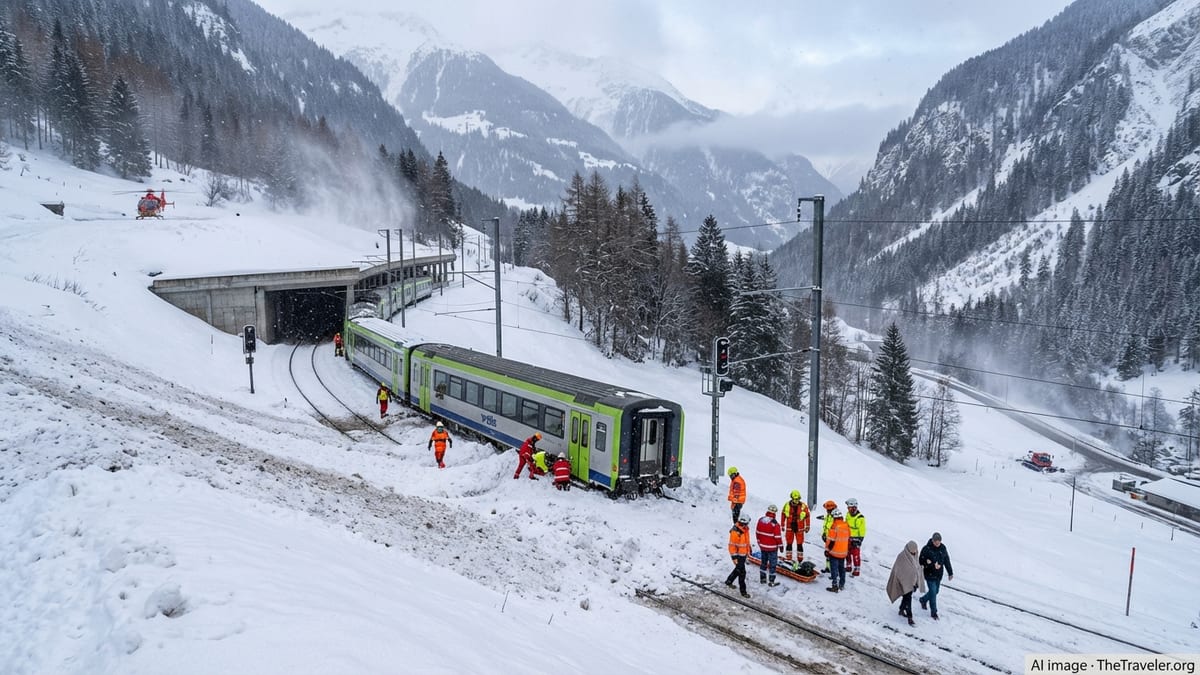
Freight derailment and power failure stop commuter trains
Published coverage indicates that a freight train left the tracks on a corridor shared with the South Shore Line, damaging infrastructure and contributing to a loss of electrical power that forced the suspension of commuter service. The incident occurred on a weekday during peak travel times, abruptly shutting down trains running between Chicago’s Millennium Station and communities across northwest Indiana.
Reports from regional outlets and social media posts by riders describe a sudden halt to South Shore Line operations as signals and overhead power systems were disrupted. With trains unable to move safely through the affected section, the line suspended service while freight and commuter rail crews inspected tracks, wiring, and support structures.
Early indications suggest that derailed freight cars came into contact with or close proximity to power and signal equipment, prompting an automatic shutdown of systems designed to prevent additional rail movements. While no serious injuries were reported in the freight incident, the disruption rippled quickly through the passenger network.
Railroad operators have not yet provided a detailed public timeline for the sequence of the derailment and power loss, but available information points to a combined infrastructure and electrical event serious enough to halt all South Shore Line trains for several hours.
Passengers face delays, crowded platforms and scarce alternatives
The suspension of South Shore Line trains left many riders stranded at downtown Chicago terminals and suburban stations along the route. Commuters described packed platforms, long taxi lines, and crowded buses as travelers tried to improvise routes home using Chicago Transit Authority services, Metra trains, and highway rideshares.
Some passengers reported announcements indicating that no South Shore Line trains were expected for the morning rush, prompting office workers and students to pivot to remote options or delay travel altogether. Others already en route were held in trains that came to a stop just short of the affected area, before being turned back or offloaded.
Because the South Shore Line connects dense employment hubs in Chicago with communities stretching toward South Bend, even a partial shutdown can significantly affect daily routines. A full suspension of service, combined with limited bus substitution options, created congestion on parallel expressways and local roads as commuters opted to drive.
According to publicly available performance reports for the South Shore system, freight conflicts and power-related incidents have previously caused significant delays. The latest derailment and power loss underscore how disruptions on shared freight corridors can quickly translate into travel headaches for thousands of people.
Inspections, recovery work and gradual restoration of service
Following the derailment, freight railroad maintenance teams and South Shore Line crews concentrated on re-railing affected cars, clearing debris and examining track conditions. Published coverage notes that in comparable Midwest derailments, crews typically spend many hours stabilizing equipment, removing damaged cars and running detailed inspections before any passenger trains are allowed through.
Power restoration requires a separate phase of work. Once freight cars are removed, technicians must verify the condition of overhead wires, power transmission lines and signal systems, then progressively re-energize sections of the route. Any damage to support poles or gantries, or to signal bungalows along the line, can extend the outage and delay the return of normal operations.
Railroads often restart service in stages in the wake of an incident like this, first running limited trains through the area at reduced speeds while continued inspections take place. Riders are frequently advised to expect residual delays and less frequent departures even after the first trains resume, as dispatchers work through a backlog of equipment and crews that were displaced during the shutdown.
Publicly available South Shore Line performance summaries show that similar infrastructure issues in recent years have led to partial annulments and lengthy single-track operations. The scale of the current freight derailment and associated power loss suggests that full schedule normalization may lag behind the initial restoration of through service.
Freight and commuter rail share tight Chicago-area corridors
The incident highlights the operational complexity of the Chicago and northwest Indiana rail network, where heavy freight traffic shares space with multiple commuter and intercity passenger lines. The South Shore Line runs on its own right of way in some areas, but in others parallels or intersects major freight routes used by national rail carriers moving goods in and out of the Chicago hub.
When a freight train derails in these shared or adjacent corridors, the consequences often extend far beyond the immediate freight operation. Damage to tracks, catenary wires or signal systems can force passenger operators to suspend service, while grade crossing blockages and road closures disrupt drivers and local bus routes.
Recent freight derailments elsewhere in the Midwest have produced similar patterns of disruption, with commuter lines temporarily shut down while investigations and repairs proceed. Even when hazardous materials are not involved and injuries are avoided, the logistical task of clearing multiple derailed cars and verifying infrastructure can require extended closures.
For the South Shore Line, which recently expanded its reach with new stations into communities such as Munster and Dyer, the latest interruption serves as a reminder that capacity gains can still be constrained by incidents on nearby freight trackage, especially where dedicated passenger alignments remain limited.
What travelers can expect in the coming days
As recovery work advances, passengers are likely to see a phased return of South Shore Line service. Publicly available information from past disruptions suggests that the first step is often the resumption of limited rush-hour trains, followed by a gradual rebuilding of off-peak and weekend schedules once infrastructure is fully certified for regular speeds.
Riders may continue to experience crowding, altered stopping patterns and rolling delays as the operator repositions railcars and crews and as dispatchers manage traffic through any remaining single-track segments near the derailment site. Some trains may bypass certain stations or operate with longer travel times than usual while work zones remain in place.
Commuters who rely on the South Shore Line are being encouraged, through public advisories and media coverage, to check for service updates before leaving home, consider flexible work arrangements where possible and allow additional travel time. For travelers with flights from Chicago airports or time-sensitive connections, alternative routes on other rail services, intercity buses or highways may be advisable until full reliability returns.
In a region where many workers depend on the South Shore Line as a daily cross-state link, the freight derailment and power loss underline the vulnerability of key transport corridors. The episode is likely to feed ongoing discussions about investing in more resilient infrastructure, additional grade separations from freight lines and modernized power and signal systems designed to reduce the impact of future incidents.