


More news on this day
A rare red heat alert has been extended across large parts of England as extreme temperatures grip the country, triggering widespread disruption on the Great Western Railway network and prompting operators to warn passengers to travel only if absolutely necessary.
Get the latest news straight to your inbox!
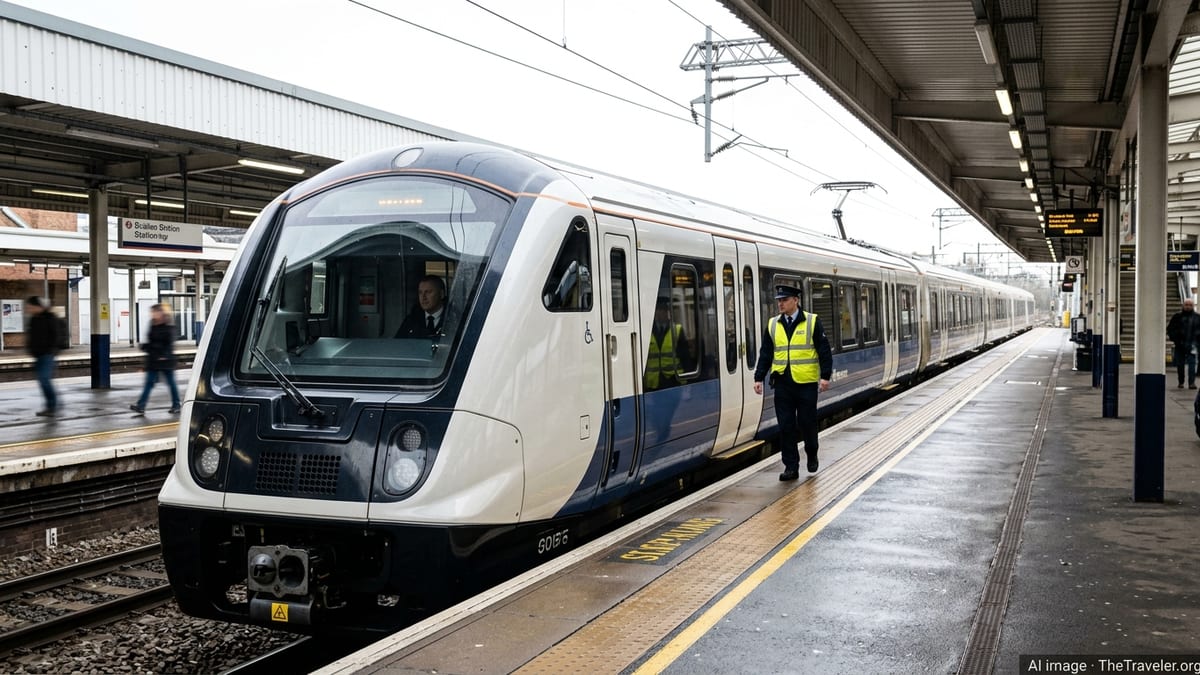
Red heat alert extended as temperatures stay dangerously high
Publicly available forecasts show that red heat health alerts now cover much of southern and central England, including London, the South East, the South West and the Midlands, with amber alerts in place further north. The alerts, issued in parallel with a rare red warning for extreme heat, are in force through at least Friday, reflecting ongoing concern that high temperatures could pose a risk to life and strain key services.
Meteorologists expect daytime highs to remain widely above 30C, with some locations in London and East Anglia projected to reach the mid-30s. While marginally lower than earlier in the week, these values remain well above seasonal norms for late June and are sufficient to keep health and infrastructure risks elevated.
The red alert classification signals that impacts are likely to extend beyond those considered vulnerable to heat, with healthy and active people also at increased risk if they fail to take precautions. Health agencies are advising people to stay hydrated, avoid strenuous activity in the hottest part of the day and look out for signs of heat-related illness.
Local authorities and emergency services are reporting pressure on healthcare, with hospitals and care providers preparing for continued high demand. Public guidance stresses the importance of checking on older people, those with chronic medical conditions and anyone living in poorly ventilated accommodation.
GWR trims timetable and warns of cancellations
Great Western Railway has introduced an amended timetable across its network in response to the extreme heat, with publicly available travel updates indicating that services may be cancelled, delayed or revised at short notice. The operator states that the changes are designed to keep trains moving safely while reducing the risk of infrastructure damage.
The revised service pattern affects key intercity routes linking London Paddington with the Thames Valley, the West Country, South Wales and the South West, as well as commuter and regional lines. Network information shows fewer trains than usual on several corridors and extended journey times as speeds are reduced.
GWR has advised customers through its online channels to make essential journeys only on the hottest days, warning that published timetables may not fully reflect the disruption until the day of travel. Passengers are being urged to check live updates before setting out and to allow additional time for connections, particularly where multiple operators are involved.
Industry guidance notes that passengers with flexible tickets may be able to travel at different times, and some operators are relaxing restrictions so that journeys can be made earlier in the day when track and air temperatures are lower. However, rail users are being told to be prepared for late-running services and possible last-minute cancellations.
Why high temperatures are so disruptive to rail travel
Rail engineers highlight that prolonged high temperatures pose a particular challenge for steel rails and overhead power equipment. Technical notes on rail resilience explain that as temperatures climb, rails can expand and lose the tension they are designed to hold, increasing the risk of buckling on curves and at points.
To manage this risk, infrastructure managers routinely impose speed restrictions during extreme heat, especially on exposed sections of the network. Slower speeds reduce the forces exerted on rails and points but lengthen journey times, which in turn reduces network capacity and can cause knock-on delays across multiple routes.
Overhead power lines can also expand and sag in hot weather, heightening the risk of contact loss or damage if trains pass at normal speeds. In addition, equipment such as signalling cabinets and lineside transformers can overheat, while air conditioning units on older rolling stock may struggle or fail in sustained high temperatures.
These combined factors mean that a rail system already operating close to capacity can quickly become constrained during a heatwave. Rail planners therefore typically respond by reducing service frequencies and building in extra recovery time so that the network can continue to operate, albeit with reduced reliability.
Passenger advice across the GWR network
Public-facing travel advice from GWR and other rail operators during the current heatwave focuses on preparation and flexibility. Passengers are encouraged to check live journey planners on the day, sign up for disruption alerts and consider retiming or rerouting trips if their plans are not time-critical.
Guidance also emphasises personal comfort and safety. Travellers are advised to carry water, wear light clothing and be cautious about boarding crowded services, which can become uncomfortable when air conditioning is under strain. Those who feel unwell at stations are urged to seek assistance rather than board a train in the hope of completing their journey.
For passengers who must travel, rail operators suggest travelling earlier in the morning or later in the evening where possible. These periods generally offer cooler conditions both on trains and at stations, lower track temperatures and a reduced chance of heat-related faults emerging while services are in motion.
Industry information indicates that ticket easements may be in place on some routes, allowing passengers to use their tickets at different times or on alternative services. However, policies vary between operators, so travellers are being told to consult the latest guidance from their specific train company before they set off.
Outlook for the coming days
Forecasts suggest that the peak of the heatwave may ease slightly over the weekend, but temperatures are expected to remain above average in many areas. The red heat alert is due to be reassessed as conditions evolve, and amber alerts could persist even after the most intense heat subsides.
Transport planners are preparing for a gradual return to normal timetables once track and air temperatures fall, but publicly available statements caution that residual disruption could continue for a period. Inspections and any necessary repairs to heat-affected infrastructure may require temporary restrictions even as the broader weather pattern becomes less extreme.
For now, passengers on the Great Western network and other affected routes are being urged to treat the coming days as a period of higher-than-usual risk of disruption. Those with flexibility to postpone or reroute journeys are being encouraged to do so, while those who must travel are advised to plan carefully and expect longer journey times.
With climate projections pointing to more frequent and intense heat events in the UK in the years ahead, transport and health planners are using the current episode as another test of how infrastructure, services and public messaging cope when temperatures far exceed historical norms.