


More news on this day
British holidaymakers heading overseas this summer are being urged to review official travel advice and tighten their preparations, as fresh updates from the UK government highlight rising geopolitical tensions, extreme weather and new administrative hurdles across popular destinations.
Get the latest news straight to your inbox!
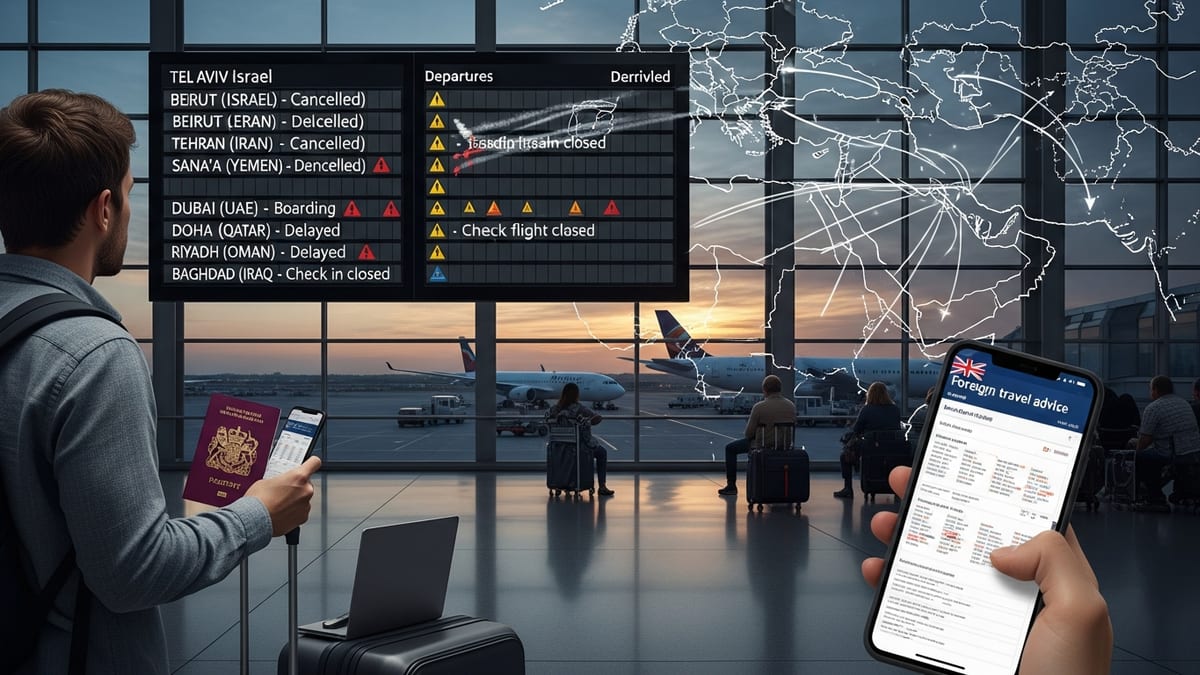
Global security updates widen list of high‑risk destinations
Recent updates to the Foreign, Commonwealth and Development Office’s (FCDO) travel guidance have left a growing list of countries and regions where trips are considered higher risk. Publicly available information shows that the department now advises against all travel or all but essential travel to a larger number of states than in previous summers, reflecting ongoing conflicts, terrorism concerns and political instability.
Reports indicate that parts of the Middle East, North and West Africa and Eastern Europe remain on the strictest warning levels, with advice either to avoid all travel or to visit only if essential. Separate coverage has highlighted that travellers who ignore this guidance may find their insurance policies significantly restricted, particularly for medical treatment and repatriation if something goes wrong.
Specialist travel media note that the government’s warning system is being adjusted more frequently as crises flare up or ease. This means countries can move on or off the “do not travel” lists with little notice, and those booking last‑minute summer getaways are being encouraged to check the advisory level again shortly before departure as well as at the time of booking.
Consumer groups are also reminding travellers that package holiday firms and airlines may cancel or alter itineraries if official warnings are tightened. In some cases, this can trigger refund or rebooking rights, but only if the destination is formally covered by stronger wording such as advice against all but essential travel.
New spotlight on Cuba and regional flashpoints
Among the latest changes attracting attention is an updated warning on travel to Cuba. The FCDO now advises against all but essential travel to the Caribbean island, citing ongoing economic difficulties, frequent power outages and fuel shortages as key background risks. Public advice also notes the potential for protests and disruption in major cities.
Travel industry analysis suggests the move could affect thousands of British holidaymakers who traditionally visit Cuba during the late summer and autumn seasons. Tour operators are reviewing itineraries and some are expected to contact customers with options to rebook to alternative Caribbean destinations where the risk level is assessed as lower.
Elsewhere, the advisory for Jordan underlines that some border areas are considered too dangerous to visit due to regional instability. Although the country remains a popular stop for cultural and adventure tourism, parts of its territory are now subject to advice against all travel. Travellers are being urged to pay close attention to internal maps and region‑by‑region guidance rather than assuming an entire country is covered by a single level of warning.
Commentary from travel risk consultants stresses that such granular advice is becoming more common as conflicts and security concerns affect specific provinces, border zones or transport corridors. For British tourists, that makes it more important to understand exactly where a planned resort, road trip or excursion sits in relation to any restricted areas.
Transport disruption, passport rules and insurance gaps
Travel warnings for summer 2026 are not only about security and unrest. Recent updates also flag practical complications ranging from rail disruption to tighter entry rules and new health‑related checks.
Guidance covering the Netherlands, for example, highlights significant disruption on services between Britain and the country, with Eurostar advising passengers not to attempt to travel on certain dates. Holidaymakers booking multi‑country itineraries that rely on high‑speed rail are being advised to confirm schedules with operators, build in more time for connections and have backup plans for reaching onward flights or cruises.
At the same time, British travellers are facing stricter scrutiny of passports and supporting documents in many destinations. Commentaries on European travel this summer emphasise that some airports are already warning of longer queues at border control, particularly where new digital entry and exit systems are being phased in. For UK citizens, this adds to existing requirements on minimum passport validity for Schengen‑area trips and may cause problems for those arriving with nearly expired documents.
Insurance remains a recurring theme throughout the updated advice. Public information from government and local authorities reiterates that travelling against FCDO guidance can invalidate parts of a policy, especially when visiting areas under “do not travel” or “all but essential travel” warnings. Travellers are being encouraged to read policy wording carefully, ensure it covers existing medical conditions, and check that any adventure activities, car hire or cruise segments are specifically included.
Heatwaves and climate risks reshape European summer breaks
Alongside security and logistics, extreme weather is emerging as a central concern for British travellers in 2026. Meteorological services and climate experts are signalling the likelihood of further intense heat events across southern Europe and potentially the UK itself during July and August, following record‑breaking temperatures in recent years.
Travel commentators warn that popular Mediterranean destinations, including parts of Spain, Greece and Italy, are already contending with earlier and longer heatwaves, as well as increased risks of wildfires. News features from previous summers have documented evacuations from resorts, flight diversions and temporary closures of cultural sites during the hottest parts of the day, trends that may recur this year.
Public safety advice encourages tourists to rethink how they structure their days abroad, with more indoor or shaded activities during peak afternoon heat, and to take precautions such as staying hydrated, using high‑factor sun protection and watching for signs of heat exhaustion, particularly among children and older travellers. Hotels and tour operators in high‑risk areas are also placing greater emphasis on cooling facilities and contingency plans if outdoor attractions need to close.
Environmental groups and some travel analysts argue that these changing conditions could gradually shift British holiday patterns, with more travellers opting for cooler coastal regions, higher altitudes or shoulder‑season trips in spring and autumn. For now, however, the bulk of British demand for overseas breaks remains focused on the July and August peak, when temperatures are increasingly likely to be at their most extreme.
What British travellers are urged to do before they go
Across the latest advisories, a consistent message is emerging for anyone leaving the UK in the coming weeks. Official messaging emphasises that no international trip can be guaranteed safe and that individuals should actively assess the risks rather than assuming familiar destinations remain unchanged.
Publicly available guidance suggests a series of checks before departure: reviewing the FCDO page for each country being visited, confirming that passports, visas and any health documentation meet current rules, and ensuring that travel insurance is comprehensive and valid for every stop on the itinerary. Local councils and consumer bodies are also promoting simple steps such as leaving emergency contact details with family, registering contact information with consular services where available, and keeping digital copies of key documents.
Travel operators say that, despite the more cautious tone, demand for overseas holidays from the UK remains strong. Package providers and airlines are attempting to balance this appetite with more flexible booking conditions, clearer information about potential disruption and closer monitoring of geopolitical flashpoints.
For British holidaymakers, the latest wave of travel warnings does not mean abandoning trips abroad, but it does point towards a summer where preparation, flexibility and close attention to evolving advice may be just as important as securing a good deal on flights and accommodation.