


More news on this day
British holidaymakers heading overseas in summer 2026 are being urged to review the latest Foreign, Commonwealth and Development Office travel advice, as updated warnings highlight heightened security risks, new financial restrictions and tighter entry rules in several popular and emerging destinations.
Get the latest news straight to your inbox!
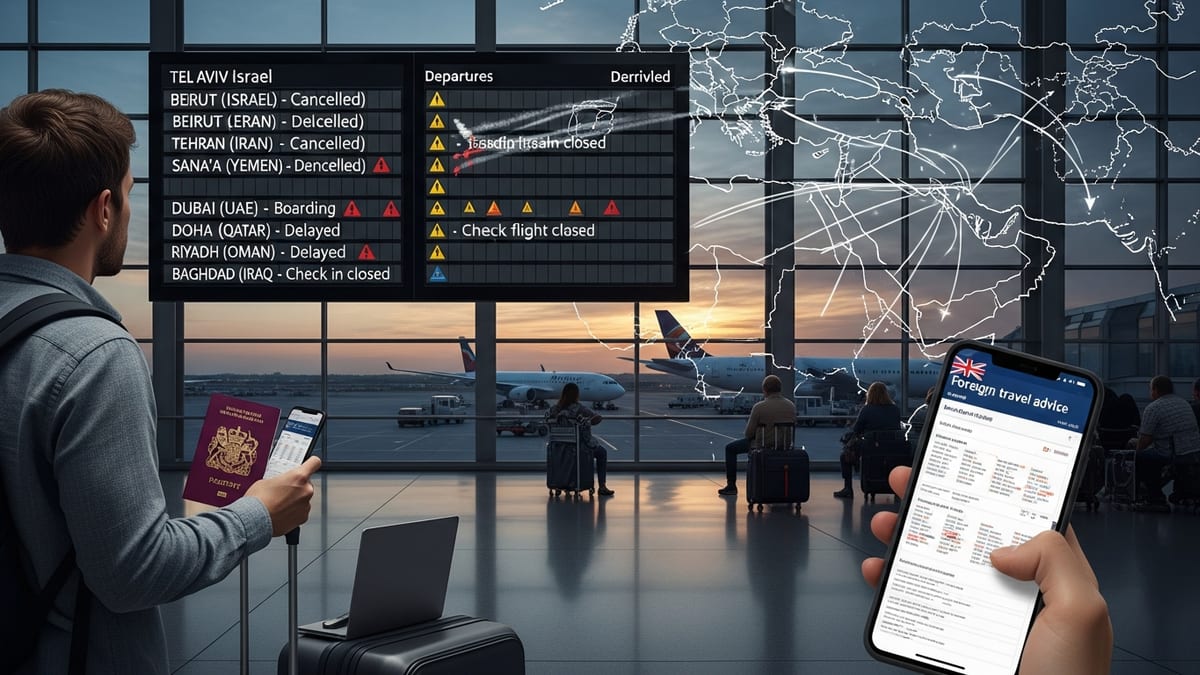
Updated FCDO guidance highlights higher-risk destinations
Publicly available government travel advice shows that the Foreign, Commonwealth and Development Office (FCDO) continues to advise against all travel or all but essential travel to a number of countries and specific regions, meaning trips to those areas are strongly discouraged for leisure purposes. This status is reviewed regularly, but as of early July 2026 several parts of the Middle East, North Africa, Eastern Europe and South Asia remain under strict advisories due to conflict, terrorism and civil unrest.
Recent updates to the official country pages indicate that the FCDO has also refined warnings for destinations that usually attract British tourists, stressing that risks can vary markedly within the same country. In Mexico, for example, current guidance advises against all but essential travel in some states because of crime and security concerns, while still permitting travel to other areas with increased caution. Advice for Palestine and parts of the Philippines has likewise been refreshed, with explicit references to localised violence, natural hazards and disruption.
The latest information stresses that these advisories are not travel bans but risk assessments designed to help British nationals make informed choices. However, travelling against an FCDO warning can have serious knock-on effects for travel insurance cover, and package operators may cancel or amend holidays if security conditions deteriorate.
Special notes have also been added for countries hosting major sporting events this year, including World Cup fixtures in North America and Mexico, reminding fans to consider local security conditions, stadium crowd management and onward travel logistics when booking trips around matches.
Money, cards and crisis planning move up the agenda
Fresh guidance for some destinations highlights not only security concerns but also practical financial risks for British travellers this summer. In Cuba, updated warnings explain that new restrictions on international card transactions are affecting how visitors can pay for accommodation, food and transport. Travellers are being advised through public information to check in advance whether their bank cards will function and to plan alternative means of payment.
The emphasis on crisis readiness has also been strengthened. Official pages signpost British travellers to general guidance on preparing for emergencies abroad, such as extreme weather, natural disasters, major power cuts or sudden political events. This includes recommendations on keeping digital and paper copies of key documents, understanding local evacuation or shelter instructions and monitoring local and international news throughout a trip.
Travel security specialists point out that financial disruptions can quickly escalate into wider crises for holidaymakers if cash machines fail, cards are declined or local businesses are unable to process electronic payments. For destinations already under economic pressure, British visitors are urged to research the availability of cash, fuel and essential supplies well before departure.
These themes are increasingly visible across multiple country advisories, reflecting a broader push to encourage travellers to think beyond flights and hotels and assess how they would cope if normal services were suddenly interrupted while abroad.
Insurance cover and package holidays under closer scrutiny
The summer warning also reinforces long-standing advice on travel insurance, as industry guidance documents updated in 2026 remind tour operators and agents to signpost customers to official risk information at the point of sale. If a traveller chooses to visit a country or region where the FCDO advises against all or all but essential travel, many standard policies may be invalidated for claims related to security incidents in those areas.
Trade bodies recommend that British travellers take out comprehensive cover at the time of booking rather than waiting until just before departure. This is intended to protect against sudden changes in official advice, airline schedule disruption, or emergencies that make it impossible to travel. Some specialist insurers may offer limited cover for higher-risk destinations, but travellers are urged to read policy wording carefully and confirm whether journeys that go against government advice are excluded.
For package holidays, regulations require travel companies to inform customers about significant risks that could seriously impair enjoyment of a trip, such as major building works, known security issues or likely disruption. Updated guidance to the industry stresses that operators should highlight any relevant FCDO advisories linked to the destination, and clearly explain the options if the risk level escalates after booking.
Consumer groups note that, while many British travellers focus on headline prices, this summer’s environment makes it increasingly important to examine cancellation terms, refund policies and the level of protection if a destination suddenly moves onto a stronger warning list.
Popular hotspots still open, but with tighter entry and safety rules
Despite the fresh warnings, most of Europe and a wide range of long-haul destinations remain open to British holidaymakers with standard safety precautions. However, this summer’s travel landscape is shaped by new or evolving entry rules, security checks and local regulations in many popular hotspots.
In several countries, authorities have introduced more detailed passport validity requirements, health documentation rules or onward travel checks, all of which British travellers must meet in order to board flights or clear immigration. Public information also draws attention to stricter enforcement of local laws on behaviour, dress codes, alcohol and drug use in tourist zones, with penalties for breaches that can include heavy fines or detention.
Some destinations, including parts of the Mediterranean and islands in the Caribbean and Indian Ocean, are targeting overcrowding and environmental stress by limiting visitor numbers during peak seasons, adjusting beach access rules or tightening regulations on short-term rentals. British holidaymakers may encounter new booking systems for popular attractions, requirements to pre-book time slots or capacity caps at heritage sites and national parks.
Travel industry analysts say these shifts mean that even well-trodden routes now demand more preparation, especially for families travelling in school holidays or fans combining beach breaks with tournament matches. Checking airline communications, hotel policies and local tourism office updates is being presented as increasingly important for a smooth trip.
Officials urge a ‘prepare, check, insure’ mindset before departure
Public campaigns supported by travel organisations in summer 2026 are encouraging British holidaymakers to adopt a simple “prepare, check, insure” mindset ahead of trips abroad. The message is that a short planning session before departure can significantly reduce the likelihood of problems once overseas.
Travellers are being reminded to check that passports meet minimum validity rules, confirm any visa or electronic authorisation requirements and review airline terms on flight changes or cancellations. The renewed focus on preparation also includes checking mobile roaming charges, understanding how to contact consular support in an emergency and sharing itineraries with family or friends in the UK.
Insurance remains a central pillar of this advice. Consumers are urged to ensure policies cover medical treatment, repatriation, cancellation and disruption, and to declare any pre-existing medical conditions accurately. In higher-risk destinations, guidance suggests considering additional cover for missed connections, emergency evacuation or specialist sports and activities.
With research from previous years indicating that a large majority of Brits intend to holiday abroad each summer, this year’s refreshed warnings are intended to channel that enthusiasm into better-informed decisions. The underlying message from publicly available guidance is not to stay at home, but to understand the risks, prepare carefully and ensure that any overseas break this summer is backed by up-to-date information and solid protection.