


More news on this day
Domestic air travel in India is facing another spell of turbulence as fresh cancellations and schedule cuts by SpiceJet, IndiGo and Air India disrupt flights across major hubs including Delhi, Mumbai, Bengaluru, Chennai, Hyderabad, Leh and several tier-two cities.
Get the latest news straight to your inbox!
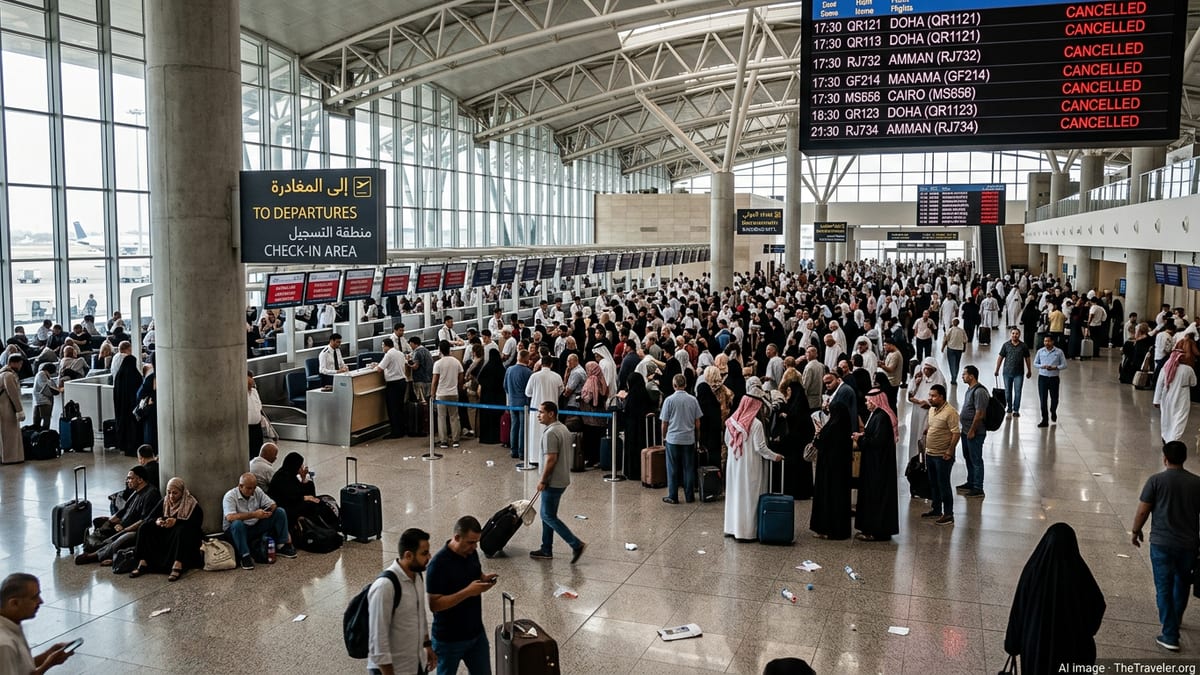
New Cancellations Add To Months of Strain on Indian Flyers
Published coverage on May 27 indicates that IndiGo and Air India are implementing new reductions in domestic services from June 1, while existing reports point to continuing operational disruptions at SpiceJet. Network adjustments and selective route suspensions are combining to produce another round of cancellations that is being felt most sharply at India’s busiest airports.
Information compiled from airline announcements and news reports shows that over a dozen flights operated by these three carriers have been removed from schedules or are facing extended suspension windows. Although the latest adjustments are spread over several weeks rather than concentrated on a single day, the cumulative effect for passengers is that more itineraries booked for June and July are now at risk of being changed or cancelled at short notice.
The impact is being seen most clearly on high-traffic corridors from Delhi and Mumbai to destinations such as Bengaluru, Chennai and Hyderabad, along with services to leisure destinations including Leh. Reduced frequencies on these routes follow earlier months in which airlines were already operating fewer flights than the previous year, creating limited slack in the system to absorb further disruption.
Travel industry observers note that the current wave of changes is unfolding against a backdrop of earlier crises, including IndiGo’s large-scale scheduling breakdown in late 2025 and widespread weather-related disruptions in March 2026. The result is a domestic aviation environment in which many passengers are entering the peak summer period with lower confidence that flights will operate as originally planned.
Air India and IndiGo Trim Networks From June 1
According to recent business and general news coverage, Air India has announced a fresh round of capacity rationalisation, indicating that domestic operations will be trimmed by around one-fifth during the June to August window. The airline is focusing its cuts on selected trunk routes and regional connections, citing high jet fuel prices and continuing international airspace constraints as key pressures.
Reports in national outlets state that flights from Delhi and Mumbai are among those most affected, with reductions on services linking the two metros to Bengaluru, Hyderabad, Chennai and other key cities. Some stations such as Vadodara and Rajkot have already seen Delhi and Mumbai flights removed for parts of June and July, signaling a broader pattern of thinning frequencies beyond the primary hubs.
Parallel coverage of IndiGo’s plans suggests that the country’s largest carrier is also preparing to operate fewer domestic flights from June 1. Analyses drawing on schedule data highlight that IndiGo, Air India and other major airlines already flew several percent fewer sectors in March and April 2026 compared with the previous year, and the upcoming adjustments are expected to deepen that reduction through mid-summer.
The latest move by IndiGo follows an earlier period of severe disruption during its scheduling crisis in December 2025, when thousands of flights were cancelled across Delhi, Mumbai, Bengaluru, Hyderabad and Chennai. While the current changes are framed as controlled capacity management rather than an emergency breakdown, passengers who remember that episode are watching the new cuts closely.
SpiceJet Disruptions Feed Into Wider Network Instability
SpiceJet’s operations have also contributed to the present strain on domestic travel. Recent coverage and consumer accounts describe rolling schedule changes on routes such as Mumbai to Bengaluru, with departure times shifting multiple times in the hours leading up to a flight. These last-minute adjustments have led to missed connections and workday disruptions for travellers even when flights are not formally cancelled.
The airline has in parallel been repositioning capacity to take advantage of demand pockets created by IndiGo’s earlier operational challenges. Business media reporting from May notes that SpiceJet added flights from Delhi and Mumbai on certain routes as IndiGo reduced services, attempting to capture stranded demand on busy trunk sectors.
However, the combination of opportunistic additions on some city pairs and instability on others has made SpiceJet’s schedule less predictable for passengers planning trips involving airports such as Delhi, Mumbai, Bengaluru and Hyderabad. In a market where IndiGo and Air India are now trimming their own networks, even modest disruptions at a smaller carrier can have a magnified ripple effect when alternative options are limited.
Technical events have also drawn attention to the airline’s operations on sensitive routes. Publicly available aviation summaries, for instance, describe a recent SpiceJet service from Delhi to Leh that returned to the capital after a technical issue, underlining the challenges of maintaining reliable connectivity to high-altitude destinations that depend on narrow operating windows and stable weather.
Weather, International Tensions and High Fuel Costs Intensify the Squeeze
The latest cancellations are unfolding in a year already marked by overlapping external pressures on Indian aviation. In March, thunderstorms and strong winds around Delhi and parts of the National Capital Region prompted IndiGo and SpiceJet to issue travel advisories warning of possible delays and cancellations, while real-time trackers showed rolling disruptions on departures and arrivals.
Separately, tensions in the Middle East earlier in 2026 forced Indian airlines, including Air India, IndiGo and SpiceJet, to cancel or suspend a large number of international flights to Gulf destinations and beyond. Wide-ranging reports detailed hundreds of cancellations over several days and a series of temporary suspensions that continued into March, reshaping how airlines deployed aircraft across their networks.
Layers of reduced flying to the Middle East, careful management of long-haul routes and rising jet fuel prices have collectively narrowed the operational flexibility available for domestic schedules. As carriers attempt to conserve cash and manage capacity, cutting underperforming or marginal domestic sectors has become a recurring tool, directly affecting connectivity between metros such as Delhi, Mumbai and Chennai and secondary cities.
For travellers, this means that a single disruption trigger, whether weather at a hub or an international airspace closure, now has a higher chance of spilling over into domestic cancellations. The current round of schedule cuts by Air India and IndiGo, alongside SpiceJet’s ongoing irregularities, reflects a system still adjusting to these pressures rather than returning to pre-crisis stability.
How Travellers Are Being Affected Across Key Cities
The most immediate impact of the latest cancellations is being felt at large hubs including Delhi, Mumbai, Bengaluru, Chennai and Hyderabad, where passengers are encountering shorter lists of available flights and tighter seating on services that remain. Publicly available booking data and fare trackers indicate that on some routes, remaining seats are pricing significantly higher than average as capacity tightens.
Leh and other leisure-focused destinations are experiencing a different kind of strain, with fewer alternative options when a flight is cancelled or diverted. Holidaymakers who built itineraries around specific departure slots can face the prospect of losing valuable days from short trips if they are unable to secure a same-day rebooking.
Reports from tier-two cities such as Bhopal and Vadodara show that passengers there may be even more exposed. When a single daily connection to Delhi, Mumbai or Bengaluru is suspended for several weeks, options often shrink to one or two remaining carriers, which can themselves become vulnerable to knock-on disruptions elsewhere in the network.
Travel commentary from consumer forums suggests that more passengers are now padding their itineraries with longer connection times, avoiding last flights of the day where possible and booking fully refundable fares when budgets allow. Even so, the fresh wave of cancellations by SpiceJet, IndiGo and Air India underlines that disruption risk on Indian domestic routes remains elevated as the summer season approaches.