


More news on this day
Japan’s usually reliable air network is facing fresh disruption as more than 20 flights operated by major carriers including All Nippon Airways, Japan Airlines, Air Do, Air Canada and several domestic partners have been cancelled, affecting routes between Toronto and major Japanese cities such as Tokyo, Osaka, Fukuoka, Okinawa and Hokkaido.
Get the latest news straight to your inbox!
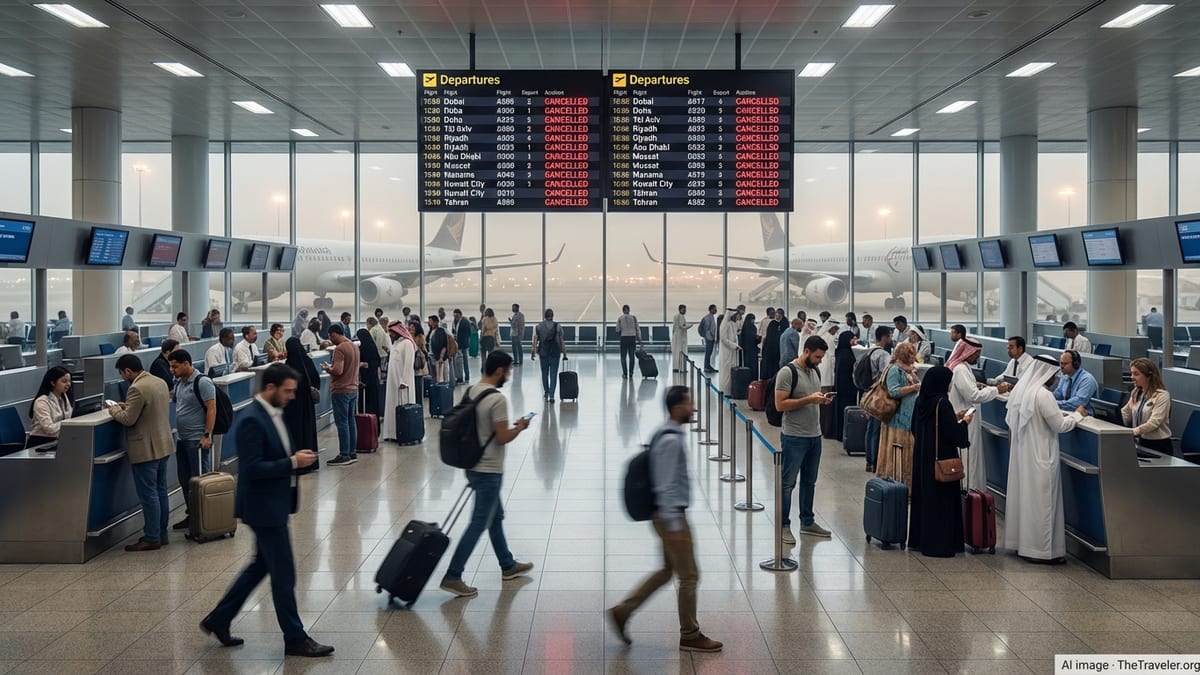
Cluster of Cancellations Hits Major Japanese Hubs
Recent operational data and media summaries for late May 2026 indicate that cancellations have been concentrated at Japan’s primary hubs, including Tokyo’s Haneda and Narita airports, Osaka’s Kansai and Itami, Fukuoka, New Chitose serving Sapporo in Hokkaido, and Naha in Okinawa. Reports describe a cluster of more than 20 scrapped flights involving both domestic and international services, leaving passengers scrambling to rebook.
All Nippon Airways and Japan Airlines, the country’s two largest carriers, appear at the center of the disruption alongside regional affiliate Air Do and codeshare partner Air Canada. The cancellations include purely domestic sectors, such as flights between Tokyo, Osaka, Fukuoka and Sapporo, as well as services feeding long haul routes that connect Japan with North America and other regions.
According to publicly available schedules and tracking snapshots, disruption has not been confined to a single airport or time window. Instead, sporadic cancellations across multiple days in late May have reduced capacity on already busy corridors, particularly evening departures linking Fukuoka, Okinawa and Hokkaido with the Tokyo and Osaka metropolitan areas.
The situation follows a spring travel period in which Japanese carriers were already balancing high demand with periodic operational strains. Earlier in April, a separate disruption day saw a spike in delays and cancellations across Tokyo, Osaka and Sapporo, highlighting how quickly bottlenecks can ripple through the country’s dense domestic network when conditions deteriorate.
Weather, System Issues and Tight Networks Amplify Impact
While no single cause explains every affected flight, a mix of factors appears to be driving the latest wave of cancellations. Unsettled late spring weather over parts of Hokkaido, Kyushu and the Pacific coast has produced bouts of strong winds and low cloud, which can constrain takeoff and landing windows at airports such as New Chitose, Fukuoka and Naha. Publicly available flight information pages for Japanese carriers in recent days have repeatedly flagged the potential for weather related disruption.
These conditions are unfolding against the backdrop of a network that has already experienced stress this season. In April, a technical issue within Japan’s air traffic management system temporarily disrupted the flow of flight plans through the Fukuoka Area Control Center, contributing to the cancellation of scores of flights across airlines including JAL and ANA. Although that specific problem was resolved, analysts note that recovering from such an event can leave little slack in schedules as carriers work to reposition crews and aircraft.
Japan’s domestic aviation system is highly interconnected, with short stage lengths, tight turnarounds and extensive codeshares among mainline carriers, regional affiliates and foreign partners. This structure increases efficiency on normal days but can magnify the effect of any disruption. When a single flight into a hub like Haneda or Kansai is cancelled, subsequent rotations to cities such as Fukuoka, Sapporo or Okinawa may also be vulnerable, especially during peak evening banks.
Industry observers point out that the growing role of codeshare arrangements further complicates recovery. Travellers may hold a ticket on one airline’s code while the operating carrier is another, which can make rebooking more complex when large numbers of passengers are vying for limited remaining seats.
Transpacific Links to Toronto and Beyond Affected
The disruption has also touched transpacific itineraries linking Japan with Canada. Flight schedule references show that the nonstop route between Toronto Pearson and Tokyo Narita, served by Air Canada and closely tied to partner ANA through codeshares, is a key bridge for Canadian travellers heading to Japan. Cancellations on domestic feeder segments in Japan and irregular operations on long haul sectors can therefore affect itineraries spanning multiple carriers.
In particular, some Japan originated journeys to Toronto rely on domestic legs from cities such as Fukuoka, Osaka or Sapporo into Tokyo, before connecting onto Air Canada or ANA coded transpacific flights. When those domestic sectors are cancelled or significantly delayed, passengers may miss onward connections even if the international flight operates as scheduled.
Published schedule data also highlight a growing web of codeshare services between Air Canada and ANA on routes within Japan, including flights linking Tokyo with Okinawa and other regional destinations. This integration offers convenience in normal times but means that disruption at a domestic level can ripple outward along the entire Canada Japan travel chain.
Travel forums and schedule trackers suggest that, on some days this spring, passengers bound for or from Toronto have faced last minute changes, overnight delays or re routings via other North American gateways when flights into or out of Japan failed to operate as planned.
Domestic Travelers Face Full Flights and Limited Alternatives
Within Japan, the immediate effect of more than 20 cancellations has been a tightening of available seats on remaining services. Domestic travel demand has been robust through the spring, supported by business traffic between Tokyo, Osaka and regional centers, as well as tourism flows to Hokkaido and Okinawa. When a block of flights is removed from the schedule at short notice, remaining departures often fill quickly with rebooked passengers.
Reports from Japanese consumer information sites describe travellers facing longer than usual queues at service counters as they attempt to rearrange trips at hubs such as Haneda, Kansai and Fukuoka. In some cases, passengers on evening flights have been offered seats on next day departures or alternative routings involving connections through secondary airports.
Low cost and regional carriers, including Air Do on northern routes and other JAL and ANA group affiliates, have provided some additional options, but their own schedules are limited and may themselves be affected by weather or aircraft rotation issues. This can leave certain city pairs, such as Fukuoka to Hokkaido or Okinawa to Osaka, with only a handful of workable alternatives on disruption days.
Observers note that the cancellations come at a time when airlines have been cautiously rebuilding domestic capacity while striving to maintain high load factors. That strategy supports profitability but leaves fewer spare seats to absorb sudden waves of displaced passengers when operational problems arise.
What Passengers Are Being Advised to Do
Public facing guidance on airline websites and independent travel advisories emphasizes that passengers should monitor flight status closely on the day of departure, particularly for routes touching Tokyo, Osaka, Fukuoka, Okinawa and Hokkaido during this unsettled period. Same day timing changes are not uncommon when weather systems move across the archipelago or when knock on effects from earlier delays filter through the network.
For those already holding tickets on ANA, JAL, Air Do, Air Canada or codeshare partners, consumer information pages outline standard options if a flight is cancelled, typically including rebooking on a later service or refunding unused segments. Some carriers also highlight the importance of checking whether a reservation involves a codeshare, as passengers may need to follow procedures set by the operating airline rather than the marketing carrier.
Travel planners suggest that passengers connecting between domestic Japanese flights and long haul services to North America build in generous connection times, particularly when traveling through busy hubs such as Haneda, Narita or Kansai. Booking longer layovers can reduce the risk of misconnecting if an inbound domestic leg is delayed or replaced.
With more unsettled weather forecast for parts of Japan as the early summer season approaches, industry watchers expect that the risk of further localized disruption will persist. For now, the latest wave of cancellations involving ANA, JAL, Air Do and Air Canada illustrates how quickly Japan’s intricate web of domestic and international routes can be unsettled, sending ripple effects from regional airports all the way to major overseas gateways like Toronto.