


More news on this day
The UK’s Foreign, Commonwealth and Development Office has expanded its Middle East travel warning to cover 16 states, refreshing official advice for popular hubs and high-risk conflict zones as tensions in the region remain elevated into late October 2026.
Get the latest news straight to your inbox!
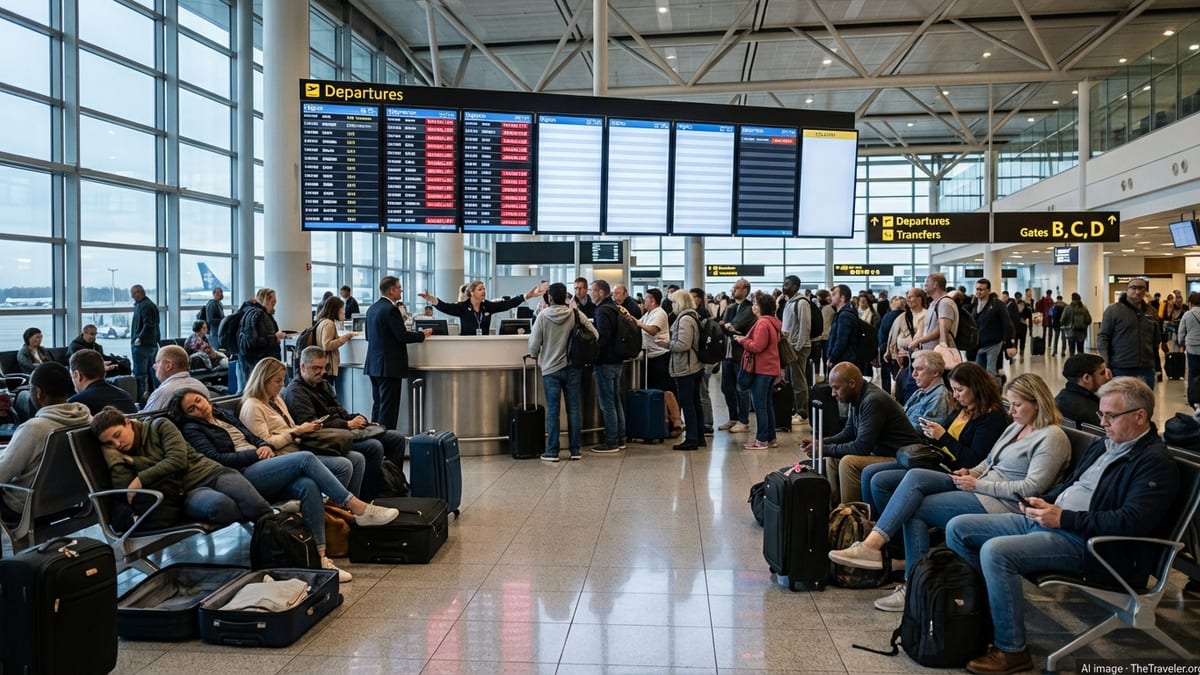
Warning extended across 16 country advice pages
According to publicly available FCDO travel advice updates reviewed on 27 and 28 October 2026, the latest regional warning text now appears on the country pages for 16 states in and around the Middle East. The list includes Israel, the Palestinian territories, Iran, Iraq, Syria and Yemen, alongside major aviation and holiday gateways Turkey, Egypt, the United Arab Emirates, Oman, Qatar, Bahrain, Jordan, Saudi Arabia, Kuwait and Pakistan.
Industry monitoring of the FCDO website shows that the refreshed wording was rolled out in a coordinated update, flagging the risk of further escalation linked to the wider Middle East conflict and possible knock-on effects for airspace, airports and critical infrastructure. Travel trade bulletins indicate that the change has been captured in several tour operator and insurance briefings issued in the final week of October.
The broad geographic spread means that the advisory now covers not only frontline conflict areas but also key transit hubs used by travelers heading between Europe, Asia, Africa and Australasia. For many UK travelers, the practical impact will be felt less in outright bans and more in tightened warnings about potential disruption and the need to monitor routes closely in the weeks ahead.
Specific risk levels vary significantly by country
Although the new wording appears across 16 state pages, the severity of advice differs markedly from one destination to another. For Iraq, Syria and Yemen, the FCDO already advises against all travel due to conflict, terrorism and lawlessness, with long-standing guidance highlighting a very high risk to personal security. Iran also remains subject to strict warnings, including advice against all travel to certain border regions and against all but essential travel to much of the rest of the country.
By contrast, popular tourism and transit hubs such as the United Arab Emirates, Qatar and Oman do not currently carry a blanket recommendation against visiting. Instead, the updated text emphasizes the possibility of sudden airspace closures, flight cancellations or missile and drone activity in the wider region that could affect airports or overflight routes, even when day-to-day life on the ground appears largely unaffected.
Saudi Arabia now falls into a more restrictive category. Recent updates noted by trade tracking services report that the FCDO advises against all but essential travel to the country as a whole, with particularly strong warnings around airports that have been repeatedly targeted in recent months. Separate commercial summaries of the official advice also point to additional caution within 10 kilometres of the border with Yemen, reflecting the risk of cross-border attacks.
Elsewhere, countries such as Jordan, Egypt, Turkey, Bahrain, Kuwait, Pakistan, Israel and the Palestinian territories sit on a spectrum ranging from tightly focused “do not travel” areas at borders and conflict flashpoints to broader “all but essential travel” advisories in certain governorates or cities. Travelers are being urged, in publicly available guidance, to check the detailed sub‑regional maps and wording for each destination rather than rely on headlines alone.
Knock-on effects for flights, cruises and insurance
The widened FCDO warning has immediate implications for air travel across the region. Specialist aviation and travel risk bulletins published in recent months already documented periods when airspace was fully or partially closed over Iran, Israel, Qatar, Bahrain, Kuwait, Iraq, Syria and the UAE, forcing airlines to reroute or cancel services and lengthen flight times between Europe and Asia. The renewed UK advisory highlights the possibility that similar restrictions could reappear at short notice.
For travelers, the most tangible effect is likely to be on itineraries involving connections through Gulf and Levant hubs. Long-haul services that ordinarily transit via airports in Saudi Arabia, the UAE, Qatar, Bahrain, Kuwait, Oman or Turkey may be subject to schedule changes, extended routings or, in some cases, temporary suspension if security assessments tighten further. Cruise ships and Red Sea sailings using ports in Egypt, Jordan or Saudi Arabia are also under closer review by operators that monitor official advisories when planning port calls.
The advisory changes are also feeding through to the insurance market. Many UK travel insurance policies are structured around FCDO guidance, and publicly accessible policy documents often state that cover may be limited or invalidated if someone travels against “all but essential” or “do not travel” advice. Recent consumer discussions and industry commentary highlight particular concern among travelers booked to Saudi Arabia, who are finding that standard policies may no longer respond to non‑emergency claims unless they can demonstrate that their trip meets an essential travel test.
Consumers with upcoming departures involving the affected 16 states are being encouraged in open airline and tour operator statements to review fare rules, change options and cancellation terms. Some carriers serving the region have already adjusted timetables or offered waivers during earlier periods of disruption this year, and travel companies are signalling that they will continue to align their approach with both operational realities and the evolving risk picture.
How the UK stance compares with other governments
The latest UK update comes at a time when several other governments have also tightened their travel advisories for the Middle East, although the exact wording and emphasis vary. Recent guidance from the United States, for example, advises citizens to reconsider travel to a cluster of countries that broadly overlaps with the FCDO’s list, including the UAE, Saudi Arabia, Qatar, Bahrain, Kuwait, Oman, Jordan and Israel. Separate worldwide cautions underline the potential for Iran‑linked groups to target Western interests across multiple regions.
Canada, European states and Asia‑Pacific governments have also re‑examined their positions in light of the evolving conflict dynamics. Public advisories from Ottawa currently warn against non‑essential travel to several Gulf destinations and against all travel to high‑risk states such as Iran, Iraq, Lebanon, Syria and Yemen, citing security and terrorism concerns. Regional travel trackers compiled by private consultancies in 2026 show similar patterns, with varying degrees of restriction but a shared focus on the same core group of Middle Eastern and neighbouring countries.
Despite these parallels, important differences remain. Some countries apply more granular regional distinctions, while others adopt broader national‑level warnings. For travelers planning multi‑stop itineraries across jurisdictions, this can produce a patchwork of requirements that affects not only personal risk assessments but also eligibility for insurance, corporate travel approvals and employer duty‑of‑care procedures.
The UK’s decision to reference the Middle East conflict explicitly across 16 FCDO country pages therefore fits into a wider trend of governments framing travel advice around regional spillover effects rather than isolated national events. For international travelers, the alignment and divergence between these advisories is now a key factor in route planning and destination choice.
What travelers should monitor in the coming weeks
With the latest FCDO wording in place, attention now turns to how the situation develops into November and over the peak winter travel season. Travel trade summaries of official advice stress that the security outlook remains unpredictable, particularly in relation to missile and drone activity, cyber incidents and potential attacks on critical infrastructure that could affect aviation, energy facilities or major urban centres.
Airlines and global distribution systems are already configured to track notices to air missions and other operational updates affecting the airspace above the affected countries. Travelers with existing bookings are advised in open company communications to keep a close eye on airline notifications, departure airport alerts and any schedule changes that appear in booking systems, especially for flights overflying Iran, Iraq, Syria or neighbouring Gulf waters.
Tour operators and large online travel agencies continue to reference FCDO advisories in their own update pages, often providing destination‑specific summaries alongside links to the underlying government text. Publicly accessible guidance from trade bodies also encourages travelers to maintain flexible plans where possible, consider refundable or changeable tickets on routes that transit the region and verify that any purchased insurance explicitly covers travel under the current risk classifications.
For now, the refreshed FCDO travel warning for 16 states serves as a reminder that even destinations that appear stable on the ground can be affected by wider regional tensions. Anyone planning to travel to, from or through the Middle East and neighbouring states in the coming months will need to balance the ongoing appetite for winter sun and long‑haul getaways with a closer than usual watch on security developments and official updates.