


More news on this day
Cathay Pacific has become the latest major carrier to scale back flights as jet fuel prices surge to record levels, joining Delta, United, SAS, Air New Zealand, Vietnam Airlines and other airlines worldwide in pulling capacity from the skies.
Get the latest news straight to your inbox!
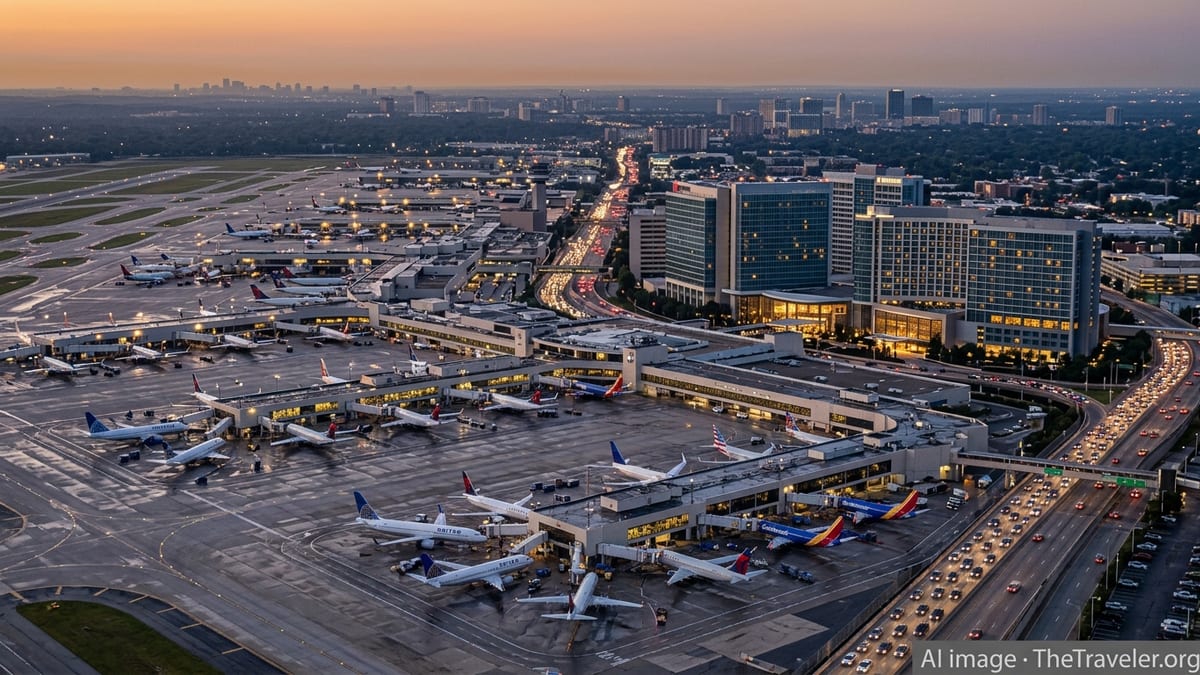
Cathay Pacific Announces Targeted Reductions Through Late June
Publicly available information shows that Cathay Pacific will cancel about 2 percent of its scheduled passenger flights between May 16 and June 30 2026, citing sharply higher jet fuel costs linked to the conflict in the Middle East and disruption to oil supplies. Its low cost affiliate HK Express is preparing a deeper pullback, with around 6 percent of flights removed from schedules from May 11.
Reports indicate that most of Cathay Pacific’s cuts will focus on short haul regional services, along with a limited number of long haul routes to and from Australia, South Asia and South Africa. The airline has said it still intends to operate its full planned schedule from July, though that outlook remains conditional on fuel markets stabilising.
The reductions follow a rapid escalation in fuel surcharges. Cathay Pacific recently raised surcharges on all tickets by about 34 percent, after earlier increases in March as jet fuel costs climbed. Industry data cited in recent coverage shows the global average jet fuel price jumping from under 100 dollars a barrel at the end of February to above 200 dollars by early April, dramatically altering route economics for long haul carriers.
Analyst commentary on Cathay Pacific’s latest move suggests the airline is attempting to balance strong post pandemic demand for long distance travel with the need to protect margins at a time when fuel represents close to one third of total operating costs.
Delta, United and US Carriers Trim Flying Plans
Major United States carriers are also adjusting schedules rather than operating lightly loaded flights at a loss. Recent coverage of United Airlines indicates the carrier is trimming about 5 percent of its planned flying over the coming months, focusing cuts on red eye services and routes operating on historically weaker travel days. The changes are described as a tactical response to temporary unprofitability caused by fuel in excess of 200 dollars per barrel.
Delta Air Lines is taking a slightly different approach by shelving some planned growth. Industry reports suggest Delta has scrapped plans to add capacity in early summer, leaving seat counts several percentage points lower than previously scheduled even as demand remains solid. By freezing expansion rather than announcing broad cancellations, the airline can still benefit from strong yields while avoiding the highest marginal fuel costs.
According to airline and aviation analyses, these large US carriers are relying on a mix of strategies beyond outright cancellations. Dynamic pricing, denser seating on select routes and aircraft upgauging allow them to cut frequencies while keeping overall capacity more stable. This flexibility means they can reduce fuel burn per passenger even as they fine tune networks to meet demand.
Travel industry observers note that while US carriers do not typically break out dedicated fuel surcharges on tickets, higher fuel costs are feeding directly into base fares. Travelers booking for the peak northern summer period are beginning to see noticeably higher prices on transcontinental and transatlantic routes.
Europe and the Pacific: SAS, Air New Zealand and Vietnam Airlines Pull Back
Across Europe and the Pacific, a growing number of airlines are following similar patterns. Scandinavian carrier SAS has removed about 1,000 flights from its April schedule, according to recent industry tallies, concentrating on lower demand services to reduce exposure to volatile fuel prices. Fare increases have also been introduced across parts of its network.
In the South Pacific, Air New Zealand has cancelled around 1,100 flights in the region, affecting an estimated 44,000 passengers. Public reporting links these reductions to both the broader fuel crisis and government level conservation measures introduced in response to disrupted oil supplies. The airline has also withdrawn its financial outlook for the year, reflecting uncertainty over how long elevated fuel prices will persist.
Vietnam Airlines is cited in sector reports as one of the Asia Pacific carriers most affected by the surge in jet fuel costs. The airline is understood to have cut about 20 percent of its flights in recent weeks, with particular impact on regional routes where margins are typically thin and aircraft operate multiple short sectors a day, consuming disproportionate amounts of fuel relative to ticket revenue.
Other regional players, including European low cost airlines and smaller Asia Pacific carriers, are trimming summer schedules, consolidating frequencies and in some cases exiting marginal routes altogether. These moves signal a broader recalibration of networks as operators weigh the cost of fuel against expected demand.
Jet Fuel at Over 200 Dollars a Barrel Rewrites Airline Economics
The backdrop to these decisions is a rapid and severe spike in jet fuel costs. Data from industry bodies referenced across multiple reports shows average jet fuel prices more than doubling within a matter of weeks, driven by disruptions to crude oil exports through the Strait of Hormuz and wider geopolitical tensions involving Iran, Israel and the United States.
For airlines, fuel is typically the single largest variable cost, often accounting for 20 to 30 percent of total operating expenses in normal conditions. With prices above 200 dollars a barrel, analysts estimate that figure has climbed significantly, forcing carriers to absorb cost increases of more than 30 percent per flight unless they can quickly raise fares or reduce consumption.
To protect balance sheets, airlines are turning to a familiar toolkit. Many have introduced or increased fuel surcharges, particularly in regions where regulators allow carriers to itemise such fees separately from base fares. Others are engaging in targeted capacity cuts that remove the least profitable flights from schedules, particularly routes with high fuel burn and limited pricing power.
Aviation consultants quoted in recent commentary warn that even airlines with fuel hedging strategies are not immune. Hedging can delay the impact of price spikes, but if elevated costs persist into the medium term, previously locked in prices roll off, leaving carriers exposed to spot market rates. This risk is contributing to a cautious stance on adding new capacity for late 2026.
What Travelers Can Expect in the Months Ahead
For passengers, the most immediate effects are fewer flight options and higher fares, especially on long haul and peak season routes. With Cathay Pacific, Delta, United, SAS, Air New Zealand, Vietnam Airlines and others pulling capacity, the remaining seats on many routes are pricing higher as airlines seek to recover increased fuel costs.
Travel industry briefings suggest that travelers departing from fuel constrained regions are likely to see the greatest disruption. Some carriers are prioritising core trunk routes and hubs, while secondary city pairs and marginal seasonal services face consolidation or suspension. That pattern is already visible in the reductions announced by Cathay Pacific and Air New Zealand.
Forward looking commentary from analysts indicates that if jet fuel prices remain at or above current levels into the second half of 2026, additional rounds of schedule adjustments are possible. Carriers that have so far relied primarily on surcharges and fare increases may be forced to revisit route networks, particularly where demand softens in response to higher prices.
At the same time, there are indications that airlines are striving to protect key leisure and visiting friends and relatives markets where possible, recognising the strength of pent up demand after years of pandemic related disruption. The emerging strategy appears to focus on trimming the edges of networks and selectively delaying growth plans rather than enacting broad, across the board cuts, even as the fuel price crisis reshapes global aviation once again.