


More news on this day
Saudi Arabia’s new national carrier Riyadh Air is turning to Bangladesh’s rapidly expanding aviation market, outlining plans to connect Dhaka, Chattogram and Sylhet to Riyadh in a strategic push for Middle East connectivity anchored on an estimated twelve million annual passengers.
Get the latest news straight to your inbox!
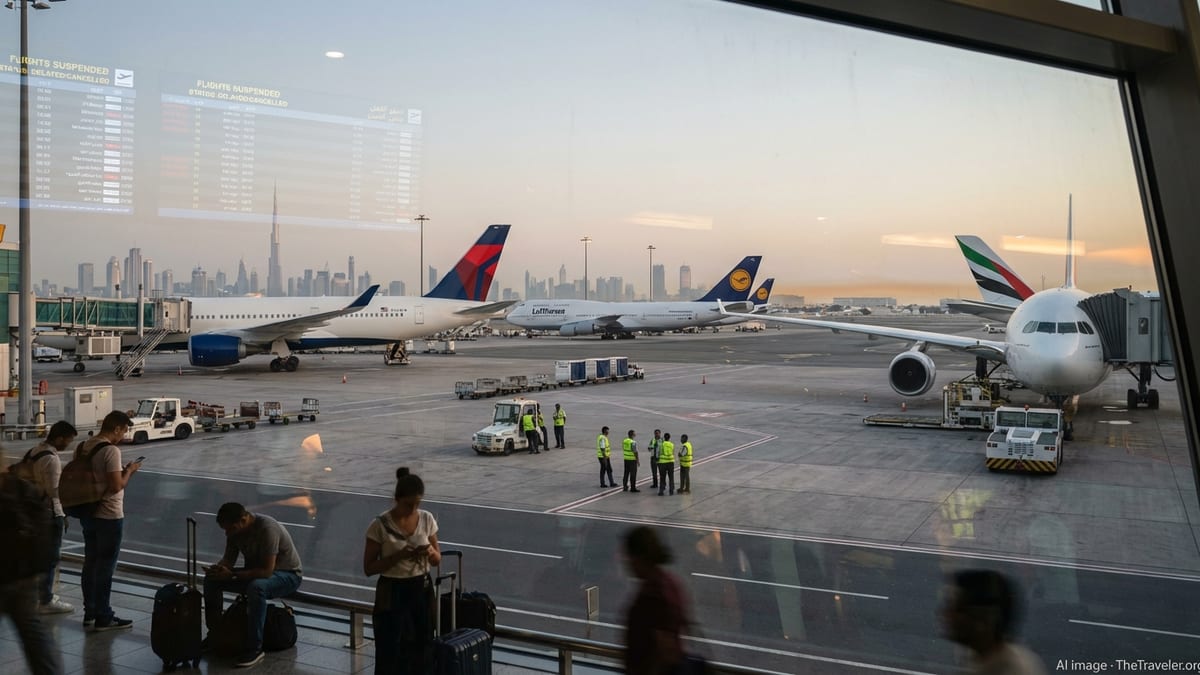
New Saudi carrier zeroes in on high demand Bangladesh corridors
According to recent industry coverage, Riyadh Air has identified Bangladesh as one of its key South Asian growth markets, with Dhaka, Chattogram and Sylhet earmarked for direct links to the Saudi capital. The prospective routes fit into the airline’s broader ambition to build a global network from Riyadh and reach more than one hundred destinations by the end of the decade.
Reports indicate that the carrier is targeting a Bangladesh market of around twelve million passengers a year, driven largely by migrant workers, religious travelers and a growing segment of leisure and business passengers. The focus on three major Bangladeshi cities signals a strategy to reach both the political and commercial center in Dhaka and important expatriate catchment areas in Chattogram and Sylhet.
The planned expansion comes as Saudi Arabia’s aviation strategy seeks to transform Riyadh into a competitive global hub. By positioning Bangladesh as a foundational pillar of its South Asia network, Riyadh Air is aligning itself with one of the fastest growing outbound markets for travel to the Gulf region.
While the airline is still in the pre launch phase, the Bangladesh routes are being framed as early priorities in public reporting on its proposed network, underlining the perceived strength and resilience of two way demand between the two countries.
Dhaka, Chattogram and Sylhet placed at center of regional hub strategy
Dhaka’s Hazrat Shahjalal International Airport remains Bangladesh’s primary gateway, handling the vast majority of international traffic and undergoing an expansion intended to lift capacity significantly in the coming years. Publicly available data indicate that Bangladesh’s air travel market surpassed seventeen million passengers recently, with Dhaka accounting for the bulk of those journeys as new terminal infrastructure comes online.
Chattogram and Sylhet, although smaller, play outsized roles in international travel patterns. Chattogram serves the country’s main port city and an industrial belt with strong links to Gulf labor markets, while Sylhet has deep historical and family connections with expatriate communities in the Middle East and the United Kingdom. Both cities already see strong traffic to Saudi Arabia and other Gulf states through existing carriers.
By proposing a tri city approach, Riyadh Air is not only chasing scale in Dhaka but also dispersing connectivity to secondary cities that feed the Middle East corridor. Travel industry reports suggest that this could ease pressure on Dhaka’s congestion, offer shorter surface journeys for passengers living outside the capital and sharpen competition on fares and schedules for Saudi bound traffic.
A three point footprint in Bangladesh would also support Riyadh’s emergence as a one stop option for travelers heading beyond Saudi Arabia. Connections through the Saudi capital could link Bangladeshi passengers to wider Middle Eastern, African and European destinations, in competition with existing Gulf hub carriers that have long dominated these flows.
Expatriate workers and religious travel underpin traffic forecasts
Bangladesh has one of the largest expatriate communities in Saudi Arabia, with several million citizens working across the kingdom. Published coverage notes that this base, alongside seasonal surges for Hajj and Umrah, forms the backbone of the projected twelve million passenger market that Riyadh Air is seeking to serve more directly.
Today, many Bangladeshi workers and pilgrims rely on a combination of national and private Bangladeshi airlines and Gulf based carriers to reach Saudi Arabia. Flight demand to Jeddah, Madinah and Riyadh has been growing as labor migration resumes post pandemic and as more passengers pursue multiple trips for family visits and religious purposes.
Riyadh Air’s prospective services from Dhaka, Chattogram and Sylhet are expected to compete in this core segment by offering additional capacity, schedule options and potentially streamlined connections into Saudi domestic networks. Observers say that a larger array of operators on these routes could relieve persistent seat shortages during peak Hajj and Umrah seasons.
Beyond workers and pilgrims, a modest but rising share of passengers is coming from business travelers and diaspora tourists who split their time between Bangladesh and the Gulf. The airline’s premium positioning, as described in open source profiles, suggests it will seek to attract higher yielding customers on these city pairs while still serving the volume driven migrant market.
Competitive landscape intensifies across the Bangladesh Middle East corridor
The Bangladesh Middle East market is already one of the most hotly contested in South Asia, with established Gulf network airlines, low cost carriers and Bangladeshi operators competing for traffic. Recent reporting highlights new and expanded services between Dhaka and Riyadh by Bangladeshi private carriers, illustrating the scale of demand on Saudi routes in particular.
Carriers from the United Arab Emirates and Qatar also maintain dense schedules linking Dhaka, Chattogram and Sylhet with their respective hubs, where passengers connect onward to Saudi cities and beyond. This entrenched competition has helped keep fares relatively competitive while giving travelers multiple options for routing and stopovers.
Riyadh Air’s arrival would add a Saudi hub based alternative designed around direct connectivity to the kingdom rather than a broader Gulf network. Analysts following the sector suggest this could prompt recalibration of capacity and pricing among existing players, particularly if the new carrier introduces significant seat numbers on Bangladesh Saudi city pairs shortly after its launch.
The airline’s wider partnership push, documented in recent aviation industry reports, is expected to extend its reach by linking its future network with codeshare and interline agreements. For Bangladesh, that could ultimately mean a broader menu of one stop itineraries via Riyadh into Europe, North America and Africa, intensifying competition with other established hubs for long haul traffic originating in the country.
Infrastructure upgrades in Bangladesh support long term growth plans
The timing of Riyadh Air’s interest coincides with a phase of infrastructure investment in Bangladesh’s aviation sector. Dhaka’s expanded terminal facilities are designed to lift annual capacity well beyond previous limits, while upgrades at Chattogram and Sylhet aim to improve runway, terminal and airside operations to accommodate rising international frequencies.
Bangladesh’s aviation authorities have highlighted that total air traffic is on an upward trajectory, reflecting economic growth, remittance driven travel and increasing openness to international tourism. Industry data show a steady rise in international passenger volumes, with routes linking South Asia to the Gulf among the most dynamic.
In this context, Riyadh Air’s proposed Dhaka, Chattogram and Sylhet services align with broader efforts to diversify airline presence and deepen bilateral connectivity with key labor and trade partners. Additional Saudi bound capacity would complement existing carriers while underscoring Saudi Arabia’s strategy of positioning Riyadh as a central transfer point for South Asian travelers.
As the new Saudi airline advances toward its commercial debut, the level of service it ultimately deploys in Bangladesh and the response from incumbent operators will be closely watched by industry observers. For travelers, the emerging picture points to a more competitive landscape on Bangladesh Middle East routes, with Riyadh positioned to become a prominent new waypoint.