


More news on this day
The United Kingdom has widened its Middle East travel warning to cover 16 states, extending heightened guidance across a broad swathe of destinations and transit hubs as regional tensions remain elevated into late October 2026.
Get the latest news straight to your inbox!
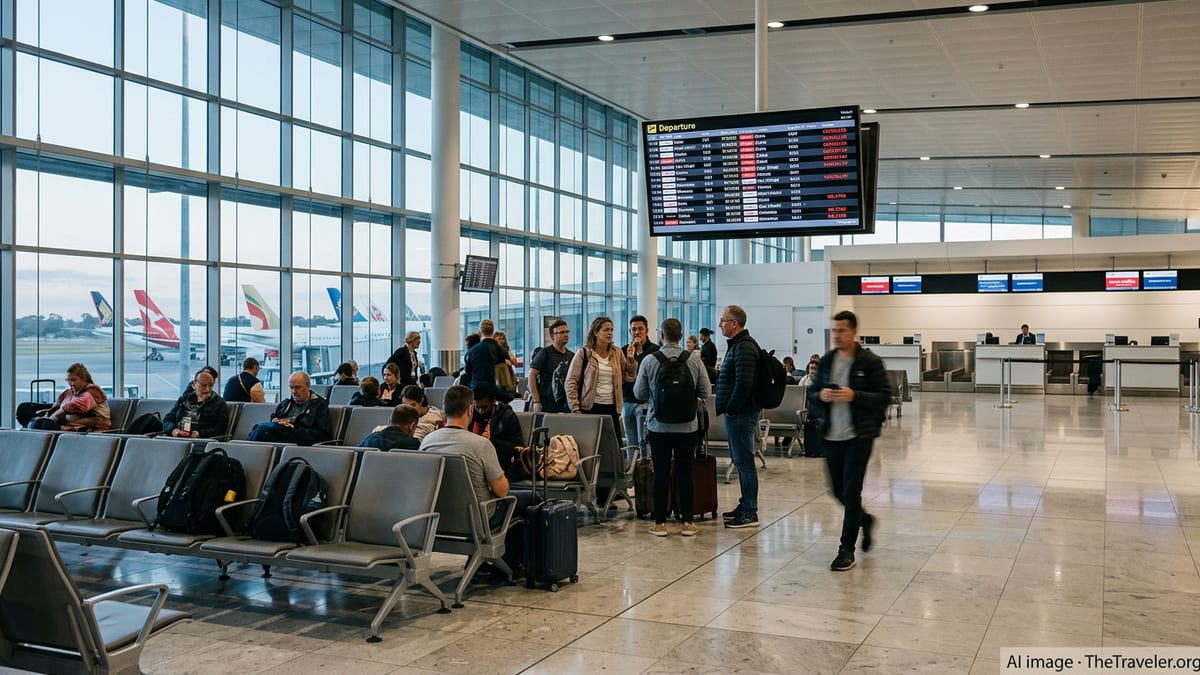
Expanded warning spans conflict zones and key hubs
According to publicly available Foreign, Commonwealth and Development Office (FCDO) travel advice updated on 28 October 2026, the latest regional warning now appears on the country pages for 16 states in and around the Middle East. The list covers Israel, the Palestinian territories, Iran, Iraq, Syria and Yemen, along with major aviation and holiday gateways Turkey, Egypt, the United Arab Emirates, Oman, Qatar, Bahrain, Jordan, Saudi Arabia, Kuwait and Pakistan.
Travel industry reports indicate that the wording added across these pages highlights what the FCDO describes as an unpredictable regional context and an elevated risk of sudden escalation. The language is framed in general terms and is layered on top of pre-existing, country specific advice that can already include stronger instructions such as guidance against all travel or against all but essential travel to particular areas.
Coverage in specialist travel media notes that the update was pushed across multiple destination pages within a short window in the final week of October, signalling an effort to present a consistent regional message. The move follows months of heightened tensions, cross border incidents and drone and missile activity affecting airspace and critical infrastructure in parts of the wider Middle East.
Public advisories also stress that the situation remains fluid, with developments in one country potentially producing immediate knock on effects in neighbouring states, regional sea lanes and the dense network of flight corridors that link Europe, the Gulf and South Asia.
What the FCDO is telling UK travellers
The revised notices advise British nationals in, or planning to travel through, the Middle East to be prepared for short notice disruption. The guidance refers to the possibility of flight cancellations, diversions, temporary airspace closures and restrictions at airports, and it urges travellers to keep itineraries under review as conditions evolve.
Publicly available information on FCDO pages for affected destinations encourages travellers to monitor local news, follow any instructions issued by local authorities and stay alert to updates relating to transport hubs. The advice suggests that airports or key road routes could close with limited warning if there is a perceived security risk in the vicinity.
The government guidance also points British nationals toward practical preparedness measures. These include maintaining up to date travel documents, keeping contact details current with travel providers and considering how travel plans could be adjusted if commercial routes are disrupted. For some countries in the list, particularly in the Gulf, British nationals are able to register their presence in order to receive direct email alerts when travel advice changes.
For those already in the region, the official text referenced in industry summaries explains basic precautions if there are missile or drone alerts in specific locations. Travellers are advised to seek shelter in a secure structure, stay away from windows and avoid approaching any debris or unexploded fragments if an interception or impact has taken place nearby.
Impact on holidays, business trips and transit itineraries
The widened warning carries particular significance for UK travellers because it encompasses popular winter sun destinations and some of the world’s busiest long haul transit hubs. Egypt, Turkey and the United Arab Emirates handle large volumes of UK holiday traffic, while Qatar, Oman and Bahrain are important stopover points on routes to Asia, Africa and Australasia.
Reports from travel trade bodies and risk consultancies suggest that some tour operators and airlines have responded to recent updates by reviewing schedules, rerouting certain services to avoid specific stretches of regional airspace, or offering increased flexibility on date changes for bookings involving affected hubs. Where such measures are available, the details generally depend on the precise wording and timing of official advisories on the day of travel.
Travel insurers are also closely linking coverage to government advice. Information provided by UK based insurance intermediaries states that policies may not provide cover if travellers choose to visit or transit a location once formal guidance has shifted to against all travel or against all but essential travel. In practice, this makes it important for travellers to check the FCDO page for each country on their itinerary both when booking and again shortly before departure.
Industry briefings add that corporate travel managers are reassessing duty of care policies for staff movements into the Middle East, particularly where itineraries involve high risk states on the 16 country list. Some businesses have temporarily postponed non essential trips or switched in person meetings to virtual formats while they monitor how the security picture develops.
How the UK warning sits alongside other nations’ advisories
The broader shift by the UK comes against a backdrop of heightened messaging from several governments about travel to and through the Middle East in 2026. Publicly accessible information from North American and European authorities outlines similar concerns about potential spillover from regional conflict, threats to critical infrastructure and the risk of further drone or missile activity affecting commercial aviation routes.
Travel advisory comparisons compiled by independent analysts show that some countries on the UK’s 16 state list are also subject to some of the highest warning levels from other governments. Iran, Iraq, Syria and Yemen, for example, are frequently placed in the most restrictive categories, while key hubs such as Saudi Arabia, Qatar, Bahrain and Kuwait are commonly rated at levels that advise travellers to reconsider the need for non essential trips.
In parallel, travel agencies and trade associations have issued consumer facing guidance explaining how to interpret differing national advisories. These materials stress that UK travellers should prioritise the FCDO view for insurance and legal purposes, while still paying attention to any additional restrictions imposed by the authorities of their destination or airline security departments.
Security bulletins aimed at corporate travel planners further note that an upgrade in warning level by one government can quickly influence operational decisions by carriers, hotel groups and cruise operators serving the same routes, even if other countries’ formal advice has not yet shifted in identical terms.
Practical steps for travellers considering the region
Publicly available checklists from government and industry sources recommend that anyone planning a journey involving one of the 16 affected states takes several practical steps before committing to travel. These include reading the full FCDO travel advice for each country on the route, registering for email alerts where available and confirming the latest conditions with airlines, cruise lines or tour operators.
Travellers are encouraged to build extra flexibility into itineraries, including longer connection times in case of screening delays or short notice gate changes. It is also advisable to verify visa and entry rules, as some states in the region have temporarily adjusted procedures in response to the evolving security picture or placed additional scrutiny on certain categories of traveller.
Consumer advocates emphasise that travel bookings should be backed by comprehensive insurance that explicitly covers destinations under heightened warning, checking the fine print for any exclusions tied to changes in official government advice. Where uncertainty is high, some travellers are choosing refundable or flexible fares for Middle East connections, even when these come at a premium compared with more restrictive tickets.
For UK travellers weighing whether to proceed with a trip, the updated 16 state warning underlines the importance of treating the region as a single, interconnected theatre of risk. Even journeys focused on relatively stable resort areas or major global hubs can be affected by developments hundreds of kilometres away, making up to date information and contingency planning central to any decision to travel.