


More news on this day
Passengers who sold homes and life on land to join a so called “never ending” world cruise are speaking out after being ordered off their residential ship in Cambodia when its operator said soaring fuel costs made it impossible to keep sailing.
Get the latest news straight to your inbox!
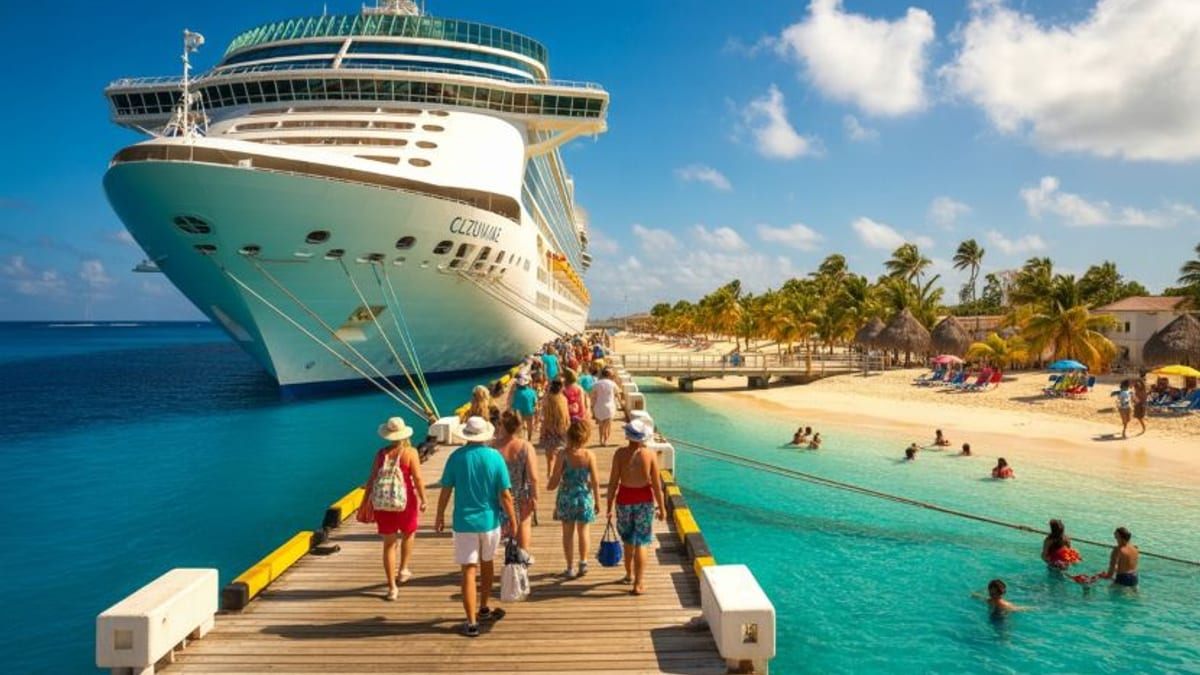
Dream of Life at Sea Shatters in Cambodian Port
The Villa Vie Odyssey, a residential cruise ship marketed as a perpetual global voyage, has been lying idle in the Cambodian port of Sihanoukville since late October 2026 after its operator halted operations and instructed residents to disembark. Publicly available information indicates the company, Villa Vie Residences, told passengers it could no longer secure the fuel needed to continue the ship’s three and a half year world itinerary.
The ship had been promoted as a floating community where residents could purchase or lease cabins and “live at sea” instead of maintaining a home on land. Coverage in travel and business publications shows that many residents were from North America and Europe and had invested substantial sums in lifetime or multi year stays, in some cases after selling property and possessions ashore.
Reports indicate that residents were given only a few hours’ notice on 26 October to leave the vessel, which had already entered a form of lay up. Crew have remained on board to maintain essential systems while the company seeks new financing, but the ship’s long promised “never ending” cruise has, at least for now, come to an abrupt stop.
The halt has left passengers, some of whom regarded the ship as their primary home, scrambling to secure accommodation, onward travel and clarity on what will happen to their investments and personal belongings still on board.
Residents Describe Sudden Orders to Disembark
Accounts shared in international media and on social platforms describe a rapid, disorienting sequence of events as management instructed residents to pack up and get off the ship in Sihanoukville. According to published coverage referencing internal notices, passengers were told the Odyssey would transition into a temporary lay up because the company could not obtain sufficient fuel at current prices.
Reports indicate that residents were told they had to be off the vessel by mid afternoon, leaving only a narrow window to arrange hotels, transport and to decide what to do with possessions accumulated during months or years on board. Those unable to move everything ashore in time were advised that supervised visits back to the ship would be arranged so they could retrieve remaining items later.
Some passengers have told news outlets they now find themselves stranded in Cambodia with no permanent residence on land, having planned to live aboard for the foreseeable future. Others had booked multi month segments and now face cutting trips short, rebooking flights and recovering costs. For residents who had sold or rented out homes in order to fund life at sea, the sudden need to find housing on short notice in a foreign country has been particularly disruptive.
Public posts from affected travelers describe a mixture of frustration, disbelief and attempts to stay optimistic while waiting for clearer information on refunds, future voyages and the possibility of returning to their cabins if operations resume.
Fuel Price Shock Cited as Key Trigger
In statements shared with residents and cited across industry reports, Villa Vie Residences has pointed to an extraordinary jump in fuel costs as the central reason for suspending the voyage. The company said fuel expenses calculated on a per cabin basis had risen from roughly 1,800 dollars per month in earlier stages of the itinerary to between 6,000 and 8,000 dollars per month in recent Asian waters, an increase of more than 300 percent.
Travel trade analysis notes that the spike has been linked to broader volatility in global energy markets, including impacts associated with the war involving Iran and disruptions to key shipping routes. Villa Vie indicated it had already attempted to slow the itinerary and spend longer periods in port to cut consumption, but those measures did not offset the higher prices enough to keep the business viable.
Reports also reference earlier attempts by the operator to raise additional funds from residents, including contributions specifically earmarked for fuel. Some residents quoted in industry outlets have argued that while fuel costs were a serious concern, the problems also exposed deeper weaknesses in the underlying business model of selling long term residential stays on a relatively small ship.
The company has said it is exploring restructuring and recapitalisation options over a 60 day period, but has cautioned that no transaction is guaranteed. That uncertainty has left passengers wary of assuming that operations will restart within a fixed timeframe, despite hopes among many for a rescue deal.
What Happens Next for Stranded Passengers
Villa Vie Residences has stated in public communications that it is helping coordinate temporary accommodation and onward travel for affected residents, though detailed arrangements appear to vary by passenger. Some reports describe offers of limited hotel support in Cambodia and assistance with logistics, while others indicate that a number of residents are relying primarily on personal savings and travel insurance to manage the sudden change of plans.
The residential nature of the voyage makes the situation more complex than a conventional cruise cancellation. Passengers did not simply buy a single itinerary; many purchased long term rights to occupy specific cabins or entered into multi year rental agreements. Travel law specialists quoted in media coverage note that the contractual fine print of these residency products will be central to determining what, if any, refunds or compensation might ultimately be available.
For now, residents are weighing whether to remain in Southeast Asia in case the ship finds new backers or to rebuild lives on land elsewhere. Some are reportedly banding together to share accommodation and pool information, trying to maintain the sense of community that formed on board. Others are already exploring alternative residential cruise or long stay travel options, though there is heightened caution around similar “live at sea” ventures.
Consumer advocates observing the situation suggest that the Villa Vie Odyssey case may prompt closer scrutiny of residential cruise offerings, particularly regarding financial transparency, contingency planning and the risks passengers assume when their primary residence is effectively a private, mobile community at sea.
Lessons for Future Residential Cruise Projects
The abrupt halt of the Villa Vie Odyssey has raised broader questions about the viability of long term residential cruise concepts that depend on stable operating costs over many years. Analysts writing in travel trade publications argue that the ship’s grounding in Cambodia underscores how sensitive such projects are to swings in fuel prices, regulatory changes and geopolitical shocks along global shipping routes.
Prior to the current crisis, Villa Vie had promoted ambitious plans, including a second residential vessel targeted to enter service later in the decade. The future of those expansion plans is now uncertain as the company focuses on stabilising its first ship and addressing the needs of current residents.
The experience may shape how future operators structure financing, insurance and resident agreements for similar “never ending” voyages. Industry observers point to the need for clearer contingency provisions, larger financial buffers and honest communication about the possibility that even a marketed lifetime voyage can be interrupted or curtailed.
For prospective passengers considering life at sea, the events in Sihanoukville are likely to become a reference point, highlighting both the appeal and the vulnerability of tying one’s home and savings to a privately run vessel that depends on global fuel markets and continuous access to ports around the world.