


More news on this day
The United Kingdom has tightened its official travel advice for Turkey and Egypt in response to rising regional tensions, updating guidance on security risks, restricted areas and insurance implications for British visitors planning winter and early 2027 trips.
Get the latest news straight to your inbox!
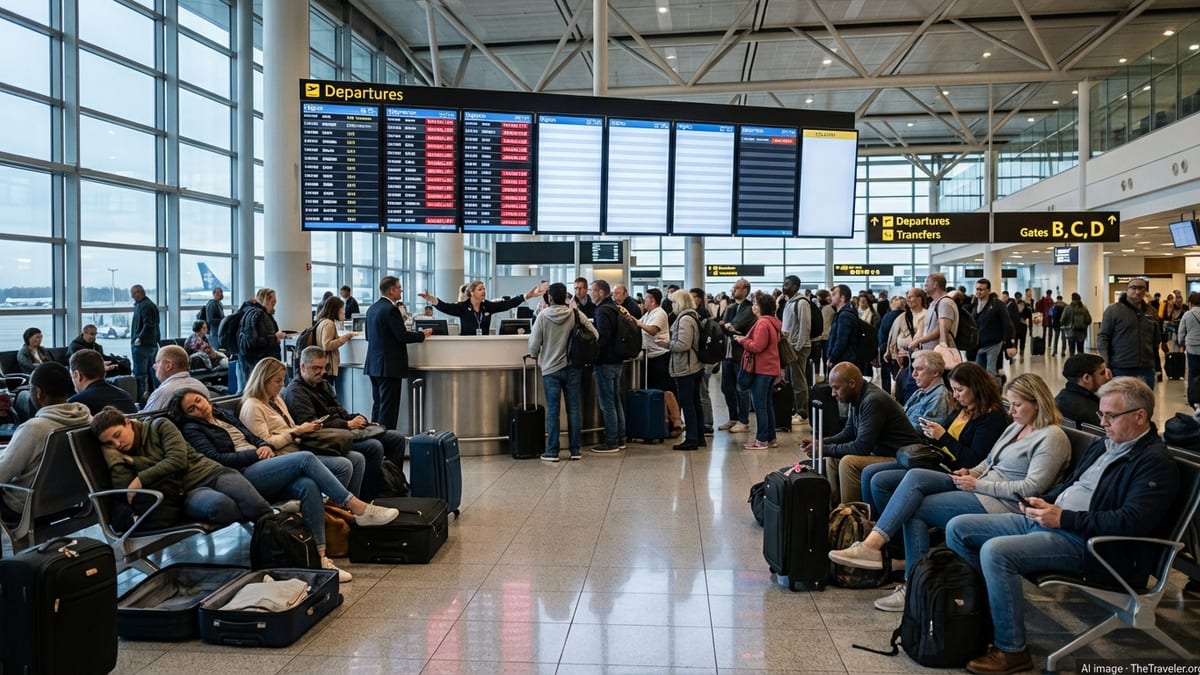
Fresh UK Updates Highlight Regional Tension Risks
Recent changes to the UK government’s foreign travel advice sharpen the focus on how conflict and political uncertainty across the Middle East are affecting trips to Turkey and Egypt. The Foreign, Commonwealth and Development Office (FCDO) continues to advise against all travel or all but essential travel to a number of border regions in both countries, while stressing that popular resort and city destinations remain outside the strictest warning zones.
According to publicly available information on the FCDO’s Turkey pages, warnings against all travel remain in place for areas near the borders with Syria and Iraq, with particular concern over terrorism and ongoing cross-border military activity. The advisory notes that events in Israel and the Palestinian territories have contributed to heightened tensions and demonstrations in cities including Istanbul and Ankara, as well as near diplomatic sites.
For Egypt, updated guidance on regional tensions on the FCDO website highlights an unpredictable security picture linked to the wider Middle East crisis. The advice underlines long-standing restrictions in North Sinai and parts of the Western Desert, and points to continuing sensitivities around the Rafah crossing between Gaza and Egypt, which has seen extended closures and heavily controlled access this year.
These changes are part of a broader pattern of governments reassessing risk levels in the region. Travel advisories from Canada, Ireland and other states echo similar concerns, especially around border regions with Gaza, Israel, Syria and Libya, and refer to the possibility of sudden airspace closures or schedule disruption affecting international flights.
Turkey: Heightened Security Around Borders and Major Cities
In Turkey, the UK continues to distinguish between the main tourist belt and higher-risk areas along the Syrian and Iraqi frontiers. The official safety and security section emphasises that British travellers should not enter a band extending roughly 10 kilometres from the Syrian border, and that provinces affected by counter-terrorism operations may be subject to curfews, military checkpoints and short-notice movement restrictions.
The advisory records recent security incidents, including an April 2026 attack in Istanbul that injured police officers near premises associated with Israel. Publicly available information notes that regional developments have fuelled demonstrations, some of them held close to foreign diplomatic buildings and symbolic locations. While most UK visitors concentrate on Istanbul, Cappadocia and coastal resorts along the Aegean and Mediterranean, the FCDO advises monitoring local media and avoiding any large gatherings.
Other governments have issued broadly aligned messages. Canadian travel advice for Türkiye refers to special security zones in some villages close to the Syrian border and highlights a risk of terrorism and political unrest. Travellers are warned that fluid security conditions can lead to extra document checks, temporary road closures and changes to domestic flight schedules, particularly in the southeast.
Despite the heightened rhetoric between Ankara and regional rivals, no blanket UK warning is in place for Turkey as a whole. However, tour operators and airlines are directing customers to review the latest FCDO updates before departure, especially if itineraries include eastern or southeastern provinces rather than well-established coastal resorts.
Egypt: Long-Standing Restrictions Tightened by Gaza Conflict
For Egypt, the UK has long advised against all travel to most of North Sinai and against all but essential travel to areas of the Western Desert and specific border zones. The regional tensions section of the FCDO’s Egypt advice, updated in late September 2026, now stresses that the broader Middle East crisis has increased the risk of sudden escalation and potential targeting of locations linked to Western and Israeli interests.
International reporting shows that the Rafah crossing between Gaza and Egypt has remained highly restricted during 2026 as fighting and diplomatic disputes continued. Irish and Australian travel advisories both point to the crossing’s closure or near-closure for extended periods this year, describing the immediate vicinity as particularly dangerous and warning that conditions can change without notice for aid convoys and foreign nationals.
Beyond Gaza-related issues, other governments’ guidance underlines the uneven risk profile inside Egypt. Canadian travel advice continues to recommend a high degree of caution throughout the country, with stronger warnings for North Sinai and the Libyan border area. By contrast, major tourism centres such as Cairo, Luxor, Aswan, Hurghada and Sharm el Sheikh are not subject to blanket “do not travel” notices, though travellers are reminded of a persistent threat of terrorism and heavy security measures around key sites.
The UK government’s entry requirements pages for Egypt also flag new practical measures at Cairo International Airport. From 1 August 2026, travellers can use digital kiosks or an online portal to obtain a visa on arrival for 36 US dollars, including a 6 dollar service fee. Officials advise that visitors who cross into Egypt from conflict zones such as Sudan without full documentation may face additional checks and are encouraged to contact consular services for assistance.
Knock-On Effects on Flights, Insurance and Itineraries
Alongside the security warnings, the latest guidance carried by travel industry bulletins highlights how regional tensions are disrupting aviation and insurance cover. A briefing circulated in early March 2026 by a UK-based business travel provider reported partial or full airspace closures over Iran, Israel, Iraq, Syria and several Gulf states, with knock-on delays and rerouting affecting flights into Egypt and Turkey. Travellers have been urged to check with airlines for last-minute schedule changes and longer flight times due to diversions around restricted zones.
Industry summaries of government advisories note that when the FCDO lists a country or a specific region as subject to advice against all travel or all but essential travel, many UK travel insurance policies limit or exclude cover if customers choose to visit those areas regardless. Some insurers still offer specialist policies, but often at higher cost or with terrorism-related exclusions, and travellers are encouraged to read policy wording carefully and confirm whether cover applies to particular provinces such as North Sinai or border districts in southeastern Turkey.
Corporate mobility trackers compiled by international consultancy firms in 2026 observed that the UK is among several European countries advising businesses to reassess non-essential staff travel to sensitive parts of Egypt and to maintain close monitoring of the evolving situation in Turkey’s border regions. These digests also refer to companies reviewing evacuation and contingency plans, particularly for personnel based near critical infrastructure or diplomatic sites.
Reports from online travel communities during 2026 suggest that some leisure visitors have postponed or rerouted holidays that combine Israel, Egypt and Turkey, while others have proceeded with trips focused on well-known tourist corridors along the Nile or the Turkish Riviera. Contributors consistently reference the FCDO and other national advisories as the main reference point for deciding whether to adjust their plans.
What UK Travellers Should Monitor Before Departure
With winter sun season approaching, British travellers considering Turkey or Egypt are being encouraged by publicly available guidance to pay close attention to the fine print of official advisories. In practice this means checking not only the headline country rating but also the detailed maps and lists of towns, roads and governorates where stronger warnings apply, and confirming whether planned excursions approach any restricted border zones.
The FCDO pages for both Turkey and Egypt emphasise that the regional situation remains unpredictable and that security conditions can change at short notice. Travellers are advised to register for email updates from the government website, keep contact details for their airline and tour operator handy, and follow local news reports that may flag upcoming protests, curfews or transport disruptions.
Given the interaction between official advice and travel insurance, consumers are also being urged by insurers and comparison services to review documentation before paying final balances. Policies that were purchased prior to a change in FCDO guidance may treat cancellations differently from trips booked after a new warning is issued, particularly where terrorism or war exclusions are concerned.
While no comprehensive ban on leisure travel to Turkey or Egypt is currently in place from the UK, the tightening of language around border areas, regional airspace and potential spillover from conflicts in neighbouring territories marks a more cautious official tone. For holidaymakers, the practical impact is a need for closer monitoring, greater flexibility in routing and itineraries, and a willingness to adapt plans quickly if the security picture shifts again.