


More news on this day
A short term disruption in jet fuel deliveries to Edinburgh and Glasgow airports over the weekend has triggered delays, diversions and extra refuelling stops for flights serving Scotland’s two busiest hubs, according to multiple travel and aviation reports.
Get the latest news straight to your inbox!
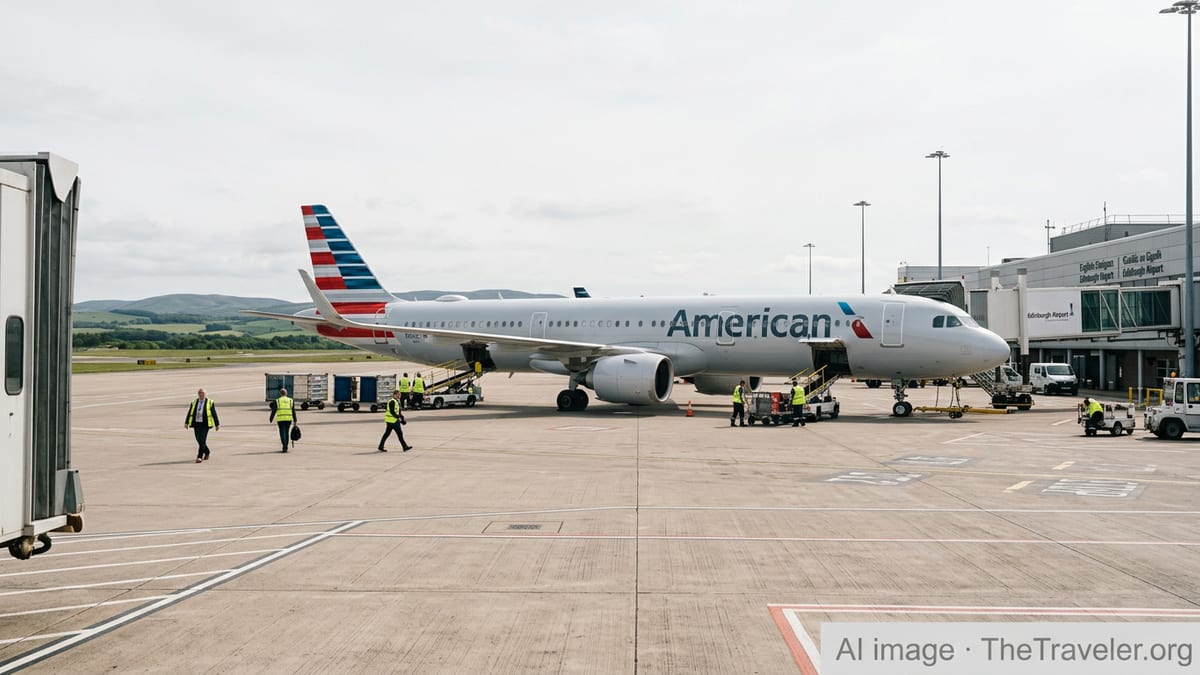
Short Term Fuel Issue Hits Busy Weekend Traffic
Published coverage from UK and European travel outlets indicates that the disruption began on Sunday, 1 June, just as early summer leisure traffic was building. Edinburgh and Glasgow handled reduced fuel availability after a supplier issue, limiting how many aircraft could be refuelled on schedule.
Reports describe a pattern of rolling delays across several airlines, with departures held on the ground while carriers waited for fuel or reworked flight plans. Some services reportedly pushed back hours later than planned, while others were adjusted to operate with different routings or technical stops.
The Independent and specialist passenger rights platforms describe the problem as a temporary constraint rather than a full scale shutdown of refuelling operations. Fuel deliveries have since resumed, with airports working through remaining backlogs and airlines updating schedules as additional fuel becomes available.
Online aviation tracking communities and passenger accounts suggest that the most acute disruption was concentrated on Sunday and Monday, with conditions easing into Tuesday as more tankers reached the airports and supply chains stabilised.
Diverted Flights and Extra Fuel Stops Across the UK
The fuel supply issue did not only affect aircraft already on the ground in Scotland. Industry coverage and regional media highlight several flights that were forced to make unplanned stops at other UK airports to take on fuel before continuing to Edinburgh or Glasgow.
One widely reported example involved an easyJet service from Palma de Mallorca to Glasgow that diverted to Liverpool John Lennon Airport for refuelling before flying on to its original destination. The airline publicly characterised the diversion as a routine operational step, but passengers arriving late in Scotland faced onward travel disruption.
Flight tracking data shared on social media over the weekend shows similar patterns for other services, with aircraft bound for central Scotland pausing at airports in northern England or elsewhere in the UK. In some cases, flights appear to have been rerouted or consolidated to manage limited fuel availability at the Scottish hubs.
Passenger posts from inside the terminals at Edinburgh and Glasgow also describe announcements about local fuel constraints, as well as notifications of delays while crews attempted to secure sufficient fuel for departure.
What the Disruption Means for Travellers
Consumer advocacy platforms that monitor delays and cancellations note that the episode at Edinburgh and Glasgow is being treated as an airport level or supplier issue rather than a failure by individual airlines. That distinction matters for compensation rules, particularly for travellers hoping to claim cash payments.
Guidance from passenger rights experts suggests that where delays are linked to external factors such as temporary fuel shortages, travellers may not qualify for statutory compensation in many jurisdictions. However, travellers are still encouraged to request care and assistance, including meal vouchers, refreshments and accommodation if they are left waiting for extended periods.
Travel rights organisations also stress that airlines remain responsible for getting passengers to their final destination. Even when the root cause lies with a supplier problem at an airport, carriers are expected to offer rebooking, refunds where flights are significantly disrupted, and clear communication about new departure times.
For passengers due to travel through Edinburgh or Glasgow in the coming days, publicly available information recommends checking flight status before leaving home, allowing extra time at the airport in case of residual delays, and monitoring airline apps or text alerts for last minute gate or schedule changes.
Local Glitch Against a Nervous Global Fuel Backdrop
The disruption in Scotland comes against a backdrop of heightened attention on aviation fuel supplies across Europe and beyond. In recent weeks, European institutions, industry bodies and national regulators have all highlighted the potential for regional constraints on jet fuel as a result of geopolitical tensions and shifts in global oil flows.
According to recent European Commission updates and airline industry commentary, the broader expectation remains that Europe should avoid widespread fuel shortages during the peak summer season, even if localised pinch points arise. Analysts have pointed to increased output from refineries, alternative sourcing from North America and Africa, and contingency planning by national governments as stabilising factors.
UK authorities have already adjusted some aviation rules for the 2026 summer period, allowing airlines greater flexibility to hand back unused airport slots and consolidate flights where necessary. Public statements around those changes emphasised that they were precautionary measures designed to help carriers respond quickly if supply chains tightened.
Within this wider context, the situation at Edinburgh and Glasgow is being framed in published coverage as a limited, short term problem rather than evidence of a systemic fuel crisis. Nonetheless, the episode underlines how quickly supply issues at a small number of airports can ripple through airline networks and disrupt travel plans.
How Airports and Airlines Are Responding
Statements reported in local Scottish media attribute the disruption to an issue at a fuel supplier rather than to the airports’ own storage facilities or longer term capacity. Sources familiar with airport operations indicate that suppliers have been working to restore normal delivery patterns and rebuild on site stocks.
Airlines serving Edinburgh and Glasgow have spent the start of the week reshuffling aircraft and crews to clear backlogs. For some operators, this has meant turning to larger aircraft on busy routes where demand allowed, or pairing flights so that one rotation could carry passengers originally booked on multiple services.
For the airports themselves, the incident adds to pressure to strengthen resilience as traffic grows. Edinburgh’s most recent public planning documents already highlight ongoing investment in fuel infrastructure to keep pace with rising demand, and the latest events are likely to sharpen scrutiny of contingency arrangements.
Travel industry analysts suggest that while the immediate crisis in Scotland appears to be easing, airports and airlines throughout Europe will be watching fuel logistics closely as the main summer holiday season approaches. For travellers, the recent disruption is a reminder that even short term supply glitches can lead to diversions and delays, and that flexible plans and up to date information remain essential when flying.