


More news on this day
Rome’s Leonardo da Vinci–Fiumicino International Airport faced a fresh round of disruptions today as a cluster of grounded flights and knock-on delays involving easyJet, United Airlines and American Airlines disrupted key connections across Europe, North America and the Gulf, tangling itineraries for passengers bound for cities in Canada, the United States, the United Arab Emirates, Switzerland, Greece, Denmark and beyond.
Get the latest news straight to your inbox!
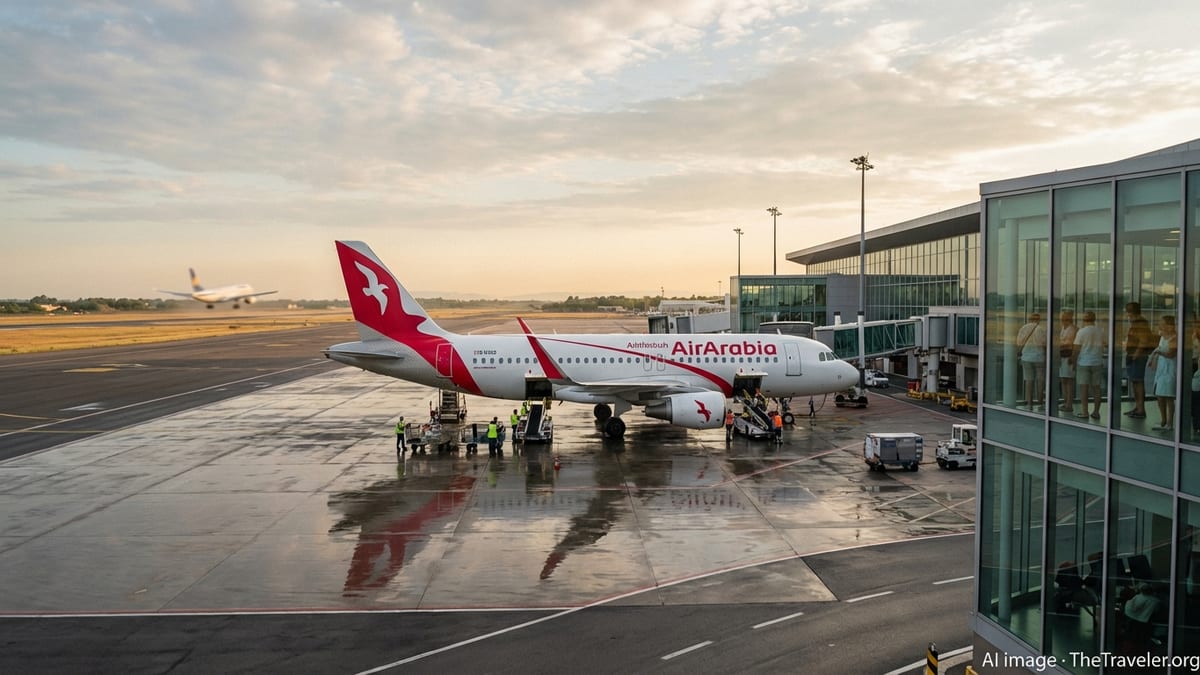
Groundings Hit Major Transatlantic and Regional Routes
Publicly available tracking data and airport information on Tuesday indicate that at least four flights operated by or on behalf of easyJet, United Airlines and American Airlines were grounded or significantly disrupted at Rome Fiumicino, triggering schedule changes along several high-demand corridors. The affected services include transatlantic departures linking Rome with North American hubs, as well as short and medium haul routes feeding traffic to and from key European gateways.
United and American, which both rely on Rome as a summer-season bridge between the United States and Italy, saw selected departures removed from schedules or held on the ground for extended periods. These adjustments reduced same-day capacity between Rome and major U.S. and Canadian cities and forced some travelers onto later flights or alternative routings through other European transit points.
For easyJet, which operates an extensive network from Fiumicino into Northern and Central Europe, the latest grounded service added pressure to a schedule already operating close to peak seasonal demand. Even a limited number of cancellations can generate a ripple effect through the carrier’s network, complicating operations on routes to Switzerland, Denmark and other points in its pan-European system.
The combined impact of these disruptions at one of Europe’s busiest hubs left passengers facing a patchwork of new departure times, missed connections and gate changes, particularly for long-haul journeys that relied on Rome as a connecting point between regional European cities and intercontinental flights.
Knock-on Delays Spread Across Europe, North America and the Gulf
As flights were grounded or delayed out of Rome, the consequences quickly spread along onward routes. According to live route and schedule data for Fiumicino, rotational aircraft that would ordinarily cycle between Rome and cities such as Geneva, Zurich, Copenhagen and Athens encountered constraints, raising the risk of departure delays on subsequent sectors.
On transatlantic links, disruptions to Rome departures placed added strain on connections to hubs serving both the United States and Canada. Travelers booked on itineraries via Rome to destinations including New York, Chicago and other major North American cities faced rerouting, extended layovers or rebooking where same-day alternatives were limited or fully booked.
Routes connecting Rome with Gulf and Middle Eastern hubs, including services feeding long-haul flights to and from the United Arab Emirates, were also affected indirectly. Aircraft and crew that arrived late into Fiumicino, or that were planned to operate onward sectors after a grounded leg, contributed to tighter turnaround windows and revised departure estimates, particularly during the busiest parts of the day.
The web of delays underlined the sensitivity of Europe’s air traffic system to operational disruptions at a single large hub. Even a small cluster of grounded flights can require airlines to reshuffle aircraft, crews and passenger itineraries across multiple regions before schedules begin to stabilize.
Recent Strikes and Congestion Heighten Operational Strain
The latest setbacks at Leonardo da Vinci airport come against a backdrop of a challenging spring for air travel in Italy. Earlier in May, nationwide strike action and operational issues led to dozens of cancellations and major delays at Rome and other Italian airports, reducing resilience in airline schedules and limiting spare capacity to absorb fresh disturbances.
Travel industry reports and passenger accounts from recent weeks describe long queues at security and border control, as well as pressure on ground transport links between the airport and central Rome during previous disruption days. These conditions have increased the risk that even modest schedule changes can cascade into missed connections, especially for travelers transferring from regional European flights onto intercontinental services.
In addition, the gradual roll-out of enhanced border checks for non-EU travelers, along with seasonal peaks in tourism, has contributed to heavier passenger flows through Fiumicino’s terminals. While these measures are intended to strengthen security and data collection, they can lengthen processing times at peak hours, complicating airline efforts to recover from same-day flight irregularities.
Combined with weather-related factors and air traffic control constraints elsewhere in Europe, the environment leaves airlines with less room to maneuver when a grounded aircraft or crew rotation problem arises at Fiumicino, increasing the likelihood that delays in Rome will be felt across several countries and regions.
Advice for Travelers Passing Through Rome Fiumicino
Travel organizations and passenger rights groups consistently recommend that travelers build extra time into itineraries involving Rome Fiumicino, particularly when connecting between short-haul European flights and long-haul services to North America or the Middle East. Longer layovers can offer a buffer against delays at security, passport control or inbound flights that arrive behind schedule.
Passengers booked on easyJet, United or American flights touching Rome are encouraged to monitor airline apps and airport departure boards closely on the day of travel and, where available, to enroll in flight-status alerts. Same-day notifications can help travelers react more quickly to gate changes, rolling delays or unexpected cancellations.
For those departing Rome, arriving at the airport earlier than the minimum recommended check-in time can help reduce the stress associated with congested terminals and potential bottlenecks at screening points. Travelers with onward connections to destinations in Canada, the United States, the United Arab Emirates or other long-haul markets may benefit from arriving even earlier, given the additional document checks sometimes associated with intercontinental travel.
Travelers whose flights are grounded or subject to long delays can consult airline conditions of carriage and relevant European air passenger regulations to understand possible entitlements to rebooking, care or compensation. These frameworks vary by airline and by the cause of disruption, but they provide an important reference point for passengers navigating unexpected schedule changes.
Outlook for Fiumicino’s Summer Travel Season
Looking ahead to the heart of the summer season, Rome Fiumicino is expected to remain one of Europe’s busiest hubs, with robust demand from leisure and visiting friends-and-family travelers. Carriers including easyJet, United and American have maintained or expanded seasonal services into the Italian capital, banking on strong transatlantic and intra-European demand.
However, the latest disruptions highlight the importance of operational resilience at large gateway airports. Analysts following European aviation trends note that high aircraft utilization, tight crew rosters and limited slack in peak schedules can all amplify the impact of isolated groundings or technical issues on a given day.
Airlines and airport operators have signaled a focus on improving punctuality and managing passenger flows more effectively through terminals, particularly during morning and late-afternoon peaks when many long-haul flights arrive and depart. Incremental gains in these areas could help limit the spread of delays in the event of future disruptions.
For travelers, the situation at Rome Fiumicino serves as a reminder to plan conservatively, keep abreast of live information and consider flexible booking options where possible. As summer approaches, those steps may prove decisive in keeping journeys on track, even when unexpected groundings momentarily unsettle the city’s global air links.