


More news on this day
Hat Yai International Airport in southern Thailand has reopened its runway after a fire and rescue vehicle tipped over while responding to an incident, temporarily closing the airfield and delaying at least a dozen flights serving the busy cross-border hub.
Get the latest news straight to your inbox!
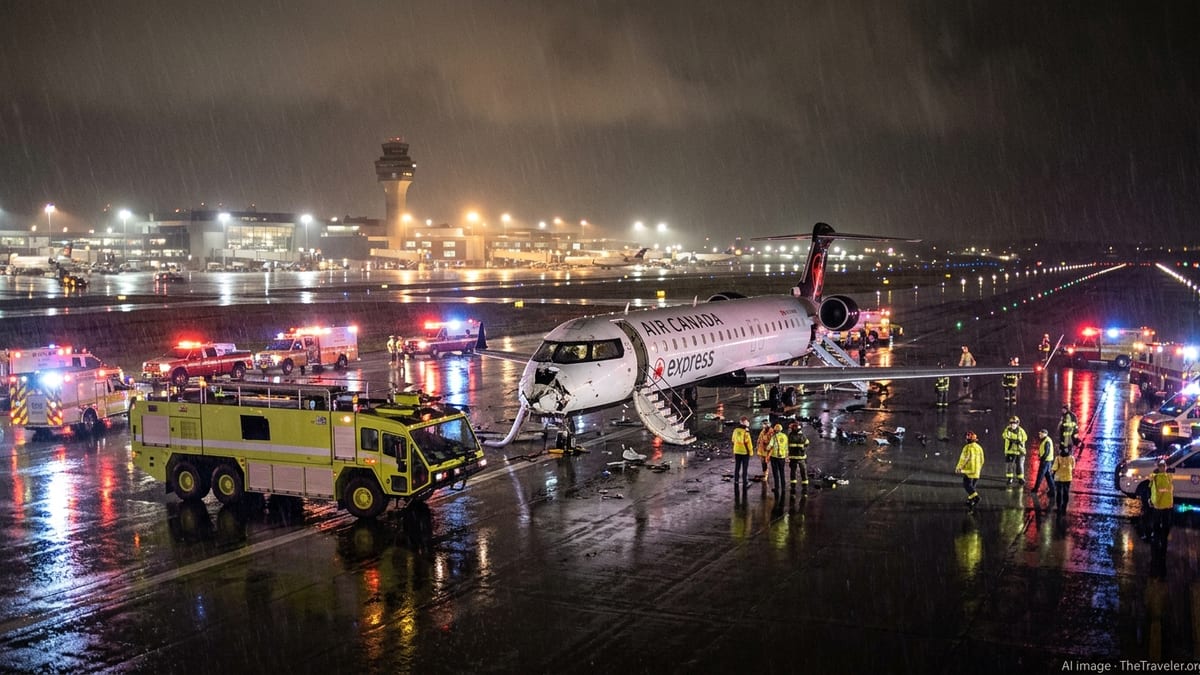
Runway closure after airfield vehicle overturns
Early reports from Thai media and aviation tracking platforms indicate that the disruption began when an airport firefighting vehicle was involved in an accident on or near the active runway at Hat Yai International Airport. The truck was understood to be moving in response to an alert when it overturned, leaving debris and emergency equipment in an area that required an immediate safety inspection.
Runway closures linked to ground vehicle incidents are relatively rare, but procedures require airport operators to halt movements until the surface is confirmed to be clear of debris and structural damage. At Hat Yai, this meant suspending both departures and arrivals while emergency teams recovered the vehicle and inspected the pavement.
The incident came at a time when Hat Yai has been working to stabilize operations following months of weather-related disruption and heavy demand on domestic and cross-border routes, particularly to Bangkok, Phuket and Malaysian gateways. The temporary closure added a further operational test for ground handlers and airlines that rely on tight turnaround times.
At least 12 flights delayed and knock-on disruption
Published flight data and local coverage suggest that at least 12 domestic and regional services experienced delays as a direct result of the runway closure. These included flights linking Hat Yai with Bangkok’s main airports, as well as services to Malaysian destinations that are popular with leisure travelers and cross-border workers.
Airlines adjusted schedules, held departures at origin airports and, in some cases, extended turnaround times while waiting for clearance to operate into or out of Hat Yai. Passengers already in the terminal reportedly faced shifting departure times as airport authorities worked to sequence the backlog once the runway became available again.
Although the number of directly affected flights was limited, the impact spread beyond Hat Yai as aircraft scheduled to operate onward legs were held in place. This created a rolling pattern of minor delays on some routes through the day, a common outcome when a single-runway regional airport experiences an unexpected interruption.
Runway inspection and safety checks before reopening
Before the runway could reopen, airport teams conducted what publicly available information describes as a full foreign object debris inspection, looking for loose material, vehicle parts or fluid spills that could pose a risk to subsequent landings and takeoffs. Any sign of damage to runway lighting, markings or surface integrity would have required additional engineering checks.
Once the overturned fire vehicle was removed and initial surveys were complete, the runway underwent a further assessment to confirm that friction levels and braking conditions met regulatory standards. These procedures are standard practice following any incident involving heavy ground equipment near an active movement area.
Only after those inspections were finished was the runway declared ready for use, allowing the first departures and arrivals to resume. Flight tracking services showed operations gradually normalizing over the following hours, with delays tapering off as the day progressed.
Travelers urged to monitor schedules closely
For travelers, the Hat Yai runway closure was a reminder of how quickly local incidents can ripple across airline networks. Passengers connecting from Hat Yai to long haul flights through Bangkok or Kuala Lumpur were among those most exposed to the risk of missed onward services.
Airlines generally responded by rebooking affected travelers on later departures where possible and by adjusting crew and aircraft rotations to recover disrupted schedules. Publicly available updates emphasized that passengers should continue to check their flight status directly with carriers or through official airport channels, especially on routes with limited daily frequencies.
While most delays at Hat Yai following the reopening were measured in hours rather than days, the timing of the incident underscored the importance of building buffers into travel plans, particularly during periods of high demand or unsettled weather across southern Thailand.
Spotlight on airfield safety and critical response vehicles
The accident has drawn attention to the role of firefighting and rescue vehicles, which are essential for airport safety but operate in complex, time-sensitive environments. These vehicles are required to reach any point on the runway within minutes, which means they frequently move at speed in areas shared with aircraft and other ground traffic.
Aviation safety specialists note that incidents involving emergency vehicles can stem from a mix of operational pressure, visibility issues, and the challenges of coordinating movements during real or perceived emergencies. Training, clear procedures and robust communication protocols between air traffic services and ground units are key defenses designed to keep such events rare.
At Hat Yai, publicly available reporting indicates that a formal review of the accident circumstances is expected, focusing on vehicle handling, route planning and any potential contributing factors. Findings from such reviews typically inform updates to local operating rules and may feed into broader national guidance for airport emergency response across Thailand.