


More news on this day
Thousands of passengers flying through Heathrow and Gatwick are facing ongoing disruption after a major air traffic control failure led to more than 2,000 flights being delayed or cancelled across the UK, with regulators warning that most travellers are unlikely to receive compensation.
Get the latest news straight to your inbox!
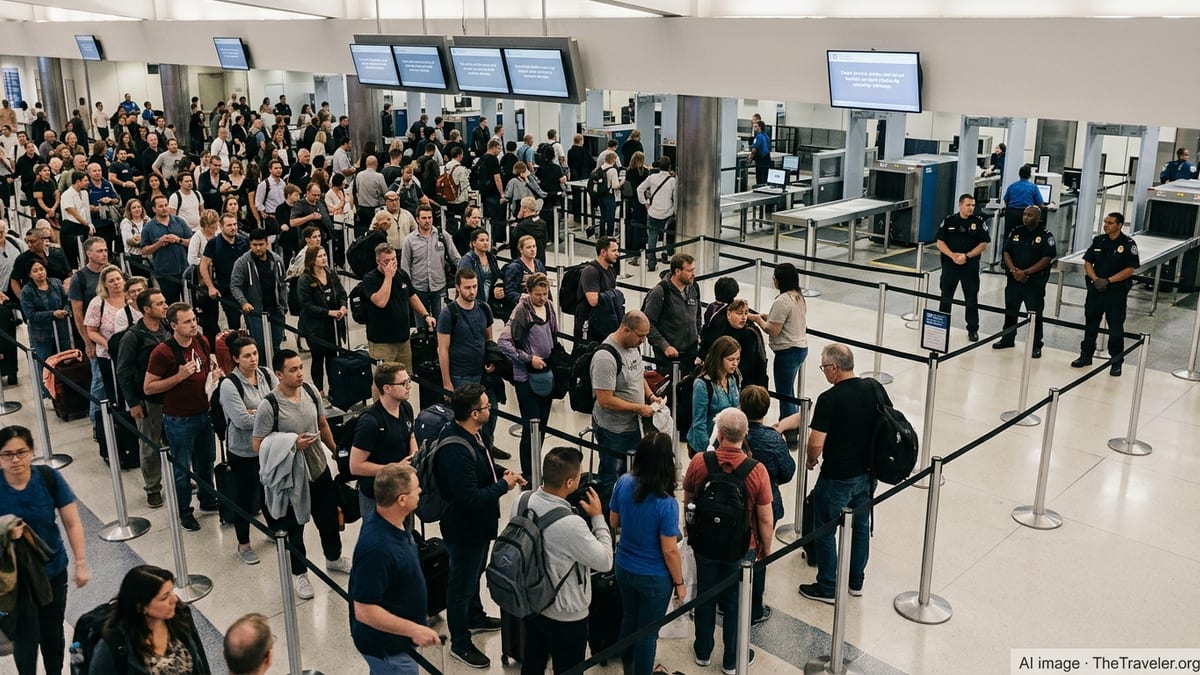
Air traffic control failure triggers widespread disruption
Travel across the UK aviation network remains heavily disrupted after a technical problem in the flight processing system used by air traffic control operator NATS forced airlines to cancel or delay more than 2,000 services over recent days. Live updates from London’s Heathrow and Gatwick airports show continued knock on effects as carriers attempt to reposition aircraft and crew and clear the backlog of stranded travellers.
Reports from flight tracking platforms indicate that more than 2,100 flights to, from and within the UK have been affected over a two day period, with Heathrow and British Airways among the worst hit. Gatwick has also seen significant cancellations and delays as schedules were thinned out to manage reduced airspace capacity.
Although NATS has confirmed that the underlying technical issue has been resolved, airlines are warning that residual delays could last for several days while operations are gradually restored. Travellers are being advised to monitor their airline’s latest information closely and avoid travelling to the airport unless their flight is confirmed as operating.
Heathrow and Gatwick passengers face cancellations and long waits
At Heathrow, departure boards have shown hundreds of cancellations and heavily delayed services as aircraft and crews remain out of position. Some long haul flights have been turned back or diverted to alternative airports, leaving passengers facing extended waits for rebooked connections and overnight accommodation.
Gatwick has experienced a smaller but still significant wave of disruption, with short haul European and domestic routes particularly affected. Passengers have described spending hours on aircraft waiting for departure slots, only to be informed that their flights could not operate once crew duty limits and airport curfews were taken into account.
Airport information pages emphasise that travellers should check the live status of their flights directly with airlines and arrive at the airport only if their service is confirmed to be running. Publicly available guidance stresses that while airports provide information and basic support, it is airlines that hold primary responsibility for looking after passengers whose journeys are disrupted.
Why most passengers are unlikely to receive compensation
The UK Civil Aviation Authority has issued guidance indicating that passengers hit by this week’s disruption are unlikely to qualify for fixed sum compensation payments. Regulators have highlighted that the air traffic control failure is expected to be classified as an example of “extraordinary circumstances” under UK passenger rights rules.
Under existing legislation derived from EU261 and now reflected in UK law, airlines must provide compensation when delays or cancellations are within their control, such as staffing or routine technical issues. However, when problems arise from factors outside the airline’s control including air traffic control outages, severe weather or airport closures, carriers are generally exempt from paying compensation, even when the impact on passengers is severe.
Government travel guidance sets out that air traffic control decisions and systemic failures are typical examples of extraordinary circumstances. In such cases, the law focuses on a duty of care rather than cash payments. This legal framework underpins the CAA’s warning that, despite the scale of the disruption at Heathrow, Gatwick and other UK airports, most travellers will not receive compensation for their lost time.
What duty of care passengers can still expect
While compensation is unlikely, UK rules do require airlines to look after passengers when flights are heavily delayed or cancelled. The CAA’s published guidance on delays makes clear that once a disruption reaches certain thresholds, carriers must provide meals and refreshments, access to communication, and hotel accommodation with transfers where an overnight stay becomes necessary.
These obligations apply regardless of the cause of the disruption and do not depend on whether compensation is payable. Passengers whose flights are cancelled are also entitled to a refund of the unused portion of their ticket or rebooking at the earliest opportunity or on a later date that suits them, subject to seat availability.
However, travellers should be aware that reimbursement for incidental costs is limited. Official advice notes that airlines are unlikely to cover expenses such as luxury hotel upgrades or non essential purchases, and that passengers should keep receipts for reasonable costs directly linked to the delay, such as modest meals or local transport to accommodation.
Advice for affected travellers planning their next steps
Consumer advocates are urging passengers caught up in the Heathrow and Gatwick disruption to focus first on securing rebooking or refunds through their airline, then to pursue any duty of care costs and, where applicable, travel insurance claims. Experts suggest documenting events carefully, including screenshots of flight status information, booking confirmations and receipts for additional expenses.
Travellers whose flights have been cancelled may find that alternative departures from UK regional airports or different London airports are available sooner than direct replacements from Heathrow or Gatwick. However, in such cases it is important to confirm in advance what costs the airline will cover, as passenger rights are more limited for journeys pieced together across separate tickets.
With residual disruption expected to linger while airlines reset their networks, those with flexible travel plans are being encouraged to consider deferring non essential trips until schedules have stabilised. For those who must travel, checking live flight information and arriving at the airport prepared for extended waits remains essential as the UK aviation system works to recover from one of its most significant recent air traffic control failures.
Sources: Evening Standard live Heathrow and Gatwick disruption coverage; Sky News UK airports disruption and compensation guidance; UK Civil Aviation Authority guidance on delays and passenger rights; UK government air passenger travel guide