


More news on this day
Passengers travelling through London Heathrow Airport are encountering fresh disruption today, with flights cancelled or heavily delayed across several terminals as the hub grapples with knock-on effects from recent incidents, weather-related backlogs and ongoing capacity constraints.
Get the latest news straight to your inbox!
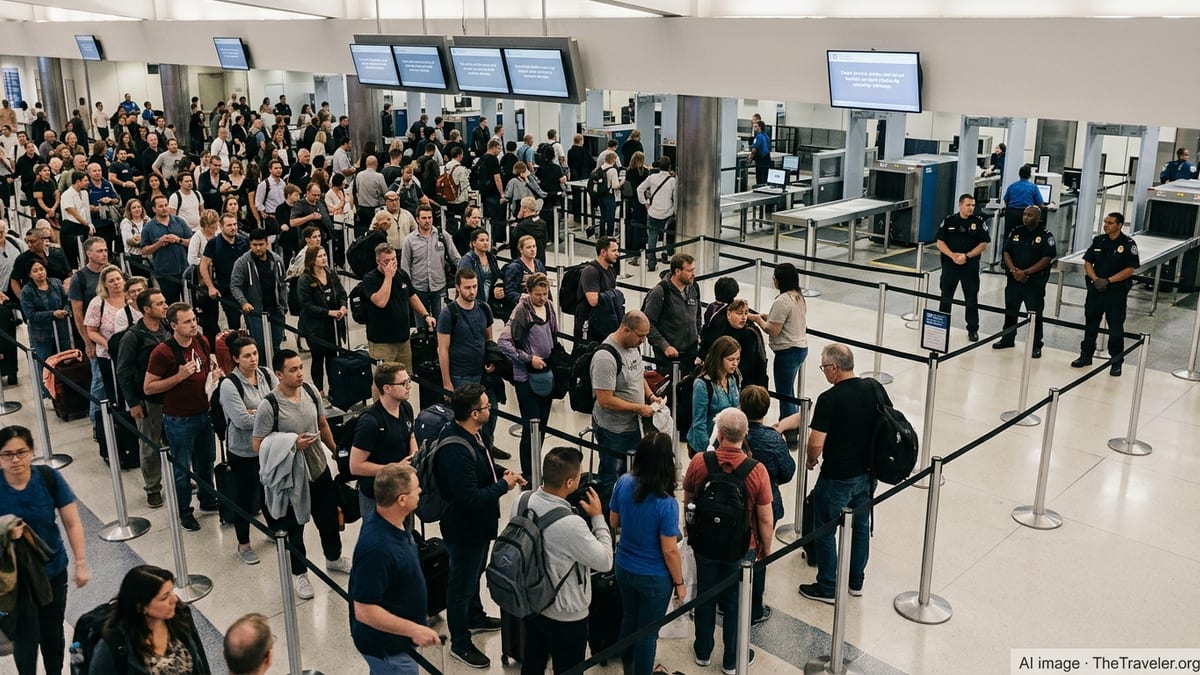
Dozens of flights affected across arrivals and departures
Publicly available data from airline schedules and live departure boards indicates that Heathrow is once again seeing an elevated number of cancellations and extended delays today, affecting both short haul and long haul routes. While the majority of services are still operating, clusters of flights in peak morning and late afternoon banks show delays of an hour or more, alongside a series of same-day cancellations.
Reports from flight tracking platforms show that late-running inbound aircraft are a major factor, with aircraft arriving behind schedule from North America and Europe and then departing late from Heathrow as a result. In some cases, aircraft have been turned around quickly but still left the stand significantly behind timetable, creating a visible pattern of downstream disruption on the boards.
Long-haul services appear to be particularly exposed where they rely on tight overnight rotations and aircraft arriving from regions already affected by weather or airspace congestion. Several transatlantic and Middle Eastern routes are operating with extended delays, while some late-evening departures have been removed from schedules altogether, leaving passengers to be rebooked on alternative days or routings.
European feeder services are also experiencing disruption as airlines attempt to rebalance aircraft and crew, meaning that some short-haul passengers are facing cancellations even where local conditions at Heathrow appear relatively stable.
Knock-on from recent incidents keeps pressure on Heathrow operations
Today’s disruption follows a series of operational challenges in recent days, including a reported runway-area fire that temporarily halted movements and led to diversions and missed connections. Travel forums and passenger reports describe a cascading effect, with aircraft and crews out of position, adding strain to an already tightly scheduled operation at one of the world’s busiest hubs.
Heathrow’s dual-runway configuration and slot-constrained status mean there is limited slack in the system when earlier days have seen closures or prolonged flow restrictions. Aviation analysts frequently note that when major hubs experience even a short interruption, the recovery can take several days, particularly in the summer travel period when schedules are dense and spare aircraft capacity is limited.
Weather has also been an intermittent contributor to disruption in the London airspace in recent weeks, with low cloud, strong winds and thunderstorms prompting air traffic flow restrictions at times. Even when conditions appear improved at ground level, residual caps on arrivals or departures can keep delays elevated, especially around peak connecting banks.
Industry commentary suggests that airlines at Heathrow are continuing to work through backlogs from earlier disruptions, prioritising routes with the highest passenger loads and limited alternatives. That triage can leave thinner routes more vulnerable to cancellations when aircraft or crew remain in the wrong place after prior incidents.
Impact on passengers: missed connections, overnight stays and baggage stress
For passengers, today’s pattern of disruption is translating into missed onward connections, lengthy rebooking queues and additional costs for overnight accommodation in the London area. Connecting travellers heading to long-haul destinations appear particularly exposed when short-haul feeders from Europe arrive too late for onward flights, forcing same-day connections to be abandoned.
Social media posts and travel community discussions describe passengers facing rebookings one or two days later on busy long-haul routes, especially where alternative hubs are also heavily loaded for the summer season. Some travellers report being rerouted via other European airports, while others have been shifted onto partner airlines or different London departures where space allows.
The operational strain is also visible in baggage handling. Recent belt outages and staffing pressures at Heathrow’s largest terminal have created concerns among passengers about checked luggage, and today’s wave of missed connections heightens the risk of bags failing to make tight transfers. Commentators on aviation forums advise travellers to keep essential items and short-stay necessities in carry-on luggage where possible while disruption remains elevated.
Travel insurance and passenger rights rules remain a key consideration for those incurring hotel, meal or replacement transport costs due to cancellations and long delays. Consumer groups consistently recommend that affected travellers retain receipts and keep records of airline communications when seeking reimbursement or claiming under travel policies.
Airlines adjust schedules and capacity as they navigate summer peaks
According to published airline updates and schedule changes tracked in recent days, several carriers operating at Heathrow have made short-notice adjustments to timetables in an effort to stabilise operations. These range from trimming flight frequencies on selected long-haul routes to consolidating lightly booked services onto single departures where aircraft and crew availability is tight.
Some planned capacity increases on certain routes have been scaled back, with additional frequencies deferred or withdrawn ahead of time. Industry observers describe this as an attempt to avoid last-minute cancellations on the day of travel by simplifying networks and freeing up aircraft to absorb unexpected delays elsewhere in the system.
The wider backdrop includes regulatory measures designed to give airlines limited flexibility to hand back slots in the current season without permanently losing their rights, a response to the ongoing volatility created by geopolitical tensions and airspace closures in parts of the Middle East region. That framework aims to balance consumer protection with recognition that operating every planned service may not always be feasible under current conditions.
Despite these measures, the combination of high summer demand, constrained airport capacity and complex long-haul routings means Heathrow’s operation remains finely balanced. Any new incident, from a technical outage to sudden weather deterioration, can quickly translate into additional same-day cancellations or lengthy delays.
Advice for travellers using Heathrow today
Travel information published by airlines and the airport indicates that flights continue to depart and arrive across all terminals today, but with a higher-than-normal risk of disruption. Passengers booked to travel are being urged through public channels to monitor their flight status closely and allow extra time for check-in, security and transfers between terminals.
Given the potential for last-minute schedule changes, industry watchers recommend that travellers check both their airline’s app and the latest departure boards before setting out for the airport. Those with tight same-day connections may wish to explore earlier feeder options where possible, or discuss with their carrier whether rebooking onto more robust routings is available.
For passengers still making new bookings that involve Heathrow today, travel experts often highlight the benefits of longer connection windows, flexible or changeable tickets and comprehensive travel insurance that clearly covers delays and cancellations. These precautions can provide additional options if disruption continues or intensifies over the course of the day.
With Heathrow remaining a central hub for European and intercontinental travel, the situation is being watched closely by airlines, analysts and passengers alike. Today’s cancellations and delays underline how quickly operations at such a busy hub can be affected when recent incidents, weather and airspace pressures combine, leaving travellers to navigate another challenging day at the UK’s largest airport.