


More news on this day
British travellers heading to France over the coming weeks are being urged to review official guidance as the UK government updates its travel advice to reflect heightened security concerns, ongoing protests and tighter enforcement of local laws across the country.
Get the latest news straight to your inbox!
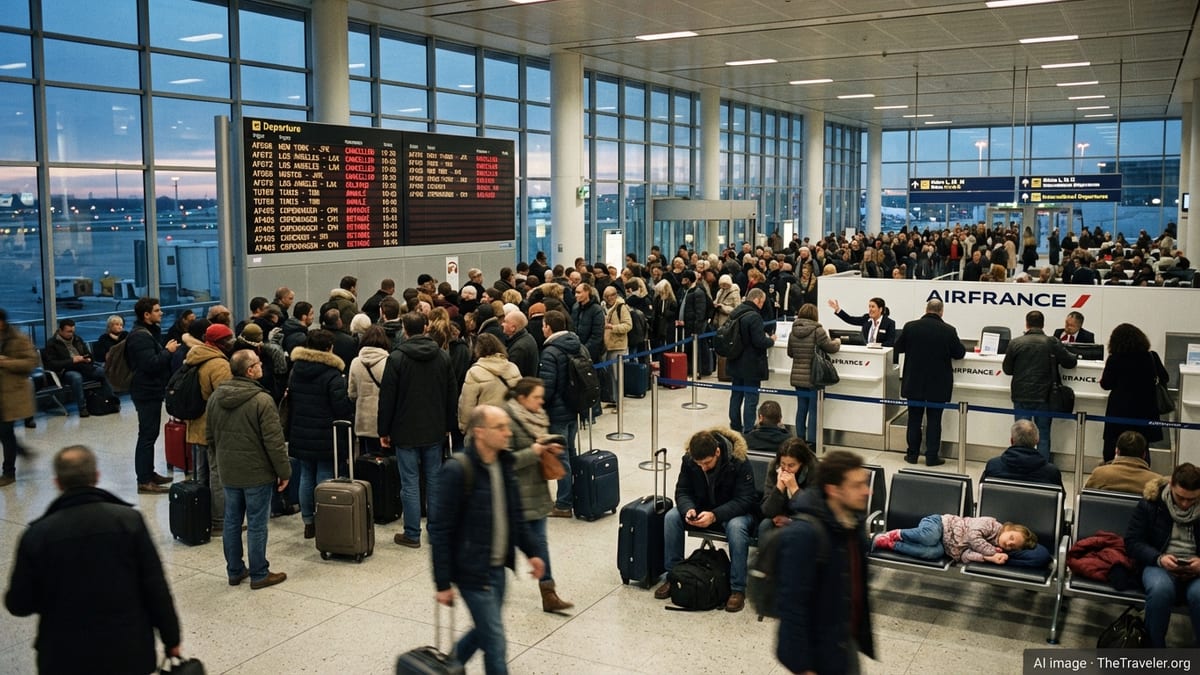
Updated UK guidance highlights security concerns
Publicly available Foreign, Commonwealth & Development Office (FCDO) guidance for France, updated on 22 October 2026, underlines that there is a high threat of terrorist attack globally affecting UK interests and British nationals, and advises travellers to remain vigilant, especially in busy public places and at large events.
The FCDO pages for France reference previous knife attacks in central Paris and note that French security measures can be raised at short notice in response to specific threats. Travellers are advised to monitor local news before and during their trip and to follow any visible security instructions at stations, airports, stadiums, shopping areas and major tourist sites.
France continues to operate its national Vigipirate security framework, which can trigger enhanced bag checks, armed patrols and temporary closures at attractions when the alert level is raised. Other national advisories, including those from Canada and Australia, currently echo a similar “exercise a high degree of caution” stance for visitors, citing the ongoing terrorism risk.
While there is no UK advice against travel to France, the tone of recent updates places renewed emphasis on personal security planning, encouraging British visitors to register for FCDO email alerts so they are notified quickly if the situation changes.
Protests and unrest disrupt travel plans
Concerns about civil unrest have moved higher up the agenda following a new wave of nationwide demonstrations. Recent coverage from international outlets describes major protests planned for 24 October 2026, with Paris museums such as the Louvre announcing temporary closures and French authorities deploying tens of thousands of officers in an effort to contain potential violence.
UK travel advice warns that demonstrations and political gatherings in France can take place with little or no notice, especially in large cities. Marches are often focused on central districts, transport hubs and symbolic squares, which can lead to route closures, suspended bus services and diversions on tram or surface transport.
Reports from Paris-focused travel forums over the past week describe heavily policed protest routes, temporary shutdowns of specific metro exits and closures of monuments such as the Arc de Triomphe on demonstration days. Although the majority of visitors posting online state that they have been able to continue their trips, many mention needing to reroute journeys at short notice or avoid particular neighbourhoods during the evenings.
The FCDO guidance advises anyone travelling to or within France to check local media, follow transport operator updates and move away promptly from any large gathering. Travellers with fixed-time reservations, such as long-distance trains or timed-entry museum tickets, are being urged to allow extra travel time in case of disruption around protest areas.
Border checks tighten under new EU entry rules
British nationals are also being advised to prepare for longer waits at the border as France rolls out the European Union’s Entry/Exit System (EES). Financial and travel industry analysis indicates that non-EU visitors, including UK passport holders, now have their fingerprints and facial image captured on their first arrival under the scheme.
The new controls apply at French external Schengen borders used by British travellers, including ferry ports, Channel Tunnel terminals and Eurostar departure points, where juxtaposed immigration checks are carried out before boarding. Travel commentators recommend allowing additional time at departure, particularly at busy Channel crossings during weekends and school holidays.
UK-based travel briefings note that some countries, France among them, may ask arriving travellers to show evidence of accommodation and medical cover alongside standard passport checks. Holidaymakers are being encouraged to have proof of hotel or rental bookings and travel insurance details easily accessible, in case they are requested by border officers.
Although the EES is designed to speed up future crossings once initial registration is complete, early reports point to bottlenecks while systems are bedded in. The UK government advice therefore stresses the importance of checking with carriers for the latest check-in recommendations and potential delays.
Driving, alcohol and on-the-spot penalties for visitors
One of the clearest warnings for British visitors concerns driving in France. The official UK travel advice highlights that France’s drink-driving limit is significantly lower than in England and Wales, and that police carry out frequent roadside checks for alcohol and drugs using breath and saliva tests.
Public information from the French authorities sets out that foreign motorists can face on-the-spot fines, vehicle impoundment and, in some cases, immediate licence suspension for serious offences such as excessive speeding or driving under the influence. Payment is often required immediately for non-residents, making it important for travellers to have a means of covering unexpected penalties.
The FCDO pages also remind drivers heading to France to check whether they need a UK identifier sticker on their vehicle, to ensure they carry the legally required safety equipment and to familiarise themselves with local rules on using lanes reserved for buses or Olympic-related traffic in and around Paris. In addition, several national advisories draw attention to stricter enforcement of seatbelt and child-seat regulations.
Car rental customers are advised to read their contracts carefully, as administrative charges for traffic infringements are commonly passed on by hire companies. Travellers using their own vehicle on ferries or the Channel Tunnel are being urged to verify their insurance covers driving in France and to keep documents readily available in case of roadside checks.
Practical steps for British travellers now
Given the combination of heightened security awareness, protest activity and evolving border procedures, British holidaymakers are being encouraged to prepare more thoroughly before travelling. Official UK guidance recommends that travellers purchase comprehensive travel insurance, check passport validity, review medical cover and sign up for email updates for France so that they receive any new warnings as soon as they are issued.
Recent advice from multiple governments stresses that visitors should keep digital and paper copies of key documents, including passports, tickets, accommodation confirmations and insurance certificates. Having these to hand can help if questions are raised at the border or if belongings are lost or stolen during a trip.
For those already in France, publicly available information advises staying aware of local developments by following mainstream French and international news outlets, paying attention to announcements on public transport and heeding security notices at venues and attractions. Travellers concerned about specific locations are directed to check local authority channels for details of planned demonstrations, security perimeters or temporary closures.
The overall message from current UK travel advice is not to cancel trips outright, but to approach journeys to France with increased caution, flexibility and awareness, particularly over the coming days while large-scale protests and enhanced security measures remain in focus.