


More news on this day
The United States has raised its Kenya travel advisory to Level 3, urging citizens to reconsider travel just as the country’s peak safari season approaches, prompting fresh questions for tour operators, conservation areas, and travelers weighing trips to the Masai Mara, Amboseli, and other flagship wildlife reserves.
Get the latest news straight to your inbox!
Advisory Shift and the New Risk Landscape
Publicly available information from the US Department of State shows that on October 19, 2026, the overall travel advisory for Kenya was updated from Level 2, which advises increased caution, to Level 3, which urges travelers to reconsider travel. Kenya now appears on the State Department’s global advisory list at Level 3 with risk factors including health, crime, civil unrest, kidnapping, terrorism, and other safety concerns. The change comes after several years in which Kenya had been classified at Level 2 for most visitors.
The detailed advisory for Kenya highlights specific concerns in different parts of the country. Long-standing guidance continues to advise against travel to areas near the Somalia border and parts of the northern and coastal regions because of kidnapping, terrorism, and banditry, while certain Nairobi neighborhoods are listed as higher-risk because of violent crime. The Level 3 rating now applies to the country as a whole, even though risk levels vary significantly between regions frequently visited by safari travelers and the areas singled out for the highest caution.
Recent international coverage indicates that health considerations, including a regional Ebola outbreak, were a key factor in the October revision, layered on top of existing security and crime concerns. Reporting in global and African media notes that the new advisory does not constitute a travel ban but signals that travelers should carefully review their plans, monitor health updates, and be prepared for fast-changing conditions and possible disruption.
Kenyan government tourism reports for 2024 and 2025 depict a sector that had been steadily recovering from the pandemic, with rising visitor numbers and revenue driven in part by long-haul markets such as the United States. Industry observers now see the higher advisory level as a potential brake on that momentum, particularly for first-time visitors who rely heavily on official notices when choosing destinations.
Safari Heartlands Remain Operational but Under Scrutiny
Safari circuits centered on the Masai Mara, Amboseli, Laikipia, Samburu, and Tsavo remain open, and there has been no indication in official Kenyan tourism documents of park closures linked directly to the US advisory change. Most leading conservancies and national parks are located far from the border and coastal areas highlighted in higher-risk guidance, a distinction that tour planners say is important for travelers assessing itineraries.
Standard US travel advisory language for Kenya continues to distinguish between the nationwide Level 3 rating and more restrictive instructions for specific counties and neighborhoods. For many safari-goers, time spent in Nairobi is limited to transits through Jomo Kenyatta International Airport or short hotel stays before and after wildlife trips, with the bulk of the journey occurring in controlled reserve environments reached by domestic flights or private road transfers.
Available industry briefings aimed at airlines and travel intermediaries emphasize that entry formalities for Kenya have not changed in response to the advisory update. Travelers are still required to obtain an electronic travel authorization before arrival, hold passports valid for at least six months beyond entry with sufficient blank pages, and carry a yellow fever vaccination certificate when arriving from certain countries. Health-focused guidance instead centers on monitoring official disease updates, reviewing vaccination recommendations, and confirming that medical and evacuation insurance includes high-risk destinations.
Safari operators are responding by reviewing contingency plans, tightening pre-trip communication, and reiterating existing security protocols, such as using vetted transfer providers and avoiding non-essential movement at night in urban areas. Some are also encouraging guests to build additional flexibility into itineraries, including longer layovers and more generous connection times, in case of screening delays or short-notice schedule changes.
Potential Impact on Bookings, Pricing, and Source Markets
Kenya’s most recent tourism performance reports describe the United States as one of the country’s most valuable long-haul markets in terms of spending power and visitor numbers. Pre-advisory figures showed American arrivals growing, though not yet fully back to pre-pandemic levels, with safari-focused itineraries and beach add-ons along the coast among the most popular trips. Any hesitation among US travelers therefore carries outsized significance for camps, lodges, airlines, and local communities whose livelihoods are tied to international tourism.
Tourism statistics released by Kenyan authorities for 2024 point to sustained growth in arrivals and revenue, supported by expanded air connectivity and active marketing campaigns in North America and Europe. Analysts following the sector note that a prolonged Level 3 rating could slow that trajectory by pushing some travelers to alternative destinations in southern and eastern Africa that currently sit at lower advisory levels. Early commentary from regional tourism watchers suggests that neighboring countries could see a short-term benefit if risk-averse travelers decide to reroute planned East Africa safaris.
Pricing effects are less clear at this early stage. There is no publicly available evidence yet of widespread discounting tied directly to the US advisory change, and many safari camps operate with thin capacity margins during peak migration and holiday periods. However, if the advisory remains in place into 2027 and bookings from North America soften, some operators may introduce value offers, shoulder-season promotions, or more flexible payment terms to stabilize occupancy without cutting published rack rates.
Local economic implications extend beyond high-end tourism. Government data on inbound tourism revenue for 2023 and 2024 show that wildlife tourism supports a broad ecosystem of jobs, from drivers and guides to staff in aviation, hospitality, handicrafts, and food supply chains. Any decline in safari traffic could therefore have knock-on effects for rural counties that rely on park fees, concession payments, and community-based tourism partnerships.
What Travelers Should Weigh Before Booking a Kenya Safari
For US travelers considering Kenya, the Level 3 advisory means that the federal government assesses a higher overall level of risk and encourages citizens to reconsider whether a trip is necessary at this time. It does not, however, prohibit travel or automatically invalidate tickets and tour confirmations. Travelers remain free to visit as long as airlines and Kenyan entry rules permit, but they are expected to accept a greater degree of personal responsibility for safety and contingency planning.
Public guidance from the State Department and other travel-health resources stresses the importance of traveling with robust medical and evacuation insurance, carrying sufficient prescription medications, and confirming that policies explicitly cover destinations under Level 3 advisories. Safari travelers are also urged to enroll in their government’s traveler registration programs so that they can receive security and health updates and be easier to contact in an emergency.
On-the-ground risk varies across Kenya, so trip planning now demands more attention to routing. Prospective visitors are encouraged, based on available advisory information, to understand which areas are listed under stricter warnings, to review park access routes, and to discuss contingency plans with tour organizers. Many overland safari routes can be adjusted to minimize time in urban areas or higher-risk counties while still including marquee wildlife experiences.
Travel advisers also point to practical steps that can reduce exposure, such as scheduling daytime transfers where possible, using recommended airport hotels, and keeping copies of key documents in secure digital form. For travelers who decide that the current risk profile is not acceptable, industry reports indicate that many safari operators continue to offer date changes or credits, especially when bookings are made through flexible policies introduced during the pandemic recovery period.
Outlook for Kenya’s Safari Sector Under a Level 3 Advisory
The medium-term outlook for Kenya’s safari industry under a Level 3 advisory will depend on how long the current health and security concerns persist and whether incident trends worsen or stabilize. Historical tourism data show that Kenya’s wildlife sector has navigated previous periods of heightened risk, including election-related unrest and global health scares, with recovery typically following improvements in security conditions and a downgrade in advisory levels.
Kenyan tourism strategies published in recent years emphasize product diversification, digital marketing, and a focus on higher-value visitors rather than pure volume. In that context, a sustained Level 3 rating could accelerate efforts to deepen engagement with markets less sensitive to US advisories, including intra-African and regional travelers, while also reinforcing the importance of safety investments in roads, air transport, and visitor services serving key parks.
Industry stakeholders are closely watching how other major source markets, such as the United Kingdom and European Union countries, adjust their own advisories in response to evolving conditions. If those remain more moderate than the US rating, Kenya may see a partial offset in demand even if North American bookings soften. Conversely, a broader tightening of travel advice could deepen the challenge for operators heavily exposed to long-haul tourism.
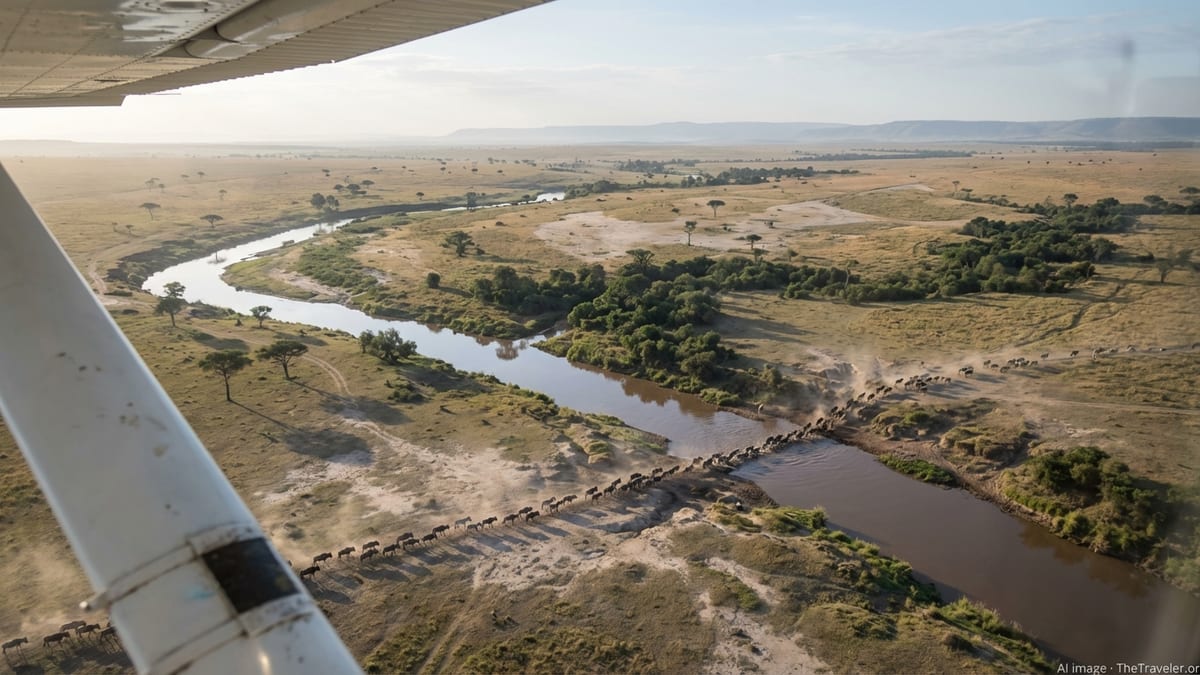
For now, Kenya’s savanna landscapes, migration spectacles, and big-cat viewing remain available to international visitors willing to accept the elevated risk indicated by the Level 3 advisory and to invest in careful preparation. How many choose to do so over the coming high seasons will help determine whether the October 2026 advisory revision proves to be a temporary setback or a longer-term inflection point for one of Africa’s best-known safari destinations.