


More news on this day
Heavy July rainstorms over eastern Massachusetts have triggered hundreds of flight delays and dozens of cancellations at Boston Logan International Airport, straining airline operations at one of the busiest hubs in the Northeast during peak summer travel.
Get the latest news straight to your inbox!
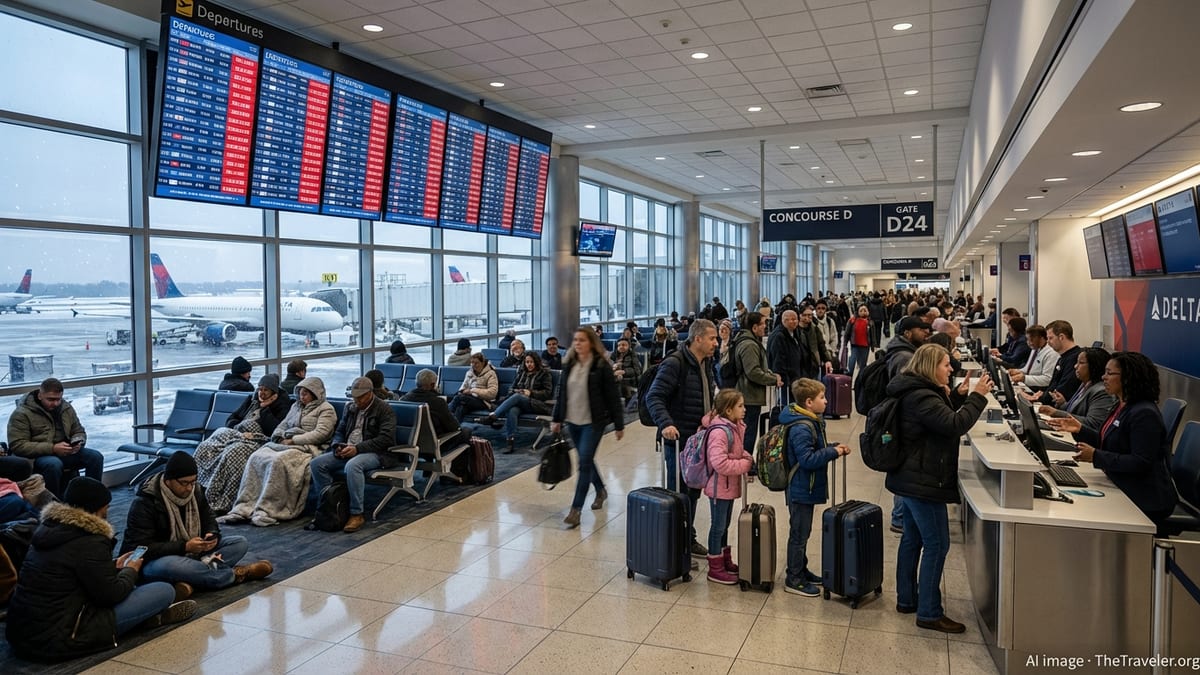
Stormy Skies Bring Prolonged Disruptions
Publicly available aviation data and local weather coverage indicate that a series of slow moving storm systems passed over Boston and the wider New England region through July 2026, producing repeated rounds of heavy rain, low clouds, and embedded thunderstorms. Those conditions periodically reduced visibility and forced air traffic managers to slow arrivals and departures into Boston Logan International Airport.
Federal aviation advisories for early and mid July describe airport arrival delays into Boston, with holding patterns and flow restrictions in place during periods of intense rainfall and convective weather. When storms clustered over the city and adjacent coastal waters, traffic management programs limited how many aircraft could land or take off each hour, creating backups that rippled through airline schedules.
Local meteorological reports for late July point to another surge of heavy rain and potential urban flooding in the Boston area, further complicating efforts to restore normal operations. These repeated rain events, layered on top of a busy holiday and vacation travel period, helped drive the high volume of delays and cancellations recorded at Logan during the month.
Observers tracking flight status data for Boston report that severe summer weather in the broader Northeast corridor, including New York and Washington, also contributed to disruptions. Storms along key routes forced rerouting and airborne holding, which in turn constrained gate availability and crew scheduling at Logan.
Hundreds of Delays, Dozens of Cancellations
Flight tracking tallies for July show that the combination of heavy rain and thunderstorms translated into hundreds of delayed operations and dozens of cancellations at Boston Logan. On the most heavily affected days, carriers struggled to keep up as arrival banks compressed and departure queues lengthened, with some aircraft waiting extended periods for takeoff clearance or a free gate.
Publicly accessible accounts from passengers describe departure times slipping by several hours, rolling delay notifications, and late night or early morning rebookings. Some travelers reported missing connections after extended ground holds, while others documented multiple schedule changes before their flights ultimately departed or were canceled outright.
Industry performance data for selected routes serving Boston during May through mid July show noticeable impacts from weather, with on time percentages lagging during stormy stretches. When isolated thunderstorms built directly over the airport or along approach paths, arrival delays routinely stretched beyond an hour. On several days in early July, advisory summaries described system wide slowdowns affecting both inbound and outbound traffic at Logan.
The resulting backlog affected not only local departures and arrivals but also onward connections to other domestic and international destinations. Airlines adjusted by trimming frequencies on certain routes, consolidating lightly booked flights, and prioritizing long haul departures when limited departure slots were available.
Compounding Factors Across a Busy July
While heavy rain and embedded thunderstorms were the primary driver of July disruptions, other operational factors added strain to Logan’s summer schedules. Earlier in the month, a fueling system issue at the airport prompted a temporary ground stop and a wave of diversions and cancellations. Published coverage of that incident notes that the technical problem led to flights being rerouted to nearby airports and created residual delays even after the system was restored.
Travel industry reporting and regional commentary indicate that air traffic control constraints in the Northeast also played a role during some July weather events. When storms limited runway use at major coastal hubs, capacity reductions at one airport often cascaded to others, including Boston. Flow restrictions meant that even flights ready to depart on time sometimes had to wait for an allocated departure slot.
Strong demand for summer travel magnified these pressures. With July marking one of the peak vacation months, many flights into and out of Logan were already near capacity. That reduced the flexibility airlines typically rely on to rebook disrupted passengers, leading to longer waits for alternative itineraries and an uptick in overnight stays for some travelers.
Commentary from aviation observers suggests that the interaction of heavy rain, thunderstorms, earlier infrastructure issues, and tight schedules created a fragile operating environment. Once significant delays developed on a given day, airlines sometimes struggled to recover fully before the next round of weather arrived.
Impact on Travelers and Airline Operations
For passengers, the practical effects of the July disruptions ranged from modest departures slipping by 30 to 60 minutes to full day delays and unexpected cancellations. Public posts from travelers portray crowded terminals, long customer service lines, and a scramble to secure hotel rooms or alternative transportation when flights were scrubbed late in the day.
Travel advisories from airlines and airport communications consistently urged passengers to check their flight status before heading to Logan, especially during periods when heavy rain or thunderstorms were in the forecast. Same day rebooking options were often limited during peak afternoon departure periods, with some travelers opting to shift their trips to early morning windows that historically see fewer thunderstorm impacts.
For airlines, the weather related disruptions had operational and financial consequences. Extended taxi times, additional fuel burn from holding patterns, and extra crew costs added pressure to operating budgets. Irregular operations also complicated aircraft rotations, leading to aircraft and crews being out of position for subsequent flights and adding to the number of late departures and missed connections.
Ground handling teams at Logan faced their own challenges working around downpours and lightning alerts, which sometimes required pausing ramp activity. When ramp operations temporarily stopped, boarding, baggage loading, and aircraft pushbacks were delayed, further adding to schedule slippage during the heaviest rain episodes.
What Travelers Can Expect Heading Into August
Forecast discussions for the Boston area at the end of July point to the continued possibility of heavy rain and thunderstorms, particularly during warm, humid afternoons. Aviation planning documents and historical patterns suggest that similar weather related disruptions may occur on days when storms align with peak arrival and departure periods.
Travel analysts reviewing recent performance at Boston Logan note that the airport has historically been vulnerable to weather related slowdowns when visibility drops and runway configurations are limited. During July 2026, those vulnerabilities were brought into sharp relief as repeated rain events coincided with strong travel demand.
Passenger facing guidance from airlines emphasizes flexibility during the heart of summer storm season. Travelers are encouraged, through publicly posted advisories, to allow extra connection time, monitor forecasts, and remain alert to schedule changes that may occur hours before departure if heavy rain is expected in Boston or along major flight corridors.
As August approaches, Logan and its airline partners are expected to continue relying on a mix of traffic management initiatives, schedule adjustments, and real time operational decisions to navigate around convective weather. The July pattern of heavy rain, while disruptive, has also provided a fresh test of contingency plans designed to keep passengers and crews moving during one of New England’s most weather sensitive travel periods.