


More news on this day
A freight train derailment in northern Mexico has triggered an environmental emergency just south of the Naco border crossing with Arizona, after tens of thousands of litres of a hazardous industrial chemical were released into a rural drainage system that feeds toward the binational Santa Cruz watershed.
Get the latest news straight to your inbox!
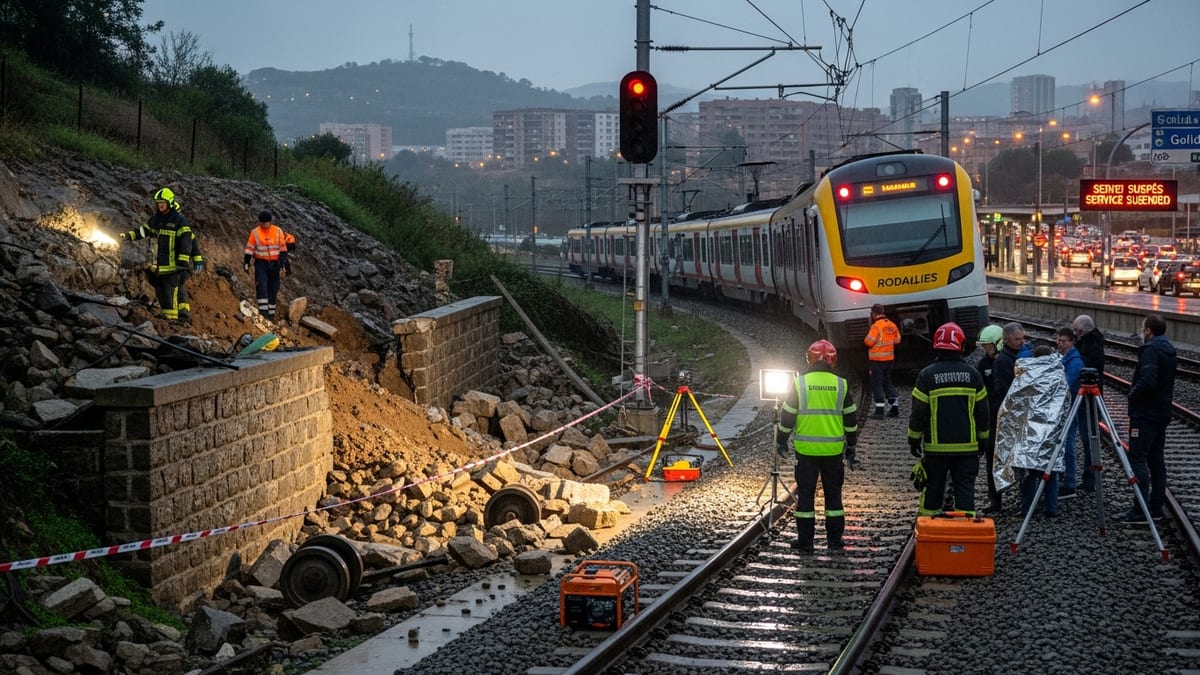
Derailment in Naco, Sonora near U.S. border
Recent Mexican media coverage describes how several tank cars of a Ferromex freight train left the tracks in the municipality of Naco, Sonora, a small border community opposite Naco, Arizona. The incident occurred near Rancho Potrero El Cobre in the Ejido Cuauhtémoc area, a few kilometres south of the international line and within the broader Santa Cruz River basin that links Sonora and southeastern Arizona.
Reports indicate that at least one tank car ruptured, releasing close to 59,000 litres of sodium hydrosulfide, a corrosive chemical used in mining and other industrial processes. The volume and location of the spill prompted Mexico’s federal environmental prosecutor to classify the situation as an environmental emergency and to send specialised teams to the site for inspection, containment, and sampling.
Initial information from national outlets in Mexico notes that no fatalities were recorded at the scene. However, the scale of the leak and the potential for the chemical to move through small streams during summer monsoon rains immediately raised concern for nearby rural communities and for cross-border waterways shared with Arizona.
Hazardous material and local health concerns
According to publicly available technical data referenced in Mexican press coverage, sodium hydrosulfide can produce toxic gases when it reacts with acids or water and can cause burns to skin and eyes upon contact. In high concentrations, vapours may irritate the respiratory system. These characteristics explain why environmental agencies on the Mexican side moved quickly to secure the affected railcars and to establish a perimeter around the spill.
Local reporting from Sonora details how part of the chemical entered nearby arroyos during rainfall, complicating containment efforts. Those intermittent streams ultimately drain toward a network of cross-border watercourses that link Naco and Cananea in Sonora with the upper Santa Cruz River and associated washes in Arizona. Environmental specialists quoted in regional analyses have highlighted the need for rapid water and soil testing along these channels to determine whether concentrations pose a persistent risk.
For residents in the Naco area, the main immediate risks described in public advisories are direct contact with contaminated water or soil and inhalation of vapours close to the spill site. With monsoon storms in the forecast, the potential remobilisation of residues from dry streambeds into flowing channels remains a key concern, particularly for ranches, farms, and small settlements downstream on both sides of the border.
Evacuations, road impacts, and implications for travelers
Coverage from national dailies in Mexico indicates that several dozen residents from rural areas near the derailment were moved as a precaution toward the larger mining city of Cananea. These temporary evacuations focused on families living closest to the affected arroyo network and to the rail corridor itself. Local authorities in Naco, Sonora, have also publicly discussed possible legal action over the incident, underscoring the level of concern in the community.
For cross-border travelers, the immediate rail accident unfolded on the Mexican side of the line and not directly at the Naco port of entry. Border-wait tracking services and regional media did not report a prolonged closure of the Naco, Arizona, crossing specifically linked to the derailment. However, road access on the Mexican side toward the rural crash area has been limited by emergency activities, and travelers moving between Naco and Cananea may encounter detours or slowdowns while cleanup continues.
Tourism and cross-border shopping in Naco are modest compared with larger Arizona ports such as Nogales, but the town serves as a quieter alternative for some travelers entering Sonora by car. Travel analysts following the incident suggest that visitors planning routes through southeastern Arizona and northern Sonora monitor local news and official advisories in the coming days, especially if further testing identifies contamination along streams that cross or approach highways near the border.
Environmental response and monitoring efforts
Statements quoted in Mexican environmental bulletins outline several lines of response, including chemical neutralisation, recovery of contaminated soil, and the removal or repair of damaged railcars. Environmental inspectors have been tasked with documenting the area affected, collecting samples from surface water and groundwater points, and verifying that the rail operator and associated companies implement remediation plans in line with national regulations.
Given the proximity to Arizona, regional coverage has also emphasised the importance of information-sharing with U.S. agencies responsible for water resources and emergency management. While no major contamination has yet been documented on the U.S. side, hydrologists interviewed in Mexican outlets note that monsoon-driven flash floods can rapidly transport pollutants over many kilometres along normally dry washes. Continuous monitoring in downstream areas is therefore considered essential in the short term.
Environmental organisations in Sonora and Arizona are expected to track the long-term recovery of the affected arroyo system, watching for impacts on vegetation, wildlife, and livestock. Any detectable contamination in wells or stock ponds would likely trigger additional advisories for ranchers and rural households, which form a key part of the tourism landscape through guest ranches and backcountry accommodations in the region.
Cross-border rail safety and tourism context
The derailment near Naco occurs amid wider discussions about rail safety and hazardous-materials transport in both Mexico and the United States. Recent years have seen a series of high-profile rail accidents involving chemicals, spurring debates on train length, track maintenance, and routing of dangerous cargoes near communities and sensitive ecosystems. Analysts point out that border regions, where freight lines converge with customs yards and highways, can present particular risks if aging infrastructure or intense freight traffic are not adequately managed.
For the travel sector, these incidents intersect with growing interest in binational rail links and cross-border tourism corridors in the Arizona-Sonora region. Proposals for enhanced passenger connections between Mexico and the U.S. Southwest have raised hopes for more sustainable travel options, but they also highlight the need to separate or better control hazardous freight operations along key tourist routes.
In the near term, tourism professionals in southeastern Arizona and northern Sonora are likely to reassure visitors that the derailment site lies away from the main tourist towns and highways, while still urging attention to any updated guidance regarding water use, outdoor recreation near affected streams, and possible air-quality notices during cleanup operations. Travelers planning hiking, birding, or ranch stays around the upper Santa Cruz basin may wish to verify local conditions before setting out, particularly following heavy rain events that could disturb residual contamination.