


More news on this day
Holiday travelers moving through Boston Logan International Airport on July 4 are facing a difficult start to their journeys, with publicly available flight-tracking data indicating at least 182 delayed departures and arrivals and nine cancelled services across major carriers including Republic, JetBlue, Delta, United, Southwest, and American, affecting routes throughout the United States as well as transatlantic links to Spain, Italy, and other European destinations.
Get the latest news straight to your inbox!
Busy Independence Day Rush Confronts Operational Strains
The spike in delays and limited cancellations at Boston Logan comes during one of the busiest travel periods of the summer, when holiday traffic typically converges with dense regular schedules. Flight-status boards on Saturday show a pattern of hold-ups across regional, domestic, and international routes, as aircraft queue for takeoff slots and inbound services arrive behind schedule.
Publicly available information indicates that large network airlines and their regional partners are bearing much of the strain. Flights operated by Republic for major brands, as well as mainline services for JetBlue, Delta, United, Southwest, and American, are among those running late. While the majority of affected flights are still expected to operate, many are departing or arriving well outside their scheduled times.
The overall disruption remains modest compared with large-scale meltdowns seen during severe weather or nationwide system outages, but the concentration of delays at a single hub is having a noticeable impact on passenger flows. Missed connections, tighter transfer times, and shifting gate assignments are contributing to longer-than-normal waits throughout several terminals.
Ripple Effects Across US Domestic Network
Within the United States, the knock-on impact from Boston is being felt on routes serving key business and leisure markets. Data from multiple route trackers show delays on short-haul services to nearby Northeast cities, including New York and other New England destinations, as well as on medium-haul flights to hubs in the Midwest and Southeast.
These patterns are typical of a busy holiday weekend, when tightly timed schedules leave limited room to absorb minor issues such as local congestion, earlier late arrivals, or brief weather slowdowns along the East Coast. Even relatively small initial delays can cascade through the day as the same aircraft cycles between multiple cities, amplifying disruptions for travelers far beyond Boston.
Airlines are attempting to keep most of their networks intact, adjusting departure times, swapping aircraft where possible, and turning planes around quickly at the gate. However, some passengers are encountering rebookings onto later flights or alternate routings when delayed services threaten to break their onward connections.
Transatlantic Flights to Spain, Italy and Beyond Feel the Strain
The impact at Boston Logan is reaching across the Atlantic as well. International departures and arrivals listed for Spain, Italy, and other European destinations are among those experiencing schedule changes, in part because long-haul flights rely heavily on precise timing and crew availability.
Publicly accessible schedules show that delays to earlier feeder flights can create bottlenecks for transatlantic connections, particularly for evening departures that consolidate passengers from multiple domestic origins. When inbound flights from across the US arrive late into Boston, boarding and pushback times for European services are often pushed back accordingly.
Although only a fraction of international flights have been cancelled, extended delays can still mean missed hotel check-ins, rescheduled ground transport, and shortened vacations for affected passengers. With Spain and Italy serving as major holiday destinations at this time of year, even moderate disruptions from a key US gateway like Boston Logan can reverberate across tourist hotspots and regional airports abroad.
Passenger Experience Marked by Longer Queues and Tight Connections
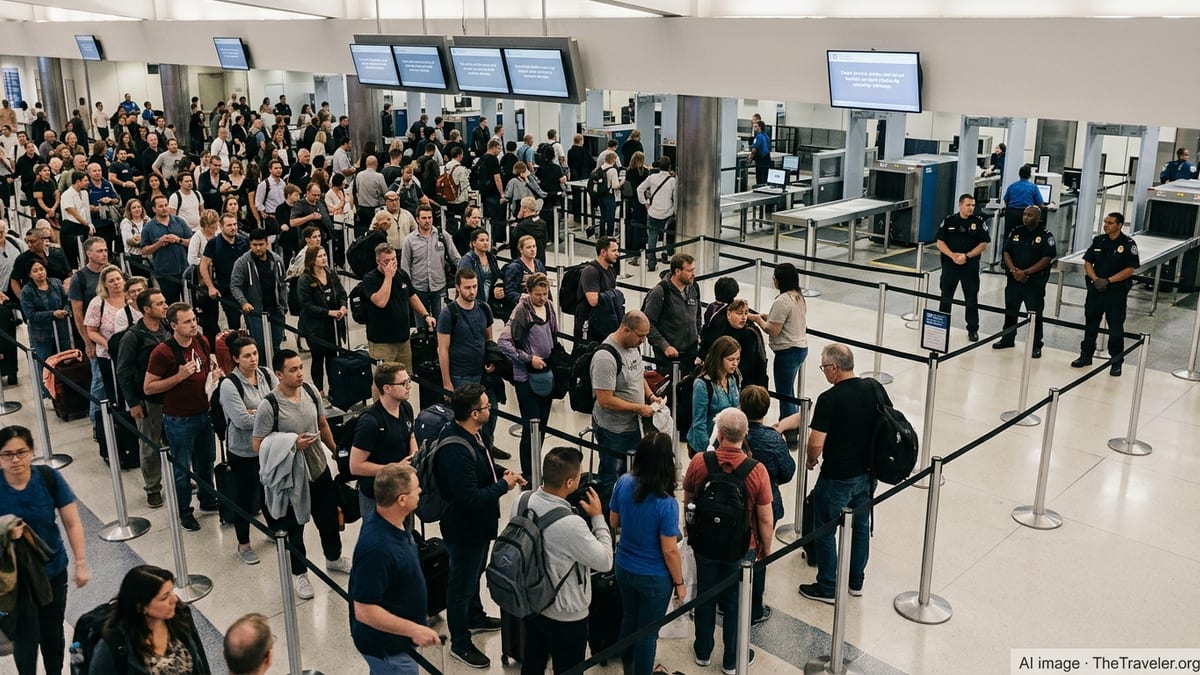
Inside the terminals, the operational strain is translating into longer security lines at peak times, busy boarding areas, and more crowded customer-service desks as travelers seek new options. Publicly available airport and customs monitoring tools show fluctuating wait times, particularly in areas serving international arrivals.
Some travelers are reporting extended periods on the tarmac as flights wait for takeoff clearance, while others are dealing with rapid gate changes as airlines attempt to optimize use of limited space. For passengers connecting through Boston, short layovers are becoming more precarious, with even minor delays raising the risk of missed onward flights.
Travel advisories routinely encourage passengers flying during peak holidays to arrive early, monitor their flight status frequently, and remain prepared for schedule changes. The current pattern of 182 delays and nine cancellations at Boston Logan underscores how quickly a busy travel day can become challenging, even when the majority of flights ultimately depart.
What Today’s Disruptions Mean for the Rest of the Weekend
While the number of outright cancellations at Boston Logan remains relatively limited compared with the volume of total scheduled flights, the elevated delay count may continue to influence operations into the evening and potentially into the next travel day. Aircraft and crew arriving late into Boston can start the following morning’s schedules behind, unless additional capacity or recovery measures are put in place.
Industry data and previous holiday travel patterns suggest that airlines typically work through such backlogs over several scheduling banks, gradually bringing operations closer to normal as aircraft reposition and staffing plans adjust. However, any new weather events, airspace constraints, or unexpected technical issues could prolong the period of heightened disruption.
For travelers set to pass through Boston Logan in the coming hours, publicly available information indicates that most flights are still operating, but often not at their originally scheduled times. Monitoring airline apps and airport displays, allowing extra time for transfers, and preparing for potential rebookings remain prudent steps as the Independence Day travel rush continues.