


More news on this day
Hong Kong travelers heading to Jakarta are being advised to brace for potential disruption in the coming days, as flight schedules continue to normalize after ash from Indonesia’s Anak Krakatau volcano triggered mass cancellations and the temporary closure of Jakarta’s main airports.
Get the latest news straight to your inbox!
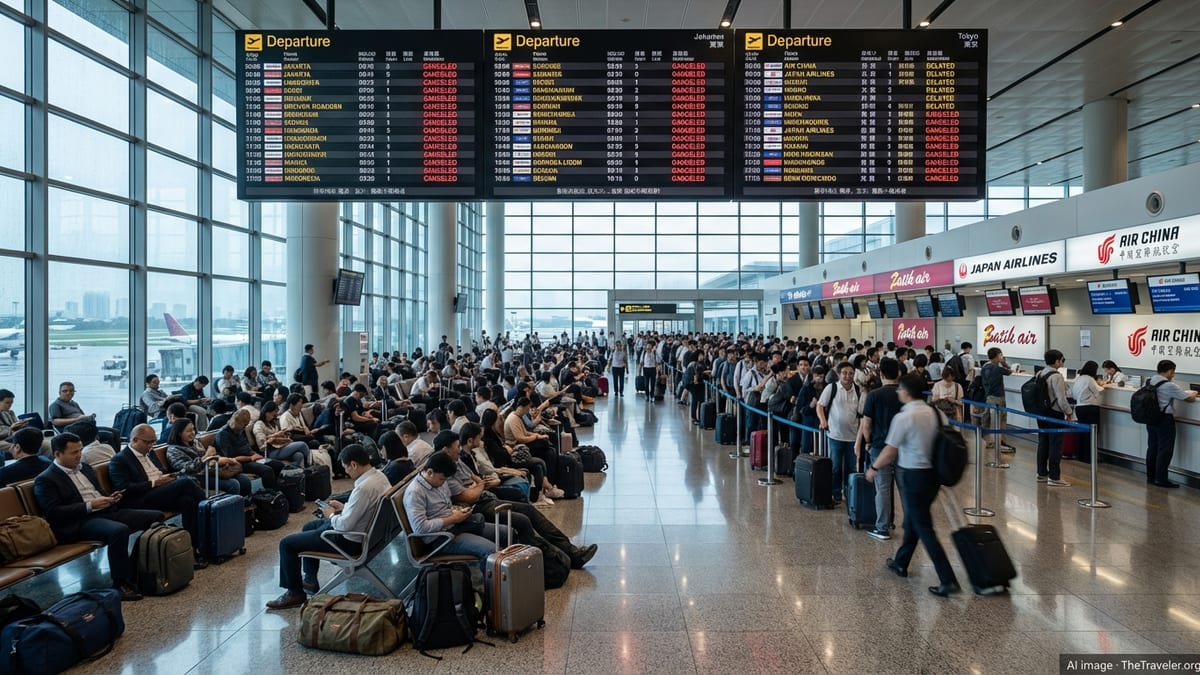
Airports reopen but schedules remain fragile
Jakarta’s Soekarno Hatta and Halim Perdanakusuma airports, which serve most international and domestic traffic to the Indonesian capital, have gradually resumed operations following widespread closures linked to the Anak Krakatau eruption on 4 September. Indonesian transport updates and international wire reports indicate that ash clouds forced authorities to halt operations at multiple airports from 6 September, disrupting close to 3,000 flights across western Indonesia over a two day period.
By early 8 September, Indonesia’s Ministry of Transportation reported that Soekarno Hatta, Halim Perdanakusuma and Bandung’s Husein Sastranegara airport had been cleared to reopen after aviation and meteorological assessments found conditions had improved, although a series of regional airports remained subject to temporary suspensions and rolling notices to airmen. Subsequent reports from regional news agencies on 8 and 9 September indicated that all eight affected airports had reopened, but with airlines still working through heavy backlogs.
For Hong Kong based travelers, this means that direct links to Jakarta are technically restored, yet flight times and routings remain vulnerable to short notice changes as carriers reposition aircraft and crews. Online booking engines show that departures between Hong Kong International Airport and Soekarno Hatta are available again in mid September, but with limited fare classes and some connections rerouted via regional hubs as airlines rebuild their schedules.
Outbound alerts and agency advisories for Indonesia trips
Hong Kong’s Security Bureau updated its Indonesia outbound travel information on 6 September to reflect the Anak Krakatau eruption, noting that volcanic ash had affected areas including Jakarta and that local air traffic was disrupted. The advisory urges residents planning trips to Indonesia to monitor the situation closely, watch for airline and airport announcements, and stay alert to any further changes in flight operations.
Travel agencies in Hong Kong are aligning their guidance with those notices, advising clients that Jakarta bound itineraries in the coming days may face residual delays, aircraft changes or missed connections even though airports have reopened. Package tour operators that include Jakarta as a gateway to destinations such as Java, Sumatra and Bali are highlighting the risk of knock on disruption for domestic legs, as some intra Indonesian routes continue to operate on modified schedules.
According to published coverage and airline statements, travelers who are already in Indonesia but flying out via Jakarta are being encouraged to reconfirm their bookings, arrive early at airports and maintain flexibility for rebooking, particularly where itineraries involve separate tickets or self arranged connections. Tour desks and call centers are also pointing clients toward official government and airport channels rather than social media for the latest operational updates.
Scale of disruption after Anak Krakatau eruption
The Anak Krakatau eruption sent ash clouds thousands of meters into the atmosphere over the Sunda Strait, with satellite imagery and meteorological data showing ash drifting across parts of Sumatra and Java, including the wider Jakarta region. Indonesian aviation bulletins and local press reports indicate that at the peak of the disruption on 6 and 7 September, at least seven major airports were closed, among them Soekarno Hatta, Radin Inten II in Lampung, Halim Perdanakusuma and Husein Sastranegara.
Data published by Indonesian authorities and regional news agencies suggest that Soekarno Hatta alone saw more than 900 arrivals and departures affected on 6 September, while earlier counts from local media put the number of disrupted flights at the main Jakarta hub in the hundreds on the first day of closure. Wire service reports this week put the total number of flights disrupted across Indonesia during the episode at close to 3,000, with approximately 170,000 passengers impacted as cancellations and diversions rippled through the network.
Although conditions have improved and Anak Krakatau’s activity has reportedly eased since the weekend, aviation authorities continue to track ash plumes and wind patterns. Industry observers note that further adjustments to airspace restrictions would be possible if ash concentrations at cruising altitudes change, which is why carriers are still exercising caution on some routings even after airports reopened.
What Hong Kong based travelers should expect next
With Jakarta’s main gateways now open, Hong Kong based carriers and regional airlines are focused on restoring regular timetables, yet residual operational challenges remain likely through at least the coming week. Published fare and schedule data for mid to late September show direct Hong Kong–Jakarta services back on sale, but with some outbound dates carrying higher prices or reduced seat availability, reflecting pent up demand and aircraft redeployment.
Travel platforms are advising passengers transiting Jakarta on their way to other Indonesian cities to build in longer connection times and to avoid tight same day transfers where possible. Those traveling for time sensitive events such as conferences, cruises or weddings are being encouraged to consider fully flexible tickets or alternative routings via other Southeast Asian hubs in case of renewed disruption linked to volcanic activity.
Publicly available information from Indonesian and Hong Kong government portals emphasizes the importance of registering contact details with consular services when traveling to affected areas, so that emergency updates and assistance information can be delivered quickly if conditions change. Travelers with pre arranged group tours are being advised to stay in close contact with their operator to understand any alterations to day by day itineraries or hotel arrangements.
Practical planning tips while ash related delays linger
For those set to depart Hong Kong for Jakarta, industry guidance suggests confirming flight status multiple times in the 24 hours before departure, including on airline websites and official airport channels. Travelers are also being encouraged to keep airline apps installed and notifications enabled, as some carriers are issuing rolling updates about gate changes, check in cut off times and eligibility for fee free rebooking when schedules shift.
Given the recent pattern of temporary airport closures and reopening across western Indonesia, experts advise against purchasing separate, non protected tickets on different airlines that rely on same day transfers through Jakarta. Where such arrangements are unavoidable, travelers are urged to ensure they have comprehensive travel insurance that covers natural hazards and resultant delays, as well as sufficient financial reserves in case of overnight stays or last minute rerouting.
As Anak Krakatau’s activity settles and airspace conditions stabilize, the expectation among regional aviation analysts is that Hong Kong–Jakarta services will gradually return to normal operating patterns. For now, however, Hong Kong agencies continue to warn that travelers heading to or through Jakarta should plan for possible delays, stay flexible with their timings and keep a close eye on official updates over the coming days.
Hong Kong Security Bureau: Indonesia travel information
Bernama coverage of Anak Krakatau ash disruption at Jakarta’s Soekarno Hatta Airport
Indonesian government update on airport closures and alternatives
AP News report on Indonesian flight operations resuming after volcanic ash closures