


For Singapore residents, DirectAsia is one of the most recognisable names in online travel insurance. Its policies promise high overseas medical limits, optional COVID-19 protection and flexible trip cancellation benefits. But to get real value out of the product, you need to understand what is actually covered, what is excluded and how claims are handled in real life situations. This guide unpacks how DirectAsia travel insurance works for medical coverage and trip protection, using practical examples that mirror the kinds of problems travellers face every day.
Get the latest updates straight to your inbox!
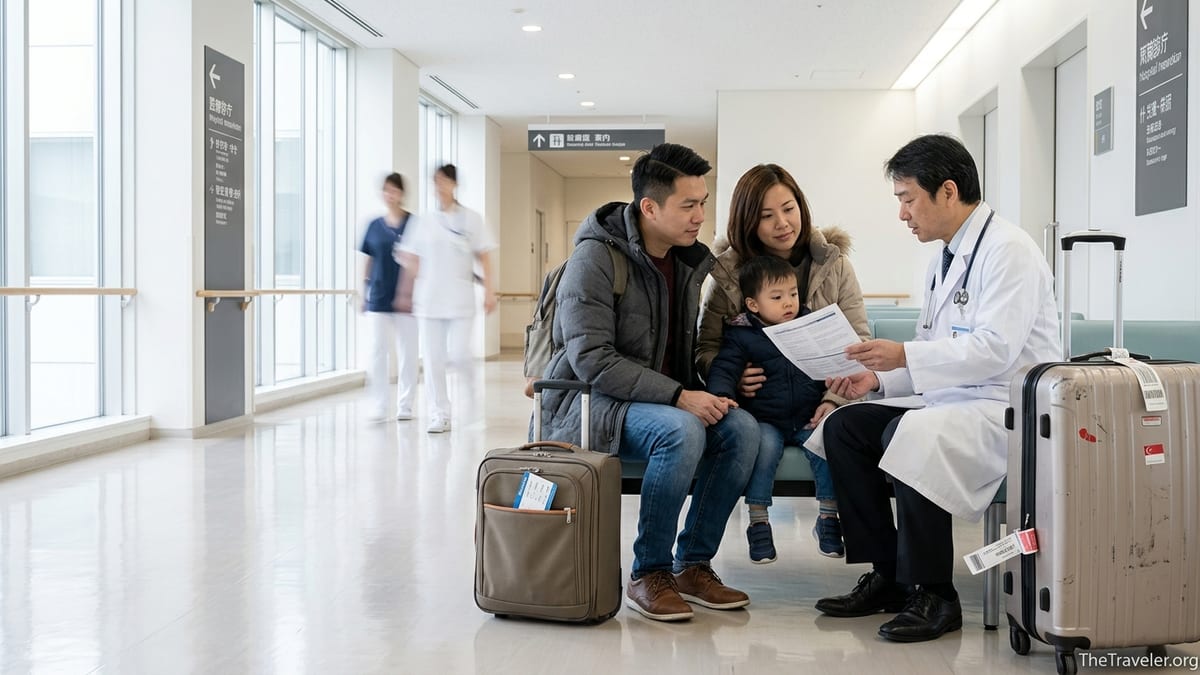
Who DirectAsia Travel Insurance Is For and Core Plan Types
DirectAsia is a Singapore based insurer that sells travel insurance directly online, without going through agents. That allows the company to frequently run promotions and keep prices relatively competitive compared with some bank or airline tied policies. Its travel insurance is designed for people departing from Singapore, whether for a quick regional getaway to Bangkok or Bali, or a longer multi country trip through Europe or North Asia.
You can usually choose between single trip and annual multi trip plans. A single trip policy might suit a five day holiday to Tokyo in September, where you buy cover just for that journey from the day you leave Singapore until the day you return. An annual plan can make more sense if you fly regularly for work or often take short breaks; one DirectAsia annual product allows unlimited trips per year, with each trip covered for up to around 90 days, which is enough for most holidays and short overseas assignments.
Within each trip type, DirectAsia tiers its cover using plan names such as Voyager 250, Voyager 500 and Voyager 1000. At the time of writing, the main difference between these tiers is the limit of overseas medical expenses and some trip protection benefits. For example, Voyager 250 offers up to about S$250,000 of overseas medical cover, Voyager 500 doubles that to around S$500,000, and Voyager 1000 lifts it up to around S$1,000,000. Seniors in their seventies and above are typically covered at reduced limits, often about half of the standard adult limit, so it is important for older travellers to check the latest schedule of benefits.
DirectAsia also lets you buy the policy as an individual, as a couple, as a family, or as a small group. Family plans are popular with Singaporean parents heading to places like Osaka or Gold Coast during school holidays, because children’s medical limits are usually aligned with the adults rather than sharply reduced as they are with some cheaper policies. You can often add a migrant domestic worker to a family policy for an extra premium when bringing a helper on a trip.
How Medical Coverage Works: From Clinic Visits to Major Emergencies
The heart of DirectAsia’s travel insurance is its overseas medical benefits. If you fall ill or are injured while on a covered trip, the policy can reimburse reasonable medical expenses for treatment overseas, up to the limit stated in your plan. That includes doctor consultations, prescribed medicines, diagnostic tests and hospital charges, provided the treatment is necessary and arises from a condition that first appeared during the trip.
Consider a straightforward example. You fly from Singapore to Seoul in winter and come down with a serious bout of food poisoning after eating at a street market. You see a doctor at a local clinic and the bill comes to the equivalent of S$220. On a Voyager 250 or higher plan, that entire bill would typically fall well within your medical cover. After the trip, you submit the medical report, receipts and boarding passes to DirectAsia, and if everything fits the policy conditions, the insurer reimburses you in Singapore dollars to your bank account.
A more dramatic example shows why higher limits matter. A Singaporean couple on a skiing holiday in Hokkaido might purchase the Voyager 500 plan. If one spouse suffers a bad fall on the slopes, breaking a leg and sustaining internal injuries, the immediate hospitalisation, surgery and post operative care in Japan can easily reach S$80,000 or more. If complications require an extended stay in a private hospital, the final bill may approach S$150,000. With a S$500,000 limit, there is still a comfortable buffer if additional procedures or intensive care become necessary. On the top tier Voyager 1000 plan, the S$1,000,000 cap is designed with catastrophic claims in mind, such as a traumatic brain injury requiring complex surgery and long inpatient rehabilitation in a developed country like the United States or Switzerland, where hospital fees can be extremely high.
DirectAsia’s medical coverage usually extends for a limited period after you return to Singapore, typically up to 30 days, for follow up treatment related to the same covered injury or illness. For example, if you sprain your ankle stepping off a curb in London, get it assessed at an accident and emergency department there, and then see a physiotherapist back in Singapore within the stipulated post trip window, those local treatments can also be claimable up to a smaller separate limit. It is essential to keep all medical reports and invoices from both overseas and Singapore clinics, as claims staff will use them to confirm the continuity of treatment.
Emergency Evacuation, Repatriation and Getting You Home
In addition to everyday medical bills, DirectAsia travel insurance provides emergency medical evacuation and repatriation benefits. These come into play when local medical facilities are inadequate for your condition, or when a serious injury makes ordinary commercial flights unsuitable. The coverage usually pays for transportation to the nearest appropriate medical facility or back to Singapore, as well as the repatriation of mortal remains or local burial in the worst case scenario.
Imagine you are trekking in a remote part of Nepal or in a sparsely populated region of Eastern Europe when you suffer a severe head injury. The nearest clinic might only provide basic stabilisation. If doctors deem that you require neurosurgical care not available locally, DirectAsia’s appointed assistance company can organise an air ambulance or a specially equipped medical escort on a commercial flight to transfer you to a tertiary hospital, either in the nearest major city or back in Singapore, depending on medical advice. The charter of an air ambulance jet can cost tens of thousands of dollars, which would be financially devastating without insurance.
Another real world scenario arises with older travellers. Suppose a 72 year old Singaporean suffers a serious stroke while on a family cruise in the Mediterranean. The ship’s doctor arranges an emergency disembarkation in Italy, where the traveller is admitted to an intensive care unit. After the patient stabilises, the family may want to bring them home to Singapore for longer term care. Subject to medical approval, DirectAsia’s evacuation and repatriation cover can pay for the complex logistics: ambulance transfers, a stretcher equipped commercial flight, and a medical escort nurse or doctor, all coordinated through the insurer’s 24 hour hotline. Families should note, however, that burial or cremation costs in Singapore, and ceremonies or religious rites, are usually not covered.
It is critical that you or your travel companion contact DirectAsia or its emergency assistance partner before arranging any evacuation on your own. The policy wording makes clear that evacuation and repatriation expenses arranged without prior authorisation will typically not be reimbursed. As a practical step, most travellers store the emergency hotline number in their mobile phone and share it with their travel companions so it is easy to reach in a crisis.
Trip Protection: Cancellations, Curtailment and Delays
Beyond medical benefits, DirectAsia’s trip protection features are designed to cushion financial losses when your travel plans are derailed by covered events. These areas include trip cancellation before departure, trip curtailment or postponement after the journey has started, travel delay, and delayed personal possessions. The trigger events are defined in the policy, and usually include serious illness or injury, death of a close relative, natural disasters, strikes, major transport accidents and similar situations.
Take trip cancellation as an example. You book a family holiday to Paris for December, paying S$6,000 in non refundable air tickets and hotel deposits using your savings. Two weeks before departure, your 8 year old child is hospitalised in Singapore with dengue fever and your doctor certifies that travel is medically inadvisable. Provided the illness was not from a pre existing condition and the policy was purchased before the diagnosis, DirectAsia’s trip cancellation benefit can reimburse the irrecoverable pre paid expenses, up to the limit for your plan. On Voyager 250, that maximum is around S$10,000, which would cover your full loss in this scenario; on Voyager 500 the cap typically rises to S$15,000, and on Voyager 1000 to S$25,000.
Trip curtailment works in a similar way, but applies when you are already overseas and need to cut the journey short. Imagine flying from Singapore to New York and then Montreal on a three week itinerary. On day five, you receive news that a parent in Singapore has suffered a critical heart attack. If you need to cancel the rest of your hotels and flights and return immediately, the policy can cover the unused, unrecoverable portion of your trip expenses plus some reasonable additional transport costs for getting home earlier, again subject to the plan limits and definitions.
Travel delay and delayed baggage are more familiar frustrations. If your flight from Changi to Zurich is delayed by more than a specified minimum period, such as six consecutive hours, due to reasons like bad weather or a mechanical breakdown, DirectAsia pays a fixed sum per block of delay time, up to a maximum. A typical benefit table might show S$1,000 as the total cap for the base plan and higher limits for premium tiers. Similarly, if checked luggage is delayed beyond a threshold, the policy can reimburse you for essential items such as clothing and toiletries, often capped at a few hundred dollars per traveller. For example, arriving in Osaka in winter without your suitcase, you might spend S$120 on warm clothes and basic necessities; with receipts, that can usually form part of a delayed baggage claim, subject to the overall limit.
Key Exclusions, COVID-19 Options and Fine Print to Watch
No travel insurance is all inclusive, and DirectAsia is clear about a number of exclusions that regularly catch travellers by surprise. Most importantly, pre existing medical conditions are generally not covered for medical expenses, death, disability, trip cancellation or curtailment, unless the policy specifically states otherwise. That means if you have a long standing heart disease, cancer diagnosis or severe asthma, and a trip is disrupted because of a flare up, standard DirectAsia travel plans are unlikely to pay out on those related claims.
The medical section usually excludes dental treatment due to disease or infection, routine check ups, vaccines, and expenses for vitamins, supplements and skincare products, even if they are prescribed. Pregnancies are also generally excluded, except possibly for complications arising from an injury during the trip. Costs for chiropractors and some alternative therapies may not be reimbursable unless they fall under very narrow definitions and are prescribed as part of post accident care. These details are laid out in the current policy wording, which travellers should review carefully before purchase, especially if they intend to rely on the plan for complex medical scenarios.
Since the COVID 19 pandemic, DirectAsia has offered a separate COVID 19 Travel optional benefit for many single trip policies. When added, this rider can cover certain COVID related incidents, such as medical expenses if you are diagnosed with COVID 19 overseas, emergency medical evacuation or repatriation following severe infection, and some trip cancellation, disruption or delay costs linked to positive tests close to departure or while travelling. For example, if you test positive 48 hours before flying from Singapore to Sydney and are legally required to isolate instead of boarding your flight, the rider may reimburse non refundable air tickets and hotel bookings, up to the sublimit for COVID cancellation.
However, the COVID option has its own exclusions and conditions. Travellers who are not fully vaccinated according to prevailing guidelines, who ignore government travel advisories, or who fail to comply with entry rules such as pre departure tests or mandatory forms may find that related claims are rejected. Diagnostic tests themselves, whether taken before departure or on arrival, are usually not claimable under the rider. In practice, that means a family of four flying to Seoul who spend S$200 on required PCR or antigen tests at Changi cannot expect reimbursement for those testing costs, even with the rider active.
Real World Claim Scenarios and How DirectAsia Responds
Understanding how DirectAsia handles real life cases can make the policy documents feel less abstract. While each claim depends on its facts and evidence, some common patterns emerge from customer anecdotes and typical insurer practice. One recurring theme is the importance of documentation. For medical claims, DirectAsia usually requires doctor’s reports, itemised bills, and proof that the illness or injury occurred during the insured trip. For trip protection, you will often need airline or hotel letters confirming cancellations, as well as evidence that refunds or credits were not available.
Picture a frequent business traveller who buys an annual DirectAsia plan with Voyager 500 coverage. On a work trip to San Francisco, he suffers a sudden appendicitis attack and requires emergency surgery at a private hospital. The combined costs of ambulance, operation and four nights in hospital come close to S$95,000, reflecting the high price of healthcare in the United States. Because the condition was new and not pre existing, and because the insured promptly contacted DirectAsia’s emergency assistance hotline from the hospital, the insurer can arrange direct billing with the facility for most charges, minimising out of pocket payments. After discharge, the traveller returns to Singapore, sees his regular doctor for follow up within the allowed time frame, and submits those bills as part of the same claim.
In a different scenario, a family on a ski holiday in Niseko might discover at check in that their connecting flight from Tokyo to Sapporo has been cancelled due to a heavy snowstorm. The airline rebooks them on a flight the next morning but does not provide accommodation. The family pays S$280 for a last minute airport hotel and S$80 for meals. With documentation from the airline showing the cancellation, boarding passes and receipts for the hotel and food, the family can lodge a travel delay claim. While DirectAsia’s benefit is usually a fixed amount per delay block rather than a full reimbursement of every expense, in many cases the payout is enough to offset a large portion of the unexpected cost.
Not every case ends in a payout. Suppose a traveller purchases a single trip plan to Bali after suffering intermittent chest pains for months but without seeing a doctor. On the second day of the trip, he experiences a heart attack and is hospitalised. During the claims assessment, DirectAsia reviews his medical history and finds prior symptoms and risk factors that suggest a pre existing cardiac condition. In such a circumstance, the insurer may decline the medical claim on the grounds of pre existing illness, highlighting why full transparency and early medical consultations in Singapore are important before buying any travel insurance.
Practical Tips for Choosing the Right DirectAsia Cover
When selecting a DirectAsia travel insurance plan, start by matching your destination risk and personal profile with the medical limit. Travelling to countries with high healthcare costs, such as the United States, Canada, Switzerland or Japan, generally justifies taking a higher tier like Voyager 500 or Voyager 1000, especially if you are older or engaging in activities with higher injury risk, such as skiing, scuba diving or trekking at altitude. For shorter trips to nearby cities like Kuala Lumpur or Batam, and for younger, healthy travellers, a lower tier may feel adequate, though even in the region private hospital bills can accumulate quickly.
Next, think about how much you are prepaying for the trip. If you are booking a S$10,000 family tour package to Europe over the December school holidays, choosing a plan with at least S$10,000 of trip cancellation cover, and preferably more, allows you to recoup most of that investment if something serious prevents you from travelling. Conversely, for a budget weekend in Bangkok with fully refundable hotel rates and low cost flights, you might prioritise medical limits over cancellation protection, because your potential financial loss from not going is smaller.
Consider add ons carefully. If you plan to participate in sports and higher risk activities, check whether DirectAsia’s standard cover includes them or whether you need an optional extreme sports rider. For instance, recreational skiing on marked slopes may be included, while competitive skiing or off piste snowboarding might require extra cover. Similarly, bringing expensive sports equipment such as golf clubs, diving gear or high end cameras may justify adding a sports equipment or valuables extension, as base baggage limits can be relatively modest.
Finally, pay attention to age limits, family definitions and territorial scope. Policies can differ in how they define a “child,” whether unmarried adult children in their early twenties are included, and how long each trip on an annual plan can last. Seniors over a certain age may have lower benefit caps and stricter underwriting conditions. If in doubt, contacting DirectAsia’s customer service before purchase to clarify ambiguous points is a sensible step, particularly for multi generational travel plans that combine grandparents, parents, children and a domestic helper in a single policy.
The Takeaway
DirectAsia travel insurance offers a robust mix of medical coverage and trip protection for Singapore based travellers, with generous overseas medical limits on its mid and top tier plans and clear options to scale up protection according to budget. In real world terms, that means cover for everything from a routine doctor visit after a bad hotel buffet to six figure hospital bills following a skiing accident or emergency surgery in a high cost destination. Its evacuation and repatriation benefits, combined with 24 hour assistance, are designed to get you to an appropriate hospital and back home when it matters most.
At the same time, the policy is not a blank cheque. Pre existing conditions, non essential treatments, and various COVID 19 related scenarios are excluded unless very specific conditions are met. Trip cancellation and delay benefits come with defined triggers and monetary caps, so travellers who prepay large, non refundable holidays need to align their cover limits with the amount at risk. Reading the current policy wording, understanding the definitions and keeping thorough documentation remain essential if you want a smooth claims experience.
For Singapore residents who prefer buying insurance online and value clear tiered medical limits, DirectAsia is a brand worth considering alongside other major travel insurers. By choosing the right combination of trip type, plan tier and optional riders, and by being honest about your health status, you can build a practical safety net that protects both your wellbeing and your wallet whenever you travel out of Changi.
FAQ
Q1. Does DirectAsia travel insurance cover pre existing medical conditions?
In general, DirectAsia’s standard travel insurance does not cover pre existing medical conditions for medical expenses, death, disability, trip cancellation or curtailment. If a claim is linked to an illness or condition that existed or showed clear symptoms before the policy was purchased, it is likely to be excluded. Travellers with significant medical histories should clarify their situation with the insurer directly before relying on any travel policy.
Q2. How much overseas medical coverage do I really need with DirectAsia?
The right limit depends on your destination and personal risk profile. For high cost countries such as the United States, Japan or Switzerland, many travellers prefer at least a mid tier plan with a few hundred thousand Singapore dollars of cover, because hospitalisation can easily exceed S$100,000. For nearby regional destinations with lower medical costs, a smaller limit may suffice, but it is wise to choose the highest medical limit that fits your budget, especially for longer trips or older travellers.
Q3. Are COVID 19 related medical expenses covered by DirectAsia?
COVID 19 related coverage is usually available only if you add the specific COVID 19 Travel optional benefit to an eligible policy. With that rider, DirectAsia can cover certain COVID related overseas medical expenses, evacuations and some trip cancellation or disruption scenarios, subject to conditions such as being fully vaccinated and complying with official travel advisories. Routine COVID tests, and situations where entry rules or vaccination requirements are ignored, are typically not covered.
Q4. Will DirectAsia pay my hospital directly or do I need to claim later?
For minor outpatient visits, you will generally pay first and claim reimbursement after you return to Singapore. For major emergencies and hospitalisations, particularly in higher cost countries, DirectAsia’s assistance partner can sometimes arrange direct billing with the hospital once coverage is confirmed. It is vital to contact the insurer’s emergency hotline as soon as practicable so they can coordinate with the medical facility. Attempting to arrange expensive transfers or procedures without their involvement may limit what is reimbursed later.
Q5. What documents do I need when making a medical claim?
You should keep all medical reports, diagnostic test results, prescription notes and itemised bills from overseas clinics and hospitals, as well as any related documents from follow up treatment in Singapore that falls within the covered period. In addition, boarding passes, travel itineraries and a copy of your passport help confirm travel dates. For serious incidents, police reports or incident reports from hotels, airlines or tour operators may also be required.
Q6. How does trip cancellation cover work with airline credits and refunds?
DirectAsia typically reimburses only irrecoverable pre paid expenses. If an airline or hotel offers a refund or travel credit, you are expected to use that first. The insurer then looks at what financial loss remains after all refunds and credits are applied. For example, if you paid S$2,000 for flights, receive S$1,500 in credits and lose S$500, the maximum claim for that component is usually S$500, assuming the cancellation reason is covered and you are within your plan limit.
Q7. Are extreme sports like skiing and scuba diving covered?
Recreational activities such as skiing on marked slopes or leisure scuba diving within specified depth limits may be covered under certain DirectAsia plans, but more hazardous pursuits, competitive events or off piste activities often require an optional extreme sports rider. Before booking a ski trip to Hokkaido or a diving holiday in the Maldives, check DirectAsia’s latest list of included and excluded sports, and consider adding any relevant extensions so there are no surprises if an accident occurs.
Q8. Can I buy DirectAsia travel insurance after leaving Singapore?
Policies generally require that you purchase cover before your trip begins, that is, while you are still in Singapore and before you clear immigration. If you have already departed and then try to buy a policy online from overseas, it may be invalid or limited. It is best to arrange the policy at the same time you confirm your flights or pay your first major trip deposit, so that trip cancellation benefits can also apply to serious events that occur before departure.
Q9. Does DirectAsia cover my children at the same limits as adults?
On many DirectAsia family plans, children’s benefits for key areas such as overseas medical expenses are aligned with adult limits, which distinguishes these plans from some budget policies that sharply reduce child caps. However, family definitions and age ranges can differ between products, and seniors above a certain age often have reduced limits. Always read the latest benefit table to confirm how coverage applies across all family members.
Q10. How do I choose between single trip and annual DirectAsia cover?
If you are planning one or two holidays a year, a single trip policy tailored to each journey is often sufficient. For example, you might buy a mid tier plan for a two week trip to Europe, then a lower tier for a short weekend in Bangkok. If you travel frequently, such as flying regionally for work every month and taking one or two long haul holidays, an annual multi trip policy can be more cost effective and convenient, providing continuous cover for every trip up to a maximum duration per journey. Comparing the total premiums you would pay for multiple single trip policies against one annual plan is a simple way to decide which suits your travel pattern.