


Florence is surrounded by some of Italy’s most talked‑about destinations: Siena’s medieval streets, the Leaning Tower of Pisa, the vineyards of Chianti and the cliffside villages of Cinque Terre. With so many options, it is tempting to simply copy a popular itinerary. Yet the best day trip from Florence is not a universal list. It depends on the kind of experience you want, how you like to move, and how much energy you actually have on the day. Before you book anything, it is worth pausing to decide what you are really looking for from your time beyond the city.
Get the latest updates straight to your inbox!
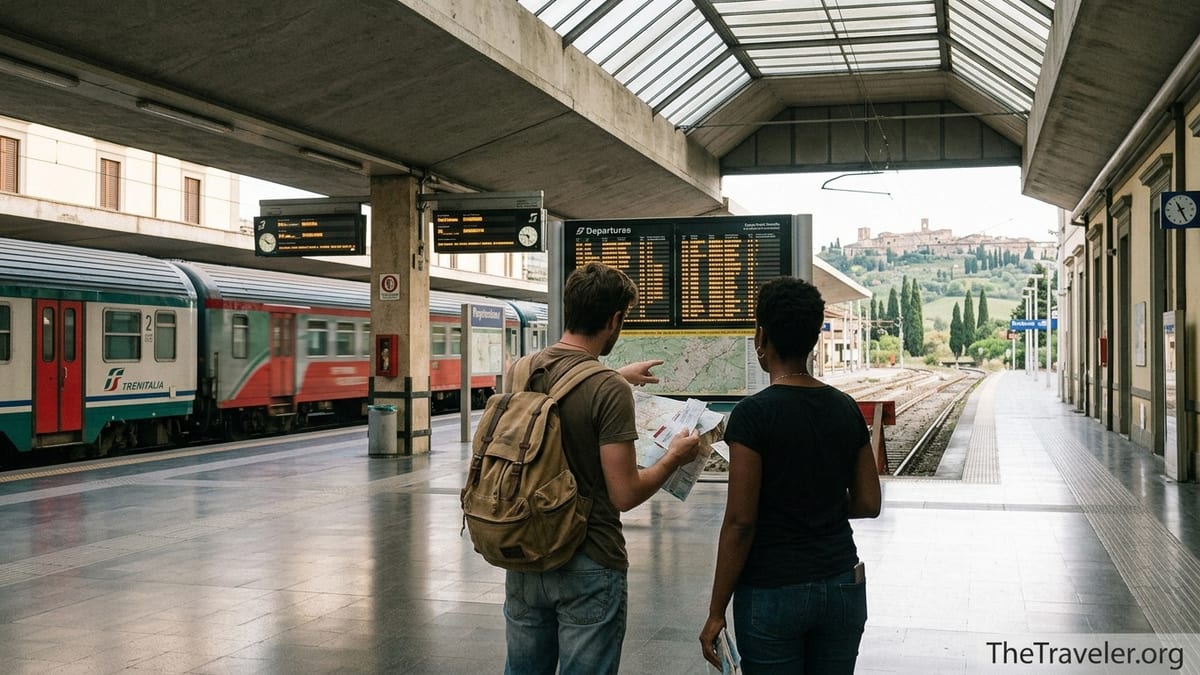
Start With Your Travel Personality, Not a Map
Most visitors begin by asking “What are the best day trips from Florence?” A more useful first question is “What kind of day do I want?” Do you imagine yourself wandering quiet medieval streets with a coffee in hand, or hiking coastal paths and catching regional trains? Are you happiest tasting wine at a farmhouse table, or ticking off a world‑famous monument and returning to Florence by sunset? Your answers will narrow the list of realistic options far more effectively than any top‑ten article.
If you love history and slow travel, a city like Siena or Lucca is often a better fit than a rushed dash to Cinque Terre. Reaching Siena typically involves a 1 hour 15 minute to 1 hour 30 minute bus ride from Florence’s Santa Maria Novella area, depositing you right near the historic center, which is ideal if you prefer to sit back and look out of the window rather than negotiate train changes. By contrast, a Cinque Terre day trip frequently means an early departure, a change of train in La Spezia and navigating multiple coastal villages, which suits active travelers who enjoy a busier day.
Budget also shapes your experience. A simple DIY day trip by regional train to Pisa or Lucca can cost in the region of 10 to 20 euros return in 2026, depending on the exact departure and whether you travel at peak times. Organized small‑group tours to Chianti wineries or to the combined Siena, San Gimignano and Chianti region typically run anywhere from about 80 to 150 euros per person, reflecting included tastings, lunch and transport. Neither option is automatically better; it depends whether you value independence or convenience and local insight.
Energy levels matter as well. After several long days of museum visits and late dinners in Florence, many travelers underestimate how tiring a 12‑hour excursion can be. A gentle morning regional train to Lucca, where you can rent a bicycle and circle the city walls at your own pace, is a very different experience to a tightly scheduled multi‑stop coach tour. Ask yourself honestly whether you want a high‑intensity adventure or a restorative change of scenery. Planning from this perspective will help you choose a day trip that feels rewarding rather than exhausting.
Iconic Sights vs Atmospheric Towns
Some day trips from Florence are built around one iconic sight. Pisa is the obvious example: a one‑hour regional train ride from Firenze Santa Maria Novella to Pisa Centrale, then a 20‑minute walk or brief local bus ride to the Piazza dei Miracoli and its famous Leaning Tower. Many visitors arrive mid‑morning, take the classic photo, perhaps climb the tower on a timed ticket, and are back in Florence by late afternoon. If your priority is to stand in front of a globally recognized landmark, this is an efficient use of a day.
Other destinations prize atmosphere over headline monuments. Siena’s draw is not a single building but an entire medieval cityscape: the shell‑shaped Piazza del Campo, the striped Duomo and the maze of narrow lanes. Buses from Florence arrive close to the historic center, and although the journey can take roughly 1 hour 15 minutes to 1 hour 30 minutes, most of your time is then on foot within an almost car‑free old town. This appeals to travelers who want to feel immersed in a place rather than simply checking off a sight.
Lucca offers yet another kind of experience. Around 1 hour 20 minutes by regional train from Florence with a station just outside the walls, it has intact Renaissance ramparts that have been turned into a tree‑lined promenade. Hiring a bicycle for a couple of hours to ride the circuit, stopping for gelato and exploring quiet churches, suits visitors who prefer a relaxed, low‑stress day. There is no single must‑see building; instead, the pleasure lies in the rhythm of local life, from families out strolling to elderly residents chatting on benches.
When deciding between an iconic‑sight trip and an atmospheric town, consider how you tend to remember your travels. Some people cherish the moment they finally saw a postcard view in person. Others recall the feel of a place: a late lunch on a back street in Siena, or watching the sun drop over the rooftops from Lucca’s city walls. Both are valid. The key is to be deliberate. If all you want from Pisa is a quick Leaning Tower photo, you might combine it with Lucca in the same day. If you crave an unhurried wander through medieval alleys, Siena is easier to appreciate with a full day to spare.
Nature, Sea Air or Vineyard Views
Not every day trip from Florence is about buildings. Some of the most rewarding excursions focus on landscapes, whether that means sea cliffs or vine‑covered hills. Cinque Terre, technically across the regional border in Liguria, is the best‑known coastal option. Reaching it from Florence usually involves a train of around 2 hours to La Spezia, followed by a shorter regional train into the string of five villages. It makes for a long day, often 12 hours door to door, but rewards with dramatic views, pastel houses and cliff‑hugging trails. This is ideal if you are comfortable with early starts, lots of walking and occasionally crowded trains, especially between late spring and early autumn.
Closer to Florence, the Chianti Classico region between Florence and Siena is the archetypal Tuscan countryside of rolling hills, cypress trees and vineyards. Public transport within Chianti is patchy, so most visitors either rent a car for the day or join a guided wine tour. Many tours last 4 to 6 hours and include visits to two or three wineries, cellar tours and tastings of Sangiovese‑based wines, sometimes alongside olive oil and local cheeses. Prices vary, but small‑group experiences in 2026 often fall in the 90 to 150 euro range per person depending on group size and inclusions.
If you prefer landscapes with fewer crowds, consider the broader Tuscan countryside south of Siena, such as the Val d’Orcia. As a day trip from Florence it typically requires a long drive or a full‑day organized excursion, but the rewards include softly undulating hills, isolated farmhouses and hill towns like Pienza and Montalcino. These trips suit photographers and travelers who value sweeping vistas over specific attractions. You will spend much of the day in a vehicle, punctuated by stops at viewpoints, villages and wineries.
Before you commit to a landscape‑focused day, be honest about your expectations. Cinque Terre in high season is unlikely to deliver a quiet coastal walk; even simple local train tickets between villages can mean standing in crowded carriages at busy times. Chianti wine days involve tasting alcohol and can include steep, uneven paths around vineyards. If your main goal is fresh air and gentle movement, renting a bike in Lucca or strolling along the Arno in Pisa might offer a calmer alternative to long journeys into the countryside.
Independent Explorer or Guided Tour Guest
Another key decision is how you want to organize your day. Regional trains from Florence to cities like Pisa, Lucca and Bologna are straightforward, with frequent departures and journey times often under 90 minutes. For example, Florence to Pisa by regional train typically takes around 1 hour each way in 2026, and Florence to Lucca around 1 hour 20 minutes, with tickets that are generally affordable if bought on the day from machines or ticket counters. If you are comfortable reading departure boards and validating paper tickets, you can easily design your own schedule.
Guided day tours come into their own where logistics are more complex. Chianti wine routes, for instance, have limited bus services and scattered wineries, making self‑planning inconvenient unless you rent a car and designate a non‑drinking driver. Many agencies in Florence offer small‑group coach or minivan tours that include transport, tastings and sometimes a traditional lunch at a farmhouse, often visited alongside medieval towns like San Gimignano. Similarly, combined itineraries that take in Siena, San Gimignano and a Chianti winery in one long day are simpler to manage with a single tour booking than by juggling multiple buses.
Cost is only one factor. Independent travel gives you full control over departure times and how long you linger in each place. If you reach Pisa and decide you have had enough after an hour, you can simply catch an earlier train back to Florence or continue on to Lucca. On a tour, you are committed to the group schedule, which may mean more time than you want in some stops and not enough in others. On the other hand, a good guide adds context about history, culture and wine that can be difficult to replicate on your own.
Think about your stress threshold too. Some travelers find navigating unfamiliar rail systems energizing. Others feel anxious about missing connections or interpreting platform changes in Italian. If the idea of changing trains in La Spezia on a busy summer morning fills you with dread, a coach‑based Cinque Terre excursion that handles those details might make more sense, even if it limits your freedom. Likewise, if you have mobility concerns, confirming in advance that a tour uses comfortable, air‑conditioned vehicles and minimizes steep walks can make the difference between a memorable day and a taxing one.
Time, Season and Crowds
Day trips are always a trade‑off between what you hope to see and how much time you realistically have. From Florence, destinations like Pisa, Lucca and Siena sit within roughly 1.5 hours each way by public transport. This leaves plenty of time on the ground, especially if you depart by mid‑morning. Further‑flung options such as Cinque Terre or the Val d’Orcia often involve 2 to 3 hours of travel per direction, which compresses your sightseeing into a shorter window. If you only have three full days in Florence, dedicating one entire day to long transfers may not be the best use of your limited time.
Season makes a marked difference. From late spring through early autumn, Tuscany’s most popular day‑trip destinations can be busy with tour groups and cruise passengers. The Leaning Tower area in Pisa, for example, often feels crowded from late morning onward, with queues for tower climbs and packed lawns of people taking photos. In high summer, coastal areas like Cinque Terre can see full trains between villages and limited space on beaches. If your ideal experience involves quiet streets and shorter lines, you might prefer to visit in shoulder months or choose less famous towns.
Weather also shapes your choice. A Chianti wine tour that includes cellar visits, tastings and shaded terraces works in both warm and cooler conditions, while a coastal hiking day to Cinque Terre is far less appealing in rain or intense midday heat. In winter, shorter daylight hours mean that long‑distance trips offer less time in natural light at your destination. Indoor‑focused cities such as Bologna, with its porticoed streets and food markets, can be more enjoyable than countryside vistas that you mostly experience from a bus window.
When you plan, match the character of the destination to the likely conditions. A July visit with high temperatures and crowds might be better spent in nearby Lucca, where shady walls and parks soften the heat, rather than on a midday hike between cliffside villages. An April trip, with cooler temperatures and spring greenery, could be ideal for Val d’Orcia views. Stepping back to consider seasonality is one of the easiest ways to avoid disappointment and align your expectations with what a place can realistically offer at that time of year.
Practical Examples: Matching Destinations to Traveler Types
To make the choice concrete, imagine four different travelers. First is a couple on their first trip to Italy, staying four nights in Florence. They want an iconic sight but are wary of complicated logistics. For them, a self‑guided day to Pisa and Lucca makes sense. They can take a morning train of about an hour to Pisa, walk to the Leaning Tower, spend a few hours exploring, then continue by train for a short hop to Lucca. An evening stroll on Lucca’s walls followed by dinner before returning to Florence gives them a varied day with modest transport costs and minimal stress.
Second is a group of friends who are serious wine enthusiasts. They have already spent time in Florence’s galleries and want a day focused on vineyards and local food, without anyone needing to drive. A Chianti Classico small‑group tour is likely the best match. A typical itinerary might depart mid‑morning, visit two or three wineries for tastings of Chianti Classico and Supertuscan blends, include a traditional Tuscan lunch and return to Florence by early evening. The higher per‑person cost is justified by safe transport, access to estates not reachable by public bus and in‑depth explanations from staff or guides.
Third is a solo traveler who enjoys photography and long walks but is on a tighter budget. They may opt for Siena by bus. Buying a return bus ticket at Florence’s bus station, they travel about 1 hour 30 minutes each way and spend the day wandering from the Piazza del Campo up to the cathedral, exploring side streets and capturing details such as weathered doorways and laundry hanging over alleys. The only major fixed cost is transport, and they can tailor food spending by choosing simple trattorias or takeaway slices of pizza eaten in the square.
Finally there is a family with two children who insist on seeing the sea. The parents know that a Florence to Cinque Terre day will be long but decide it is worth doing once. They join a family‑friendly tour departing around 7:00 in the morning, which uses a coach to reach the coast and then combines short train rides and boat transfers between two or three of the villages. To keep the day manageable, they accept that they will not hike all of the famous trails and that the children may be tired on the return journey. In exchange, they receive sea views, gelato stops and a sense of adventure, along with the reassurance of a guide handling tickets and timetables.
The Takeaway
There is no single “best” day trip from Florence. There are only better or worse matches for your interests, energy level, budget and season of travel. Before you book anything, picture the kind of day you genuinely want: a quiet wander through medieval streets, a deep dive into wine culture, an iconic photo at a leaning tower, or a full‑throttle adventure to the coast. Then check how long it takes to get there and how you will move around once you arrive.
Florence’s central position means you can reach many different experiences within a couple of hours, from Siena’s Gothic skyline to Lucca’s leafy walls. Using concrete factors such as travel time, likely crowds, cost and your comfort with independent logistics will help you filter your options. When you align your expectations with the reality of each destination, your day trips stop being boxes to tick and become some of the most memorable parts of your time in Italy.
Ultimately, the best decision is the one that fits you, not someone else’s must‑see list. Start with the experience you are seeking, choose the destination that delivers it with minimum friction and maximum joy, and let Florence be the hub for a set of days that feel tailored to your own way of traveling.
FAQ
Q1. What is the easiest day trip from Florence for first‑time visitors?
Pisa or Lucca by regional train are usually the easiest. Both have frequent departures, simple routes and compact historic centers you can explore on foot.
Q2. Is Cinque Terre worth visiting as a day trip from Florence?
It can be, especially if you may not return to Italy soon, but expect a very long day with early departures, multiple train changes and potentially heavy crowds in high season.
Q3. Should I visit Siena or San Gimignano if I only have time for one?
Siena offers a larger, more complex city with major sights like the Duomo and Piazza del Campo. San Gimignano is smaller and more focused on towers and views. Choose Siena for depth, San Gimignano for a compact hill‑town feel.
Q4. Do I need to book train tickets in advance for day trips from Florence?
For regional trains to places like Pisa, Lucca and Siena, advance booking is usually not essential, though buying a day or two ahead can help you plan. Always validate paper tickets before boarding.
Q5. When is a guided tour better than traveling independently?
Guided tours are particularly useful for wine regions like Chianti, complex multi‑stop itineraries that include Siena and San Gimignano in one day, or long‑distance trips where you prefer not to handle multiple transfers.
Q6. How many day trips should I plan from Florence?
With four full days in Florence, one or two day trips are generally enough. This balance lets you enjoy the city itself without spending every day in transit.
Q7. Are day trips from Florence suitable for children?
Yes, but choose destinations with manageable travel times and open spaces. Lucca’s city walls, Pisa’s grassy piazza and farm visits in Chianti often work well for families.
Q8. What is the best season for countryside day trips from Florence?
Spring and autumn are often ideal, with milder temperatures, greener landscapes and somewhat fewer crowds than peak summer, especially in vineyard and hill‑town areas.
Q9. Can I combine multiple towns in one day from Florence?
Yes, common pairings include Pisa and Lucca by train or Siena and a nearby winery on a guided tour. Just be realistic about travel times so the day does not feel rushed.
Q10. How far in advance should I book popular tours from Florence?
In busy months, booking well in advance is wise, especially for small‑group wine tours and Cinque Terre excursions. For shoulder seasons, a few weeks ahead is often sufficient, though availability can vary.