


More news on this day
With Europe entering another summer of record-breaking heat, heightened wildfire risk and mounting airport queues, travel experts are urging holidaymakers not to panic, but to prepare with a cooler head and smarter planning.
Get the latest news straight to your inbox!
A hotter, riskier backdrop for Europe’s peak season
Western and southern Europe are already experiencing unusually intense heat for early summer, with weather agencies reporting June temperatures well above long-term averages and repeated heatwaves across Spain, France, Italy and the Balkans. Climate researchers note that events which once seemed exceptional are rapidly becoming the seasonal norm, bringing health risks for travellers as well as strain on infrastructure and emergency services.
Publicly available data and recent analyses from European climate agencies highlight that heatwaves are arriving earlier in the year and persisting for longer, increasing the likelihood of extreme conditions coinciding with peak holiday travel. Tourist hubs from the French Riviera to the Greek islands are seeing more frequent days above 35C, while cities such as Paris and Rome are grappling with “urban heat island” effects that keep nighttime temperatures uncomfortably high.
Officials in several countries have responded with heat alerts, altered school schedules and guidance to avoid non-essential travel during the hottest hours of the day. For visitors, that means trips planned years ago may now collide with conditions that feel markedly different from pre-pandemic summers, underscoring the need for flexible itineraries and more cautious daily routines.
At the same time, demand for European breaks remains strong. Industry trackers report that international bookings for Europe in June, July and August are higher than last year, suggesting that many travellers are choosing to adapt their plans rather than cancel outright. The challenge for holidaymakers is to enjoy long-awaited trips while respecting evolving local conditions and safety advice.
Wildfires reshape the high-summer map
As temperatures climb and rainfall deficits deepen in parts of the Mediterranean, wildfire risk is rising sharply. European civil protection agencies have deployed their largest-ever seasonal firefighting fleets, pre-positioning aircraft and specialist teams in hotspots such as Greece, Spain, Portugal and Cyprus in anticipation of another difficult summer.
Recent seasons have shown how quickly fires can affect tourism, with villages evacuated, roads closed and entire islands briefly taken off the holiday map when flames approach resorts. Published coverage this month describes large blazes in southern France and the Iberian Peninsula, forcing thousands of residents and visitors to leave homes, campsites and hotels at short notice.
For travellers, the key shift is that wildfire risk now joins traditional concerns such as strikes or flight delays when assessing a destination. Travel advisories from European and foreign ministries increasingly include seasonal wildfire guidance, while tourism boards are working to reassure visitors with information on evacuation plans, firebreaks and real-time alert systems.
Holidaymakers are being encouraged to check destination-specific advice before travelling, particularly for rural stays, camping trips or hiking holidays near forests and scrubland. Booking accommodation with clear evacuation procedures, keeping travel insurance details handy and staying attuned to local announcements can help visitors react quickly if conditions change.
Airport queues stretch patience as demand and new checks collide
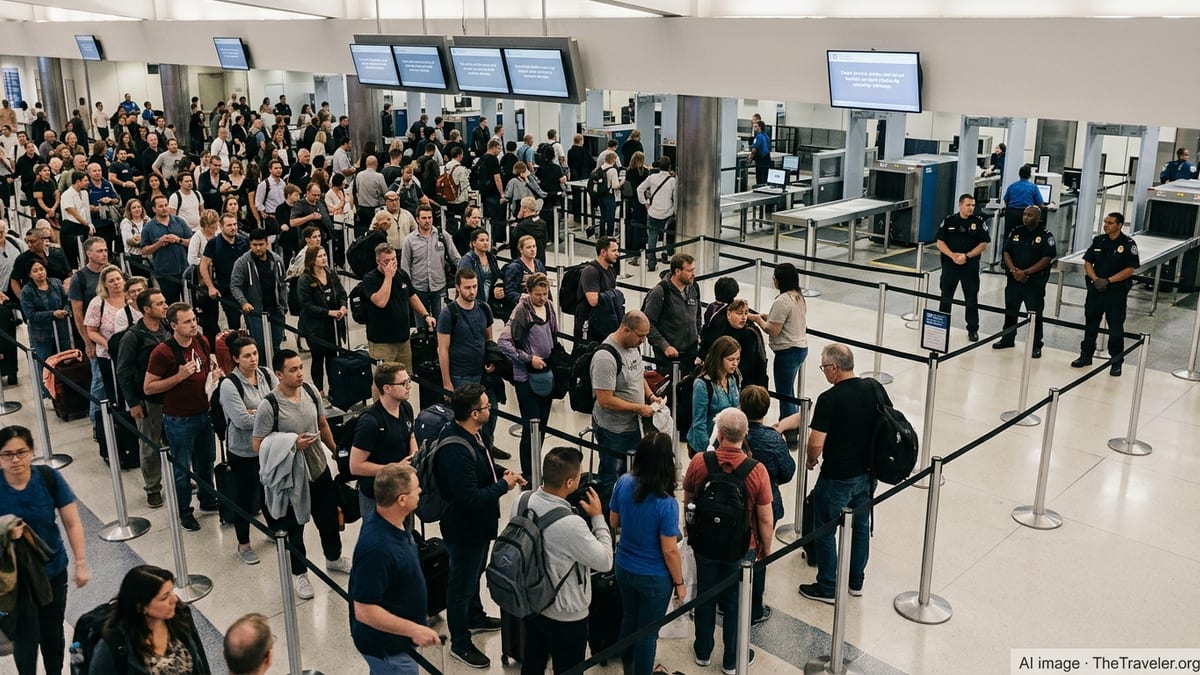
Heat is not the only pressure point this summer. Airports across Europe are bracing for another surge in passengers, with air traffic monitors reporting flight numbers above last year’s levels and continued growth on leisure routes to southern Europe. Even in weeks described as “stable” for overall traffic, the sheer volume of holiday flights places terminals, security and border control under strain.
One particular focus is the European Union’s new biometric Entry/Exit System for non-EU nationals, which is being phased in at busy airports and land crossings. Industry associations and travel media report that the extra fingerprinting and facial-image checks can lengthen processing times, particularly when software or staffing levels struggle to keep pace with peak arrivals.
Recent accounts describe queues of several hours at some border points and repeated checks for travellers whose data failed to register correctly on earlier trips. Airlines and airport bodies have responded by advising passengers from outside the EU and Schengen area to arrive earlier than before, with some guidance suggesting three hours or more for departures from popular summer hubs.
For travellers, that means revisiting long-held assumptions about cut-off times and transfers. Building in generous margins for check-in, security and passport control, avoiding tight connections where possible, and carrying essentials in hand luggage in case of disruption are all emerging as practical forms of “don’t panic, do prepare.”
Heat-smart planning: from packing lists to daily routines
As temperatures push higher, traditional city-break habits are being rewritten. Travel advice sites and tourism bodies are increasingly framing heatwaves as a core safety concern, recommending that visitors treat hot weather with the same seriousness as winter storms or heavy seas. That shift in mindset is leading to more emphasis on shade, hydration and realistic sightseeing schedules.
Simple measures can make a marked difference to comfort and risk. Packing high factor sunscreen, refillable water bottles, light clothing and hats, and choosing accommodation with reliable air conditioning or effective night-time ventilation have become central to many packing lists. Daily itineraries are being reshaped around early mornings and late evenings, leaving the hottest hours for rest, indoor museums or shaded cafes.
Travellers are also being encouraged to think carefully about vulnerable members of their party. Families with young children, older travellers and those with underlying health conditions may need shorter walking distances, more frequent breaks and easier access to medical facilities. Some visitors are adjusting plans entirely, swapping southern beach resorts for cooler northern destinations or mountain regions that offer respite from extreme heat.
Urban transport and infrastructure are also under pressure, with reports of slower trains, reduced services and occasional technical problems during the hottest spells. Factoring in extra time for local journeys, carrying small first-aid supplies and being prepared to change plans at short notice can all help travellers stay safe while still enjoying their holiday.
Booking and budget decisions in an era of climate volatility
The convergence of climate extremes and crowded travel corridors is influencing how people book and insure their trips. Publicly available information from European institutions and consumer bodies shows rising interest in comprehensive travel insurance, particularly policies that address trip disruption from natural hazards, medical emergencies related to heat and last-minute changes of plan.
At the same time, recent guidance from European regulators highlights how package travel and airline rules handle significant disruptions. While exact terms vary, travellers are being urged to read conditions carefully, especially clauses related to “extraordinary circumstances” and schedule changes, so they understand their rights if wildfires, heat-related infrastructure problems or knock-on operational issues affect their journey.
Some holidaymakers are pivoting to shoulder seasons, aiming for May or late September to balance milder temperatures with fewer crowds. Others are shortening trips but upgrading to accommodation with better cooling, or choosing destinations with more robust public transport and healthcare systems. Industry reports suggest that while overall demand stays relatively high, there is a gradual redistribution of tourism flows as travellers test new locations and timings.
For now, the emerging consensus is that Mediterranean summers are becoming more challenging but remain viable for many visitors who plan ahead. Checking forecasts and local advice regularly, allowing extra time at airports, and building flexibility into both budget and itinerary can turn a potentially stressful season into a manageable, even rewarding, adventure.