


More news on this day
A Hueytown man who died after a collision between his vehicle and a train at a Jefferson County rail crossing has been publicly identified, bringing renewed attention to rail safety in the Birmingham metro area.
Get the latest news straight to your inbox!
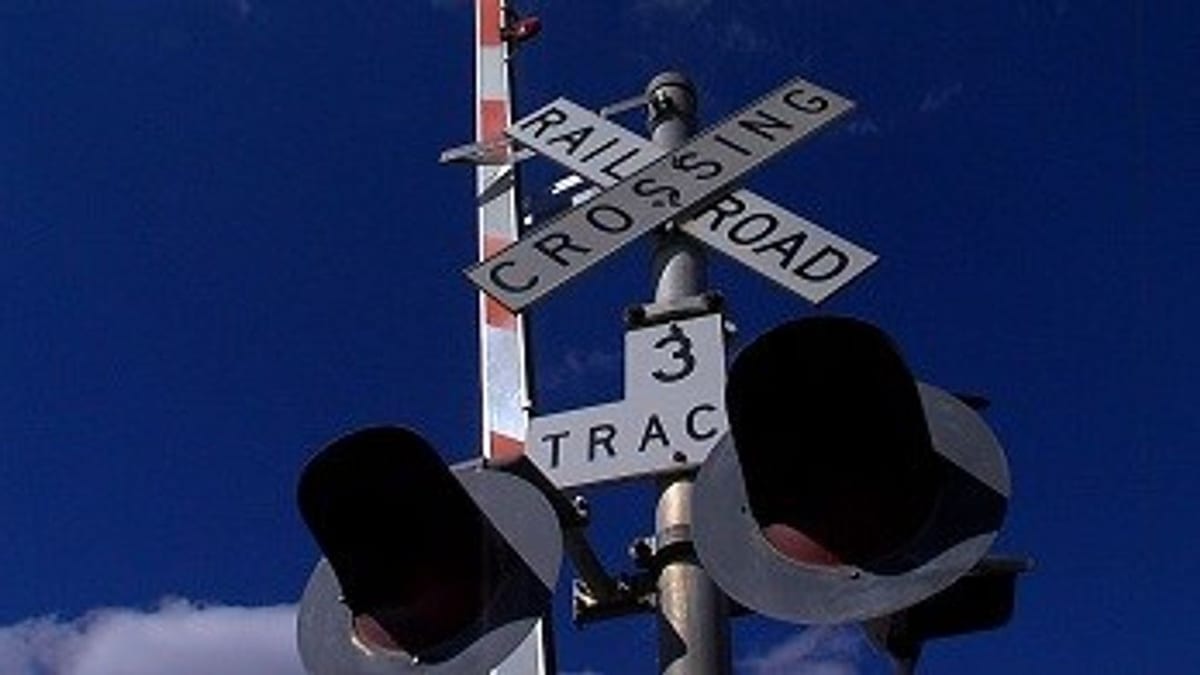
Victim Identified After Fatal Rail Crossing Crash
Recent published coverage indicates that the driver killed in the crash was a longtime Hueytown resident, identified as 69-year-old Robert Earl Scott. The collision occurred when a vehicle entered a rail crossing and was struck by a train, resulting in fatal injuries at the scene.
Reports describe the incident as taking place during the late afternoon at a busy crossing point used by both local traffic and passing trains. Initial accounts state that the vehicle was on or near the tracks when the approaching train was unable to stop in time, underscoring the limited braking distance available to rail operators.
Publicly available information shows that a second man in the vehicle, identified as a 78-year-old Bessemer resident, also died in the crash. The deaths of two older adults in a single collision have drawn particular concern in neighboring communities, where many residents rely on familiar routes that intersect active rail lines.
According to regional news reports, investigators are reviewing crash data, witness statements and train company information to determine the sequence of events. As of early July 2026, no final cause has been released, and the crash remains under active review.
Location Highlights Persistent Rail Safety Concerns
The crash took place in the greater Birmingham area, where a dense network of freight and passenger lines intersects residential neighborhoods, commercial corridors and commuter routes. Local coverage notes that the crossing involved in the Hueytown-related crash sits near other heavily used intersections, reflecting a broader pattern of road and rail sharing limited space.
Transportation data for Alabama show that Jefferson County regularly records some of the state’s highest numbers of serious traffic crashes, including occasional incidents involving trains. State safety plans highlight the combination of high vehicle volumes, complex intersections and older infrastructure as contributing factors in many urban crashes.
Rail crossings present particular challenges, as long trains can obstruct visibility, generate confusing noise for drivers and require significant stopping distances. Even when crossings are equipped with gates and lights, national transportation summaries emphasize that collisions can still occur if vehicles attempt to cross after warnings begin or if drivers misjudge a train’s speed.
In central Alabama communities such as Hueytown and Bessemer, rail lines have historically supported heavy industry and freight movement. Today, that legacy means that residential areas, shopping districts and commuter roads often sit close to active tracks, creating situations where everyday errands and routines bring residents into regular contact with rail infrastructure.
How Train–Vehicle Collisions Typically Unfold
Crash investigation manuals and safety studies describe several recurring patterns when vehicles collide with trains at grade crossings. In many cases, a driver proceeds onto the tracks while signals are active, sometimes attempting to cross before a train arrives or assuming there is more time than is actually available. Because trains require a long distance to stop, even an immediate emergency brake application may not prevent a collision.
Other scenarios involve limited sight lines, adverse weather or complex roadway layouts that make it difficult for drivers to see an oncoming train until they are already near the tracks. At some crossings, nearby structures, vegetation or curves in the rail line can reduce visibility, particularly in low light or rain. Safety agencies point out that older drivers may be especially affected by glare, contrast and depth perception challenges in such conditions.
Research into rail safety consistently notes that the size and mass of trains mean that collisions are far more likely to result in serious injury or death than typical roadway crashes between passenger vehicles. Even at relatively moderate speeds, the difference in weight between a train and a car or pickup truck leads to devastating impacts, often leaving little survivable space inside the smaller vehicle.
Public summaries of past investigations also emphasize the psychological impact on train crews, first responders and nearby residents. Although they may have limited ability to prevent a collision once a vehicle is on the tracks, these individuals often witness severe outcomes, contributing to long-term community concern whenever a new crash occurs.
Community Response and Travel Considerations
The identification of the Hueytown man has prompted expressions of sympathy across western Jefferson County, where many residents are connected through church communities, longtime workplaces and extended family networks. Local media accounts indicate that neighbors and friends have highlighted the victim’s ties to Hueytown and the region’s close-knit character.
For travelers moving through the Birmingham area, the incident serves as a reminder to treat rail crossings with heightened caution. Motorists are encouraged by safety campaigns to approach crossings at reduced speed, avoid passing other vehicles near the tracks and come to a complete stop when lights activate, even if a train is not immediately visible.
Visitors driving unfamiliar rental vehicles or navigating with digital maps may be especially vulnerable at crossings they do not expect. Travel advisories frequently recommend planning routes that allow extra time in case of passing trains, rather than attempting to beat closing gates or rushing through multi-lane intersections that intersect tracks at sharp angles.
In communities like Hueytown, where local roads often parallel or cross rail lines, residents and visitors alike are reminded by public awareness efforts that trains can approach more quietly and quickly than anticipated. The fatal collision that claimed the life of a Hueytown man stands as a stark illustration of the importance of treating every crossing as active and every warning signal as critical.
Ongoing Focus on Rail Safety in Alabama
Across Alabama, transportation agencies and safety planners have identified road and rail interactions as a recurring concern, particularly in urban counties such as Jefferson, Mobile and Madison. State highway safety plans cite rare but severe crashes involving railway vehicles among the most consequential incidents on the network, given their high likelihood of producing fatalities.
Public records and policy documents describe a range of responses, including targeted engineering upgrades at high-risk crossings, improved signage, better lighting and partnerships with rail operators to refine train speeds and schedules where feasible. Educational campaigns aimed at both drivers and pedestrians continue to reinforce messages about stopping at signals and never bypassing gates.
The recent identification of the Hueytown victim places a personal face on those statistics, connecting statewide policy discussions to the lived experience of families in Jefferson County. While the exact circumstances of this specific crash remain under investigation, advocates for safer roads argue that every fatal collision underscores the need for sustained attention to infrastructure and driver behavior.
As central Alabama communities navigate the balance between economic activity, freight movement and neighborhood safety, the loss of a Hueytown resident in a train collision is likely to remain a reference point in local conversations about how and where people travel. For many, the hope is that lessons drawn from this tragedy will help prevent future families from confronting a similar loss.