


More news on this day
A Huntingdon Valley resident whose evening commute was halted by a freight train derailment in Bensalem has become an unexpected voice for thousands of travelers caught up in the disruption, after being quoted in televised coverage by 6ABC.
Get the latest news straight to your inbox!
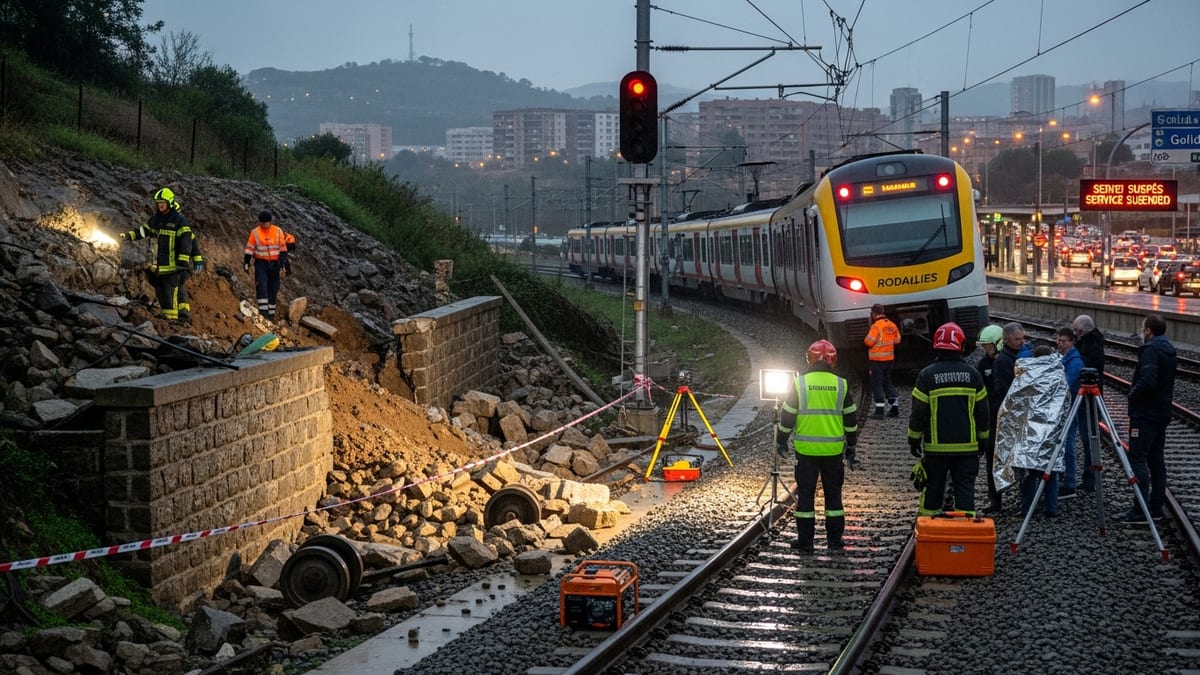
Freight train derails in busy Bucks County rail corridor
Reports indicate that a CSX freight train derailed on the afternoon of June 30, 2026, between Street Road and the Neshaminy Falls station in Bensalem Township, Bucks County. Between 13 and 16 cars from a roughly 72 car train left the tracks along a corridor that threads between suburban neighborhoods, shopping centers, and regional rail lines just north of Philadelphia.
Television images showed multiple freight cars tipped at angles or resting on their sides near the right of way, with emergency vehicles clustered along nearby access roads. Initial statements from public safety officials and the railroad indicated that several derailed cars were carrying hazardous materials, prompting an aggressive response from hazmat teams and local agencies.
Out of caution, a shelter in place advisory and targeted evacuation orders were issued for homes and businesses closest to the tracks. That decision affected a swath of Lower Bucks County residents who live or work near the Neshaminy Creek and the parallel rail and road network that links Bensalem with neighboring communities such as Feasterville Trevose and Huntingdon Valley.
By late Tuesday and into Wednesday, publicly available information showed that no hazardous material leaks had been detected and that there were no reported injuries. Cleanup crews and railroad contractors began the complex process of clearing damaged cars, inspecting track, and restoring freight operations while local leaders emphasized that the scene remained an active work zone.
Huntingdon Valley resident’s quote captures commuter frustration
Among those affected was a commuter from Huntingdon Valley who spoke with 6ABC as the incident unfolded, describing how the derailment upended a planned trip home. The resident, identified only by last name in the television segment, explained that a train home had been canceled, leaving them temporarily stranded and uncertain about when service would resume.
The brief comment, captured outside a station area and rebroadcast as part of the television report, distilled a broader experience for riders whose routines were suddenly interrupted. While freight and passenger rail typically move in parallel but separate systems, the Bucks County derailment underscored how one incident can cascade across multiple lines, timetables, and modes of travel.
The Huntingdon Valley traveler’s account, framed against live images of derailed freight cars and halted rail traffic, highlighted a sense of helplessness that many commuters feel when infrastructure problems arise. With limited real time information and few alternative options at peak hours, riders often rely on short updates, social media posts, and televised coverage to make decisions on the fly.
For viewers across the region, the quote offered a personal window into the ripple effects of an event that otherwise could have seemed distant or abstract. It emphasized that beyond the technical questions about track conditions and rail operations, there are everyday schedules, family commitments, and work obligations hanging in the balance.
Travel disruptions spread across regional rail and roads
The freight derailment prompted an immediate suspension of service on SEPTA’s West Trenton Line, which operates on tracks near the crash site. According to published coverage, passenger trains do not share the exact freight alignment involved in the incident, yet the proximity was enough to halt operations while safety checks and inspections were carried out.
For suburban commuters from Bucks and Montgomery Counties, the disruption meant canceled trains, crowded platforms, and the search for alternative routes by car, bus, or rideshare. As evening approached, regional rail riders faced delays compounded by heavy highway traffic, particularly along major arteries such as Interstate 95 and the Pennsylvania Turnpike.
The derailment also occurred in the same week that a separate SEPTA Regional Rail train derailed in North Philadelphia, an event that snarled rail service across several lines before repairs were completed. Together, the incidents raised new questions among riders about system resilience and the vulnerability of key junctions where freight and passenger rail networks intersect or run in close parallel.
Local businesses along the affected corridor reported slower foot traffic as road closures and detours redirected drivers away from typical routes near the tracks. For hotels, restaurants, and gas stations that depend on a steady stream of commuters and travelers, even a short lived service suspension can leave a noticeable mark on daily revenue.
Safety assurances, cleanup work, and lingering questions
Public statements from Bensalem Township and Bucks County emphasized that no hazardous material leaks were found and that there was no continuing threat to public safety once the initial inspections were complete. Environmental and hazmat teams monitored the derailed cars while crews moved to separate damaged rolling stock and begin track repairs.
Images from the scene on July 1 showed heavy equipment lifting and repositioning freight cars, with contractors building temporary access roads and staging areas to remove wreckage. Noise, dust, and bright work lights became a temporary part of the landscape for nearby residents who had already experienced an anxious afternoon of alerts and advisories.
Questions remain about the cause of the derailment, including whether track conditions, equipment issues, or external factors played a role. Federal and state investigators typically review data from the train, examine track and signal infrastructure, and interview personnel as part of a process that can take months before formal findings are made public.
For communities along busy freight corridors in Pennsylvania, each new incident renews debate about how hazardous materials are routed, how often tracks are inspected, and what level of transparency residents should expect regarding cargo passing close to homes, schools, and commercial centers.
Local travel lessons for residents and visitors
For travelers in and around Bucks County and neighboring Montgomery County communities such as Huntingdon Valley, the Bensalem derailment offers several practical takeaways. First, the incident shows how quickly a localized infrastructure problem can spread across a regional network, affecting not only rail passengers but also drivers and bus riders relying on interconnected schedules.
Second, the episode reinforces the value of monitoring multiple information channels when moving around the greater Philadelphia region. Rail riders who combined official service alerts with coverage from outlets such as 6ABC, regional newspapers, and local radio were better positioned to reroute or delay trips as conditions changed.
Finally, the derailment illustrates the importance of understanding the geography of key choke points, including the rail corridors near Neshaminy Falls and the major interchanges that surround them. For frequent travelers, having an alternate station, bus route, or park and ride option in mind can ease the strain when disruptions occur without warning.
For the Huntingdon Valley commuter whose brief remark on camera came to symbolize the human side of this freight accident, the experience was a reminder that behind every schedule change or cancellation there is a personal story. As cleanup continues and investigators work through the technical details, residents across Bucks and Montgomery Counties are reassessing how they navigate a rail system that remains essential to both daily life and long distance travel.