

More news on this day
Five days aboard Royal Caribbean’s Liberty of the Seas on a Europe itinerary revealed a ship that delivers high energy fun and classic Mediterranean scenery, but also exposes the trade offs of sailing an older, midpriced megaship in a market now full of newer icons.
Get the latest news straight to your inbox!
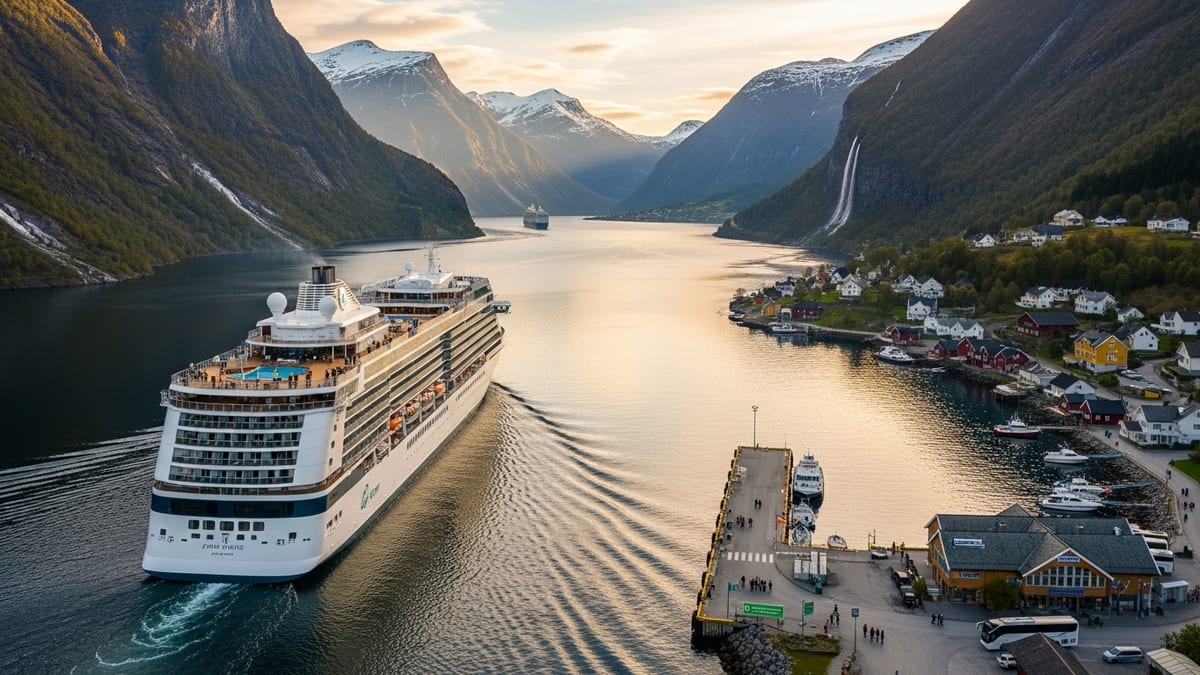
A Europe Itinerary Long on Sights, Short on Time
Liberty of the Seas has been deployed on European routes in recent years, including summer sailings from Southampton that reach ports in Spain, Portugal and Northern Europe. On a five day itinerary, the appeal is clear: a relatively short holiday that still covers multiple countries, with iconic city calls compressed into a single working week.
For many travelers, that format is a major plus. Days start with sunrise over historic harbors and end with late night sailaways past medieval forts and modern container terminals. The ship functions as a floating hotel that eliminates constant packing and unpacking, while still delivering a new skyline nearly every morning.
The drawback becomes obvious as soon as the first port day arrives. Time in port can feel tight once disembarkation, transport into the city and security queues are factored in. A single afternoon in a marquee destination such as Lisbon, Barcelona or Bruges offers only enough time to choose one neighborhood or landmark, not an in depth tour.
Travelers who enjoy a “tasting menu” of destinations are likely to see this as a reasonable trade. Those who prefer to linger in one city may find five ports in five days more exhausting than relaxing, particularly when combined with late night onboard entertainment and early morning excursions.
Cabins That Work, But Show Their Age
Built in the mid 2000s, Liberty of the Seas belongs to Royal Caribbean’s Freedom class, which predated the current era of ultra large, resort style ships. Publicly available deck plans show a wide spread of interior, ocean view and balcony cabins, plus a limited number of suites and promenade view rooms facing the interior shopping street.
In standard balcony cabins, storage capacity is a clear positive. A mix of closets, shelves and drawers allows a couple to fully unpack for a five day voyage, keeping the small floor area relatively uncluttered. The balconies themselves, while not oversized, provide enough space for two chairs and a table, turning sailaways and early mornings into private viewing sessions.
Where the age of the ship becomes apparent is in finishes and design. Fixtures and color palettes reflect an earlier cruise era, and bathrooms, while functional, feel compact compared with newer Royal Caribbean vessels aimed at the same market. Noise carryover from corridors or adjacent cabins can also be noticeable on busier nights, especially on decks close to entertainment venues.
For travelers focused on value, the trade off is acceptable: fares on Liberty tend to undercut the newest ships in the fleet on similar routes. Those seeking a more contemporary aesthetic and expanded cabin space may find the hardware a step behind what the rest of the brand now offers in Europe.
Onboard Fun: Water Slides, Crowds and Quiet Corners
A major advantage of Liberty of the Seas is the breadth of activities for a ship that is no longer the newest in the fleet. The top deck includes a FlowRider surf simulator, multiple pools, cantilevered whirlpools and water slides, features that helped define Royal Caribbean’s emphasis on active, resort style cruising when the vessel debuted.
On sea days, that concentration of attractions delivers much of what repeat guests say they love. Families can rotate between splash zones, mini golf and the sports court, while adults retreat to the Solarium, an adults only pool area positioned high above the bow for quieter lounging and sea views. Evening events in the Royal Promenade, the central interior thoroughfare, frequently turn the space into a festival of music, themed parties and parades.
The flipside is crowding. On a five day European sailing during peak season, pool chairs are heavily in demand by midmorning, and queues form quickly for headline features such as the FlowRider or water slides. Elevators become congested around show times, and popular bars near the promenade can be standing room only.
Passengers willing to explore the ship, however, often find relief. Outer walking decks, unused conference rooms and smaller lounges provide quieter alternatives to the main flow of traffic. For some travelers, the constant energy is part of the charm; for others, it underscores how closely Liberty’s passenger capacity pushes against the limits of its public spaces.
Food, Service and the Real Cost of Extras
Main dining room meals and the Windjammer buffet remain the backbone of the onboard food experience. Menus lean toward broadly familiar international dishes, with added regional touches on European sailings such as Spanish style tapas or Italian pastas on select nights. For many guests, the variety and portion sizes are a highlight, particularly when compared with land based package holidays.
Specialty restaurants, from steakhouse concepts to Italian trattoria style venues, are widely promoted during the first days of the cruise. These paid options can deliver upgraded ingredients and a quieter atmosphere, but they also illustrate a broader shift in cruising, where more desirable dining slots and venues come at a premium. Travelers who stick to inclusive options may feel pressured by upcharges that add significantly to the initial fare.
Service feedback on Liberty of the Seas in recent seasons has ranged from enthusiastic praise for individual cabin attendants and dining staff to frustration over bar queues and guest services wait times. The difference often appears tied to staffing levels on busy sailings and the size of the passenger manifest, which can strain frontline teams during peak hours.
Budget conscious travelers will also notice how quickly onboard spending can climb. Beverage packages, specialty coffees, shore excursions and internet access all contribute to the final bill. Over a five day itinerary in Europe, the headline fare can be only part of the total cost once these elements are factored in, a reality that rewards guests who plan ahead and monitor their onboard account regularly.
Entertainment, Technology and Who Liberty Best Suits
Liberty of the Seas offers a traditional cruise entertainment mix, with Broadway style productions in the main theater, ice shows in the onboard rink and live music spread across lounges and bars. For many passengers, these performances rank among the highlights of the voyage, particularly the ice shows, which regularly receive strong reactions in public reviews and travel coverage.
In other areas, the ship’s age shows in its technology footprint. While Royal Caribbean has rolled out app based services, including digital check in, onboard planning tools and reservation systems, connectivity can still be uneven in parts of the vessel, and some processes revert to older queuing systems when demand peaks. Travelers used to the fully digital ecosystems on the newest ships may find the experience less seamless here.
Overall, five days on Liberty of the Seas in Europe reveal a ship that balances big ticket attractions and classic cruise comforts with the limitations of older hardware and a revenue model increasingly reliant on extras. Families and first time cruisers who prioritize activity options and a packed itinerary are likely to overlook dated decor and occasional bottlenecks in favor of value.
Travelers seeking quieter luxury, cutting edge technology and extended time in port may view Liberty as an introduction to Royal Caribbean’s style rather than an endpoint. For them, the experience highlights both what the brand does well and what its newest, higher priced European deployments are designed to improve.