


More news on this day
HX Expeditions is reporting its strongest Antarctic season on record, combining rapid sales growth, expanded adventure offerings, and a sharpened sustainability focus that is reshaping expectations for travel at the planet’s southernmost edge.
Get the latest news straight to your inbox!
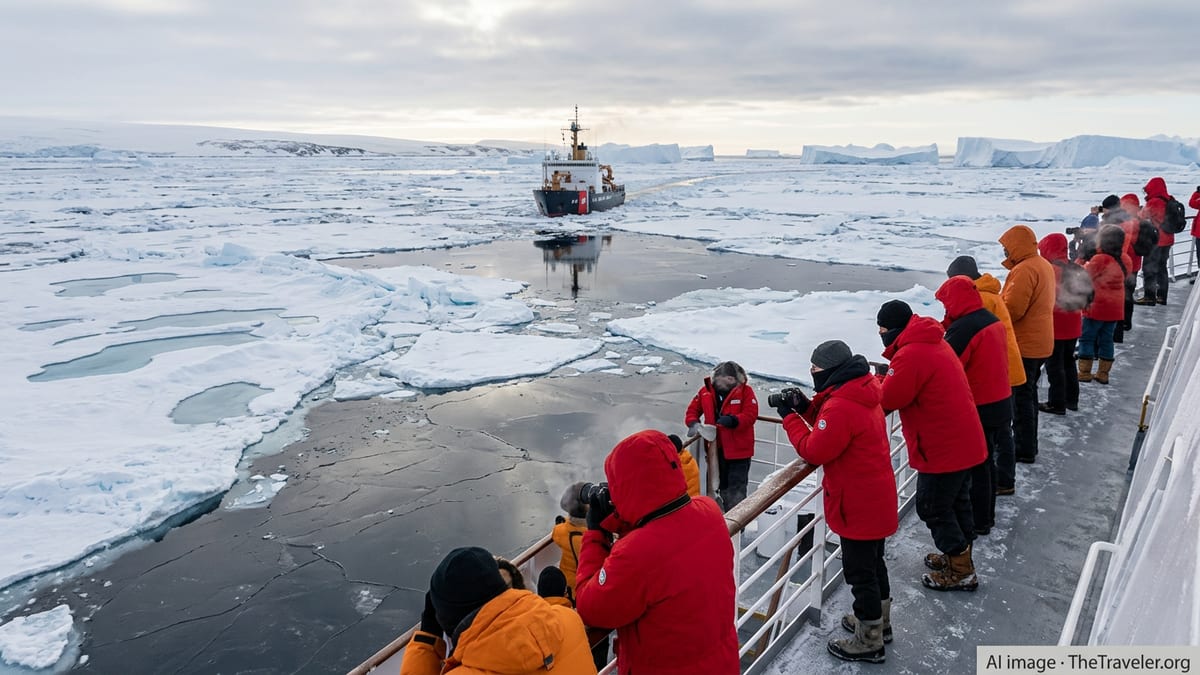
Record Growth in a Booming Polar Market
Publicly available data on HX Expeditions’ most recent Antarctica season indicate that the company has completed its most successful campaign yet between October 2025 and March 2026, with higher passenger numbers and stronger booking trends across key markets. Industry coverage notes that overall expedition cruising continues to expand, but HX’s performance stands out for particularly robust demand on polar itineraries.
Reports focused on the United States market highlight a 31 percent surge in HX’s US sales in 2025, the line’s first full year operating as an independent brand. That jump is being linked to increased interest in high‑end adventure travel and a shift toward smaller, more immersive expedition cruises, particularly to Antarctica and Greenland.
Corporate disclosures suggest that investment following the separation from its former parent group has helped fund this acceleration. Fresh capital has been directed into fleet upgrades, sales channels, and guest experience enhancements, positioning HX as one of the most visible players in the contemporary Antarctic cruise segment.
Against a backdrop of rising global concern about crowding in sensitive polar regions, HX’s growth figures underline the continuing appetite for once‑in‑a‑lifetime voyages to the White Continent. The challenge now, as framed by company reports and sector observers, is how to manage that growth while limiting environmental impact.
Unbeatable Lineup of Antarctic Activities
Recent season summaries describe a marked expansion in what guests can actually do once they reach Antarctica with HX. Information released this week points to a substantial increase in kayaking capacity and a doubling of camping places on the ice compared with the previous year, all operated within the rules set by the International Association of Antarctica Tour Operators.
These additions sit alongside HX’s established menu of daily Zodiac landings, guided hikes, wildlife viewing, and ship‑based lectures delivered by expedition teams. Small‑group operations and staggered shore rotations are designed to keep visitor numbers low at any given landing site while still allowing as many guests as possible to step ashore and explore.
Season overviews indicate that demand for premium and suite accommodation has risen in parallel with enthusiasm for more active options. Higher suite bookings in the latest Antarctic program suggest that travelers are willing to pay more for both comfort and access to headline experiences such as overnight camping, extended kayak excursions, and photography‑focused outings.
HX’s activity set is increasingly framed as a differentiator in a crowded field of polar operators. By emphasizing time off the ship rather than only scenic cruising, the company is positioning itself toward travelers who prioritize active exploration and close engagement with the Antarctic environment.
Fleet Evolution and Independent Brand Strategy
The Antarctic growth story is unfolding alongside a broader strategic shift for HX Expeditions. Following a multi‑year rebranding process that began under the Hurtigruten umbrella, the expedition division completed its split and now operates as a stand‑alone company focused solely on adventure cruising.
In early 2025, HX unveiled new fleet livery in indigo blue and sand tones, a visual marker of its independent identity and renewed emphasis on science‑led exploration and sustainability. Parallel investment announcements referenced millions of dollars earmarked for modernizing key expedition vessels, including upgrades to guest spaces and technical systems tailored for polar operations.
The fleet itself remains at the technological forefront of green expedition cruising, with hybrid‑powered ships such as MS Roald Amundsen and its sister vessel continuing to operate Antarctic routes. These ships, built with advanced hull designs and energy‑efficient systems, are promoted as part of HX’s effort to reduce fuel consumption while maintaining the range and capability required for deep‑field voyages.
Marketing materials and partner communications frame Antarctica as the flagship product within a global portfolio that also includes Svalbard, Greenland, the Northwest Passage, and selected warmer‑water expeditions. The brand’s independent positioning allows it to focus messaging and product development around expedition travel rather than traditional cruising.
Sustainability Practices Under Intensified Scrutiny
HX’s rapid expansion in Antarctica is unfolding in an era of heightened concern over the environmental footprint of polar tourism. In response, the company has moved to foreground its sustainability work, notably by releasing a dedicated environmental, social, and governance report under the title “Navigating for a Greener Future,” outlining emissions data, scientific partnerships, and community initiatives.
Across recent Antarctic seasons, HX has highlighted measures such as strict adherence to IAATO visitor limits, small‑group landings, biosecurity routines, and continuous monitoring of wildlife disturbance. The latest season report also cites the “Green Stay” program, which rewards guests who opt for reduced cabin servicing and towel changes, and notes more than 27,000 participation nights recorded under this initiative.
Financial contributions to environmental and social projects are another pillar of the company’s approach. Onboard fundraising during the most recent Antarctic season reportedly generated in excess of six‑figure sums in euros, directed toward conservation, climate research, and community organizations connected with the regions the ships visit.
HX 또한 underscores its long‑running collaboration with scientific bodies, facilitating research activities on board and at landing sites. Partnerships with polar research institutes are presented as a way to leverage tourism infrastructure for data collection, from marine biology to glaciology, adding a scientific dimension to many passenger voyages.
Balancing Antarctic Demand With Responsible Travel
While HX Expeditions is celebrating record Antarctic performance, wider industry debate is increasingly focused on how much tourism the continent can realistically absorb. Conservation groups and polar researchers have raised concerns over growing visitor numbers, the risk of invasive species, and the cumulative impact of ship traffic and shore landings.
Against this backdrop, HX’s messaging positions the company as a supporter of stricter standards rather than rapid, unmanaged expansion. The operator points to its compliance with IAATO guidelines, use of smaller expedition ships, and emphasis on education and citizen science as evidence that growth can be compatible with environmental responsibility when carefully managed.
Travel analysts note that demand for Antarctica is unlikely to fade in the near term, particularly among US travelers who increasingly see polar voyages as a key item on their travel wish lists. Lines such as HX are therefore under pressure to innovate not just in activities and comfort, but in how they account for, mitigate, and disclose their ecological impact.
For now, HX’s record season, expanded activity lineup, and detailed sustainability reporting signal that the brand intends to sit at the forefront of that debate. How effectively the company balances continued growth in Antarctica with the strictest possible environmental safeguards will help shape not only its own reputation, but the broader future of expedition cruising at the end of the world.