


More news on this day
HX Expeditions has declared its October 2025 to March 2026 Antarctic program its most successful season on record, capping years of investment in low-impact polar cruising, adventure activities and science-focused experiences in the far south.
Get the latest news straight to your inbox!
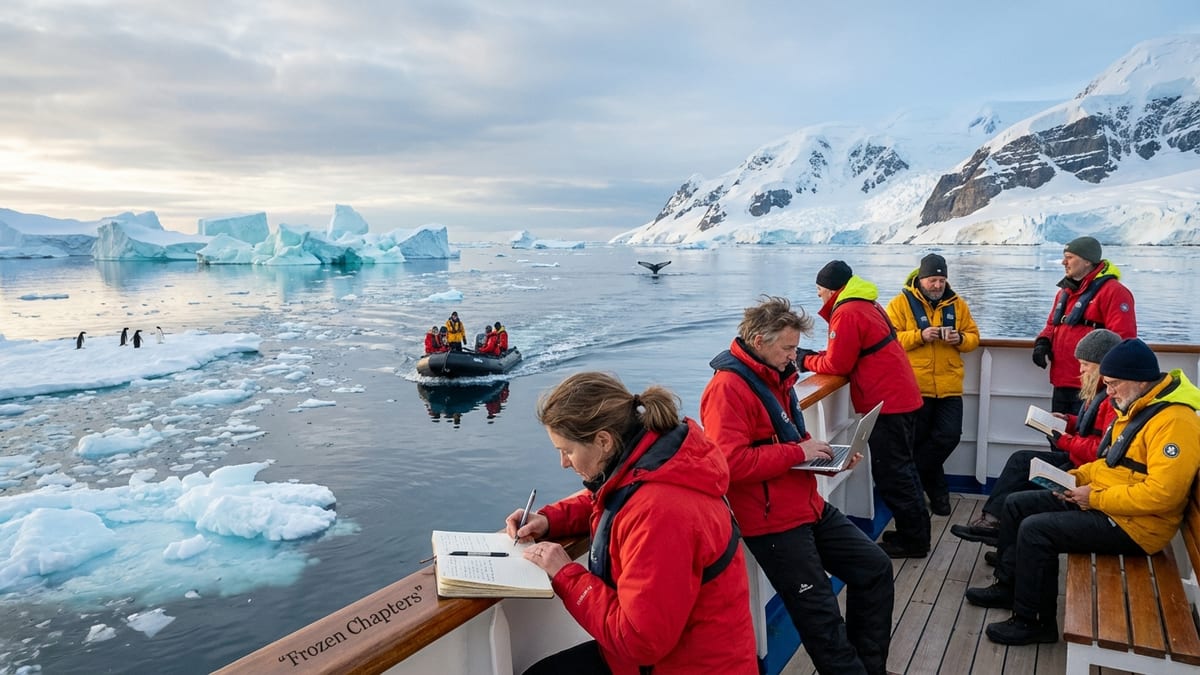
Record Numbers Define a Landmark Antarctic Season
Publicly available information shows that HX Expeditions operated its largest-ever Antarctic program across the 2025–26 austral summer, with a higher volume of sailings and guests than in any previous season for the line. Reports indicate that operations stretched from early October 2025 through late March 2026, aligning with the main window for expedition cruising on the White Continent and surrounding sub-Antarctic islands.
Cruise industry coverage notes that the company completed dozens of voyages during this period, collectively bringing thousands of travelers to Antarctica. The season built on the brand’s established focus on small-ship expedition cruising, emphasizing frequent landings, Zodiac excursions and wildlife viewing in areas such as the Antarctic Peninsula and the Weddell Sea.
The record performance for 2025–26 follows several years of itinerary expansion and fleet investment after the rebranding of Hurtigruten Expeditions to HX. Industry summaries highlight Antarctica as one of the core pillars of the company’s global program alongside Greenland, Svalbard and other polar regions.
Analysts tracking the expedition cruise segment describe HX’s 2025–26 results as a marker of growing demand for immersive polar travel, as well as a sign that the line’s strategy of combining science, sustainability initiatives and soft adventure is resonating with travelers seeking remote destinations.
Largest Kayaking and Camping Program Raises the Adventure Bar
A key factor in the standout 2025–26 season has been the scaling up of HX’s adventure offerings, in particular what published reports describe as the largest and most diverse kayaking and camping program in Antarctica. Coverage in travel and consumer media notes that the line expanded both capacity and equipment to meet strong demand for these activities.
The company introduced additional kayak options, including guided sea kayaks and self-guided inflatable craft, giving guests more flexibility in how they explore ice-filled bays and coastal landscapes. At the same time, camping capacity was increased so that more travelers could spend a night ashore in bivvy-style setups designed for minimal environmental impact.
Industry analysis indicates that these upgrades were phased in ahead of and during the 2025–26 season, with the program marketed as a standout feature of HX’s Antarctic offering. The scale of the kayaking and camping operation is being positioned by the brand as a differentiator in a competitive expedition market, particularly for travelers seeking active experiences beyond standard Zodiac cruising.
Travel trade reports add that strong take-up of these optional adventures contributed to higher levels of guest satisfaction and revenue, reinforcing HX’s decision to devote significant deck space and logistics planning to equipment storage, staff training and safety systems for the expanded program.
Science, Citizen Research and Sustainability at the Core
Alongside adventure-focused activities, HX continued to foreground science engagement and environmental stewardship during its record 2025–26 Antarctic season. According to published coverage, the line has developed a network of partnerships with universities, research platforms and conservation organizations that enable data collection and citizen science on board.
Passengers on selected voyages were able to participate in activities such as wildlife observation, plankton sampling or cloud and sea-ice logging, contributing to ongoing projects that monitor climate and ecosystem change in polar regions. These initiatives reflect a wider trend across the expedition sector, but analysts note that HX has been particularly vocal about embedding science into its core product.
The company’s ships operating in Antarctica, including hybrid-powered vessels, continue to be highlighted for features aimed at reducing fuel consumption and local emissions. Industry reporting points to the use of battery-assisted propulsion, improved hull designs and waste-handling systems as part of the platform for the 2025–26 season.
Observers of the polar cruise market suggest that this mix of scientific engagement and technology-focused sustainability messaging has helped HX appeal to travelers who are increasingly sensitive to the environmental footprint of long-haul adventure travel, especially in fragile destinations such as Antarctica.
Itinerary Overhaul and Fleet Strategy Pay Off
The record-setting 2025–26 season also reflects a multi-year overhaul of HX’s global itineraries and deployment strategy. Earlier announcements outlined a network of more than 80 itineraries worldwide for 2025–26, with Antarctica occupying a central role alongside other expedition regions from Alaska to the Northwest Passage.
For the Antarctic program specifically, trade publications report that HX focused on a mix of classic peninsula sailings and longer expeditions that reach the Antarctic Circle or combine the continent with South Georgia and the Falkland Islands. This blend of shorter and extended itineraries is designed to cater to both first-time visitors and repeat guests seeking more remote or wildlife-rich regions.
The 2025–26 season also coincided with the continued maturation of HX as a standalone expedition brand following its separation from the coastal Hurtigruten operation. Market commentary notes that this strategic shift has allowed the company to sharpen its positioning around expedition cruising, with dedicated marketing, product development and partnerships tailored to adventure travel agencies and specialist distribution channels.
Fleet developments, including the deployment of modern, ice-class vessels with enhanced stability and comfort, further supported the scale of the 2025–26 season. Industry trackers point out that newer expedition ships are enabling operators such as HX to offer longer seasons, more challenging routes and a broader suite of onboard facilities than earlier generations of polar-capable tonnage.
Antarctic Demand Signals a Robust Future for Polar Travel
The strong performance of HX’s 2025–26 Antarctic program is being viewed by analysts as part of a broader surge in demand for high-end expedition cruising, particularly to the polar regions. Despite higher price points and complex logistics, Antarctica continues to attract travelers seeking once-in-a-lifetime experiences that combine remote scenery, wildlife encounters and educational content.
Travel advisors and specialist agencies report sustained interest in voyages that allow guests to step ashore frequently, participate in guided activities and interact with expedition teams specializing in fields such as glaciology, ornithology and marine biology. HX’s expanded offerings during 2025–26 positioned the brand to capture a significant share of this demand.
At the same time, the growth of Antarctic tourism is accompanied by heightened scrutiny from regulators, scientists and environmental groups. Coverage of the sector emphasizes ongoing debates about visitor numbers, biosecurity controls and the cumulative impact of ship traffic in sensitive areas. HX, like other members of the expedition community, is expected to navigate evolving guidelines while maintaining commercial momentum.
Looking ahead, signals from HX’s upcoming seasons suggest that the company intends to build on its record 2025–26 performance with further refinements to itineraries, adventure programs and science partnerships. For travelers considering a polar voyage, the latest Antarctic season underscores how quickly the expedition cruise product is evolving, and how central Antarctica has become to the ambitions of major players in this niche but fast-growing segment of global travel.